Campervan Part Conversions Specialists
The UK's most comprehensive directory of campervan part conversions specialists. 276 verified companies, independently rated and reviewed.

Added byJoe Tannorella··
Reviewed and verified for accuracy
Find Your Perfect Converter
No obligation • Compare multiple quotes
Best Campervan Part Conversions Specialists
Ranked by verified Google ratings and customer reviews. We track 276 companies offering campervan part conversions across the UK — here are the highest rated.
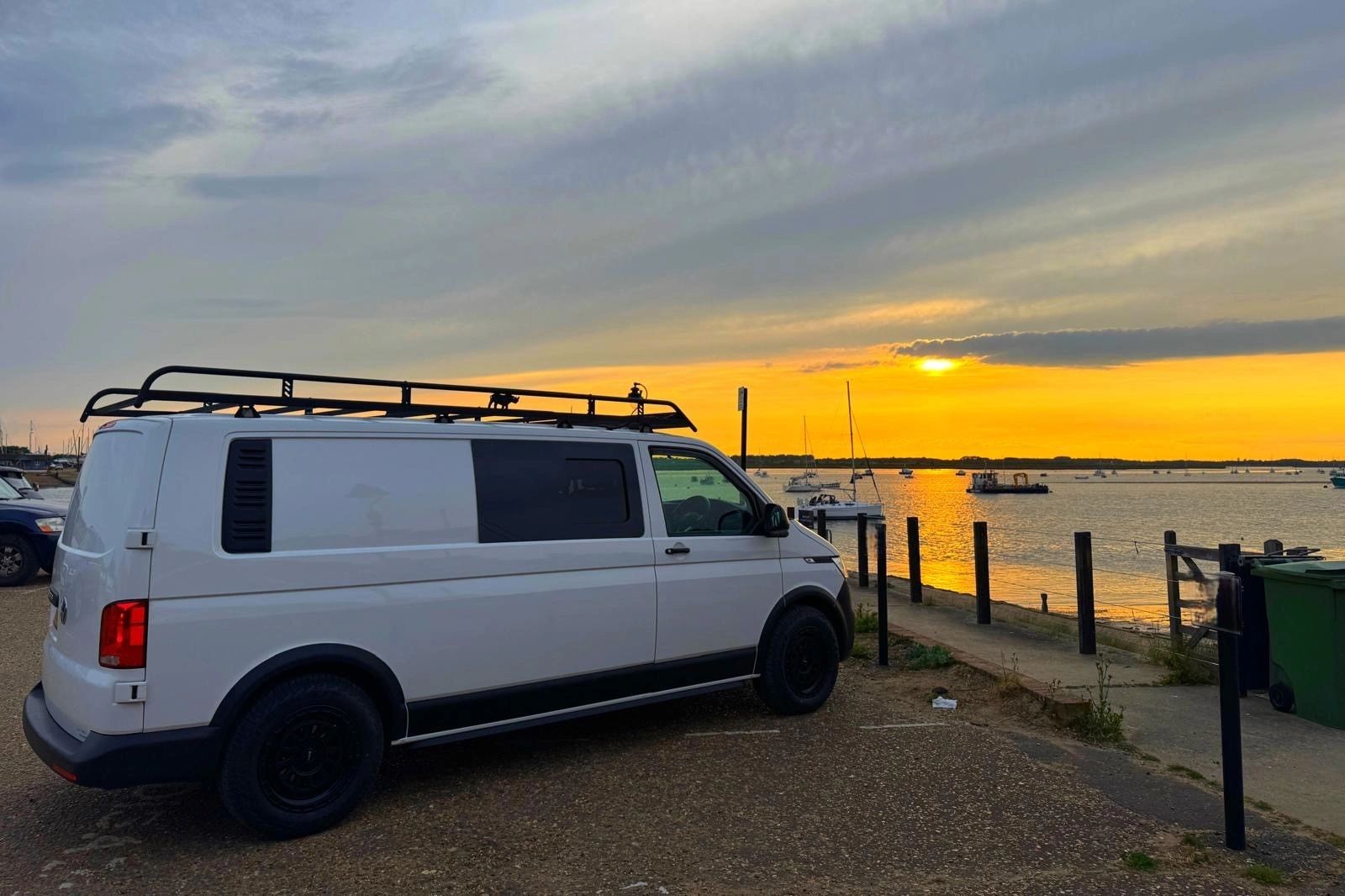

Bijoux Campers
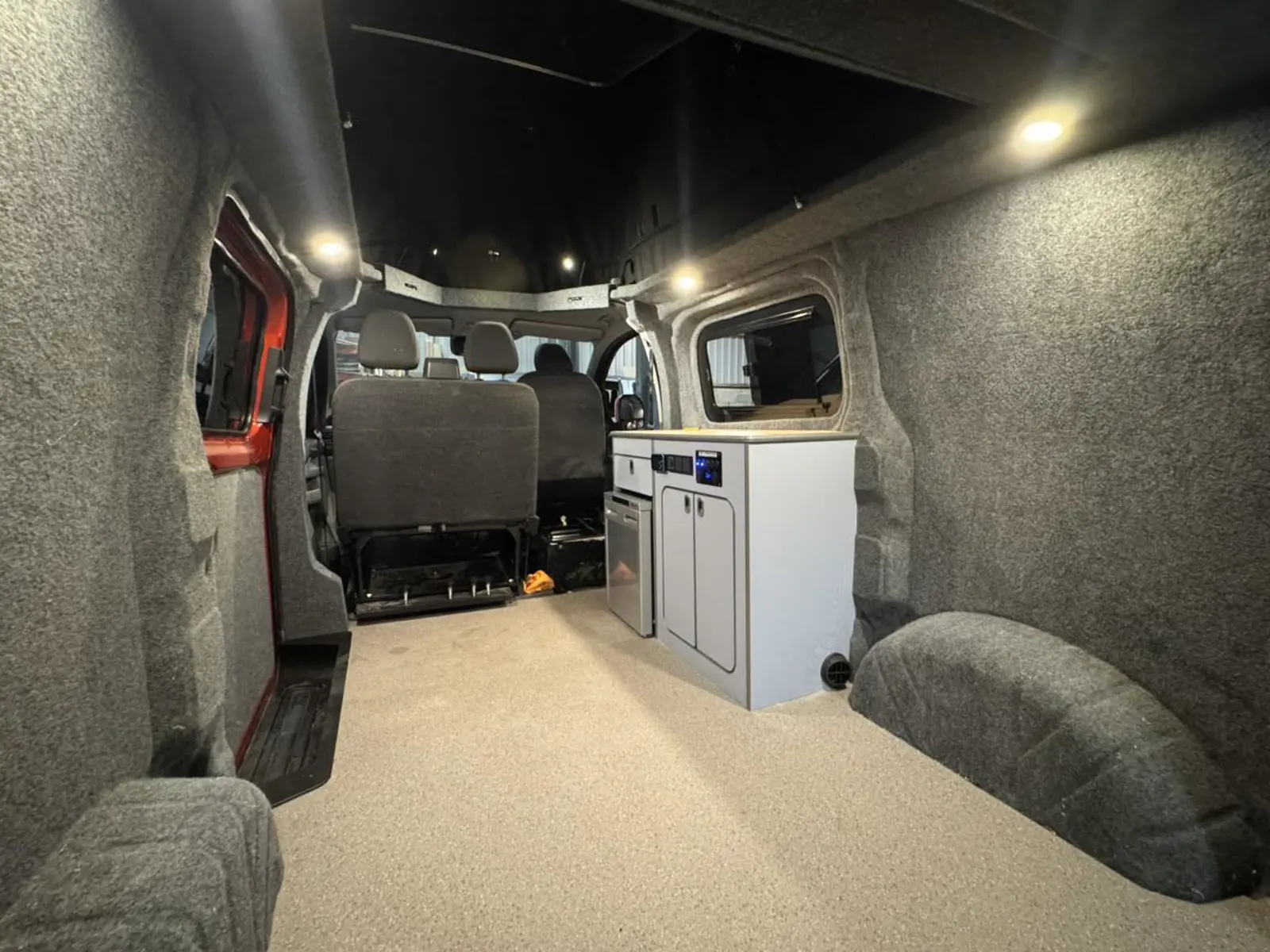
AB Campers


Advanced Auto Conversions Ltd

Albatross Conversions

Alpha Rapid Repair
Ample Van Solutions

AV Camper Conversions

BB Vans
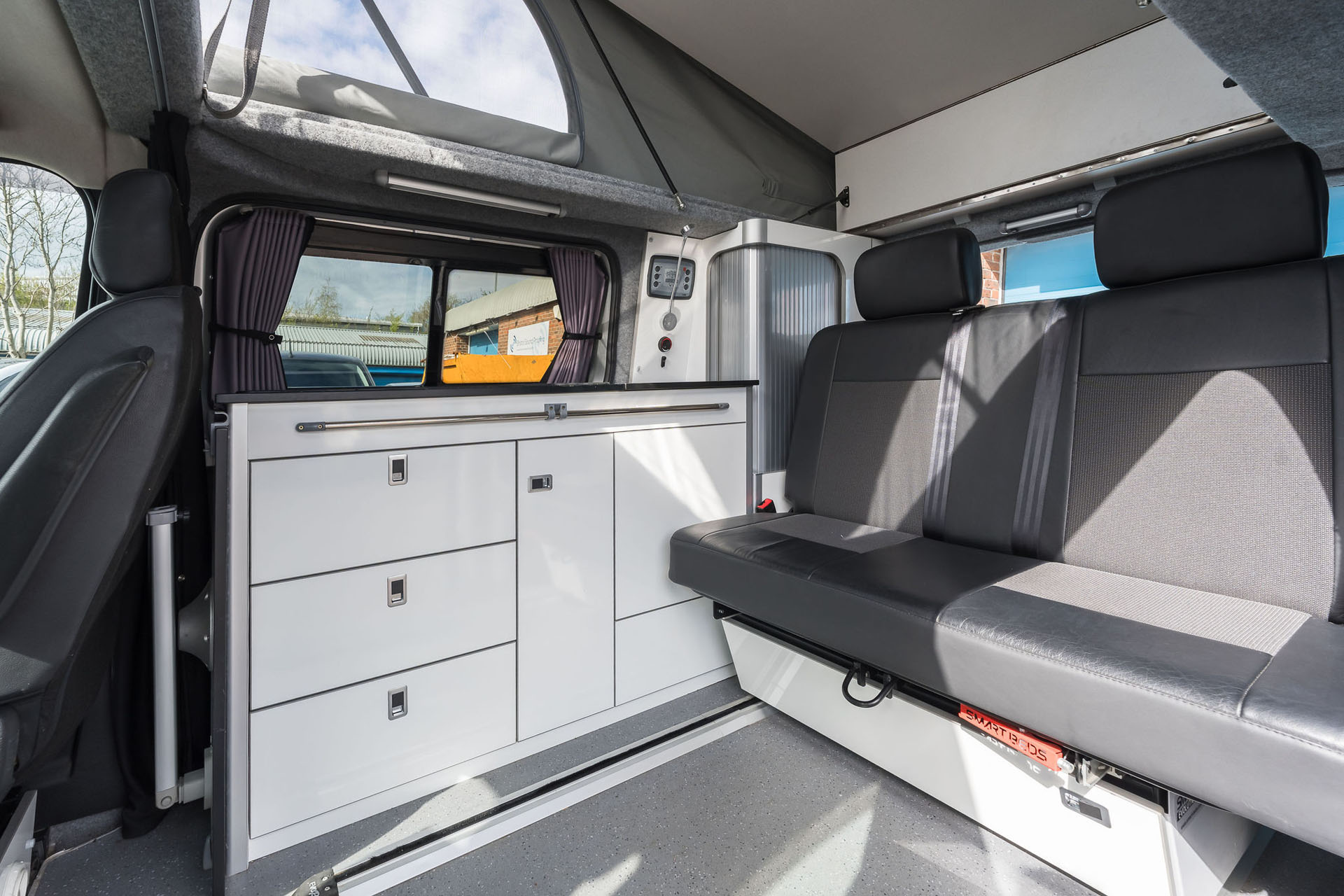
Bespoke Campers

Big Blue Camper Co.

Blackline Adventure
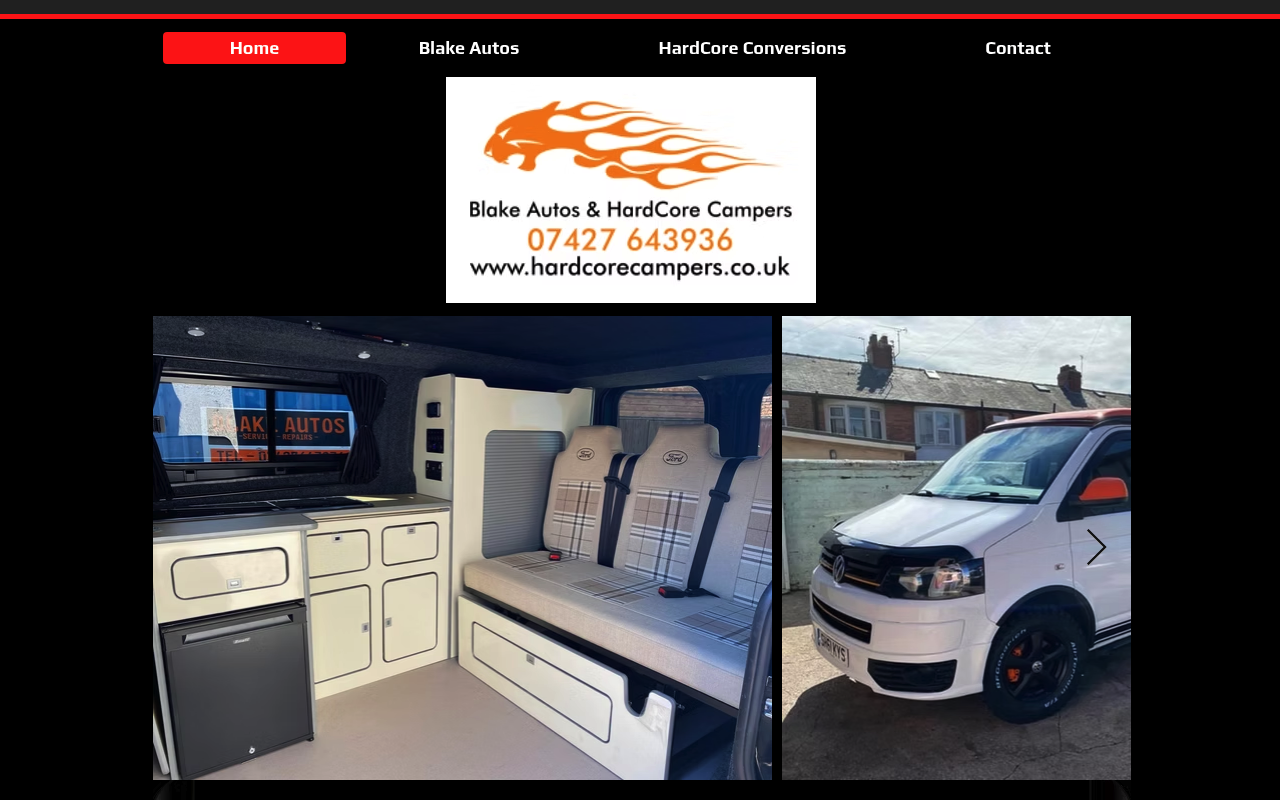

Blake Autos HardCore Campers
Key Facts About Campervan Part Conversions
- ✓ This service tackles specific, complex jobs like fitting electrics, pop-top roofs, or cutting windows for self-builders.
- ✓ A professional 12V electrical system costs £1,500–£4,000 fitted, including solar, leisure batteries, and an inverter.
- ✓ Fitting two side windows and a roof fan typically requires one to two days of professional workshop time.
- ✓ Professionals ensure gas and electrical work is certified compliant, a crucial step many DIY builders cannot complete alone.
- ✓ Common part conversions include installing diesel heaters, underslung water tanks, or complex off-grid plumbing systems.
- ✓ Outsourcing high-risk jobs de-risks a self-build, ensuring structural integrity and safety compliance for key systems.
Why Choose Professional Campervan Part Conversions?
Tackling a complex part-conversion yourself seems like a great way to save money. But a single mistake can be incredibly costly. A botched window cut can ruin an entire side panel, while incorrect 12V wiring poses a genuine fire risk. Professionals eliminate this gamble. They use specialized jigs and industrial-grade sealants for a guaranteed, leak-proof window fitting that takes hours, not days. For electrical systems, they have the diagnostic tools and experience to build safe, efficient circuits with proper fusing and wire gauges. This means a job like installing a pop-top roof, which could take a DIYer weeks of stressful work, is completed in one to three days with a warranty on the craftsmanship.
When vetting a specialist, move beyond generic questions. Instead of asking if they handle electrics, ask to see photos of their wiring looms and how they secure them. A good builder will have a portfolio showing neat, labelled, and well-managed systems. Ask what specific components they use and why they prefer them over alternatives. A major red flag is a vague quote that doesn't itemize major parts and labour costs. Another is a refusal to provide references or show you a similar build in progress. For most Transit-based builds, a full off-grid electrical system can range from £2,000 to £7,000 fitted, so clarity on where that money goes is non-negotiable.
Finding these trusted experts is the primary challenge. The search is simplified by using a curated platform that connects van builders with proven conversion specialists. CamperBrain provides a directory of companies with verified reviews, detailed service lists, and photo galleries of their work. This allows you to directly compare experts who focus on your specific need, whether it's fabricating a custom bed or installing a full diesel heating system. As a result, you can confidently commission a specific part of your build, knowing the specialist has the track record and skills to execute it perfectly the first time.
Find Campervan Part Conversions Specialists by Location
North West England
Yorkshire and the Humber
West Midlands
South East England
East Midlands
Frequently Asked Questions
What exactly is a campervan part conversion service?
How much does a part conversion for a campervan cost?
How long does a campervan part conversion usually take?
Should I attempt part conversions myself or hire a professional?
What kinds of vans are suitable for part conversion services?
What are the main benefits of using a part conversion service?
How do I find the right part conversion specialist for my van?
What should I look for in a quality part conversion provider?
Related Articles

Off-Season Campervan Conversion
Our proprietary data reveals that average lead times for UK converters can be significantly shorter in the autumn/winter months, and some even offer incentives. We've analysed 675+ converter schedules to show you when to buy, helping you find your dream conversion on CamperBrain.

Choosing Your Canvas: Best Vans for Campervan Conversion
Drawing on data from hundreds of UK converters, CamperBrain reveals which base vans are most popular for professional conversions, their typical conversion costs, and how your choice impacts finding the perfect builder. This guide helps you compare options and align your vision with practical realities.
Related Services
Expert Insights
"Focus on outsourcing the 'big three' risk areas. This means the pop-top roof, window cut-outs, and the 12V electrical system, which are jobs that directly impact structural integrity and safety."
"Never compromise on heating and ventilation. A professionally installed diesel heater, typically costing £900–£1,600, is a small price to pay to completely eliminate the carbon monoxide and fire risks of a botched install."
"In practice, a part conversion is a time machine for your build. A professional can install a full electrical system in two days, a task that often takes a DIY builder two full weekends to complete safely."
"Proper certification for gas and 240V electrics is non-negotiable for resale. As a result, outsourcing these critical systems to a qualified technician can add £1,000–£3,000 to your vehicle's final valuation."
Ready to Get Started with Campervan Part Conversions?
Get free, no-obligation quotes from verified specialists. Compare prices and reviews to find the perfect match for your project.
Get Free Quotes