Campervan Electrical Systems Specialists
The UK's most comprehensive directory of campervan electrical systems specialists. 395 verified companies, independently rated and reviewed.

Added byJoe Tannorella··
Reviewed and verified for accuracy
Find Your Perfect Converter
No obligation • Compare multiple quotes
Best Campervan Electrical Systems Specialists
Ranked by verified Google ratings and customer reviews. We track 395 companies offering campervan electrical systems across the UK — here are the highest rated.

Bijoux Campers
AB Campers


Aberdeenshire Campers


Advanced Auto Conversions Ltd


Albatross Conversions

Ample Van Solutions


Atlas Sporthomes ltd
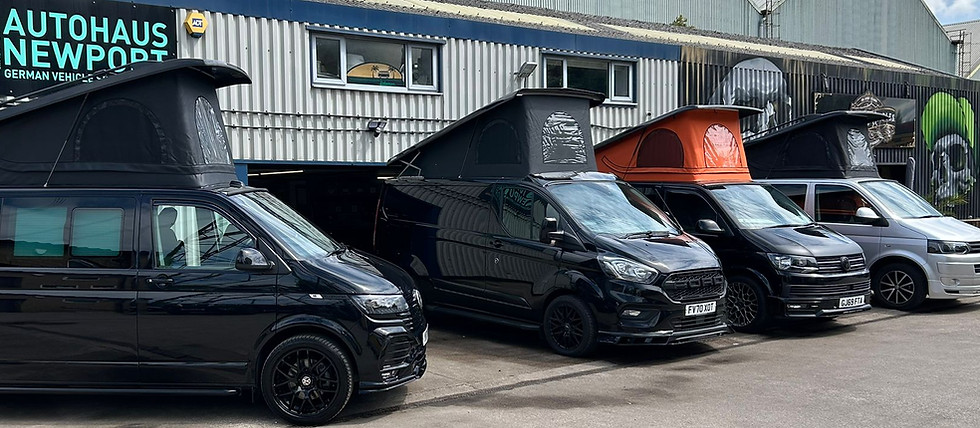
Autohaus Newport Campervan Conversions

Base Campers
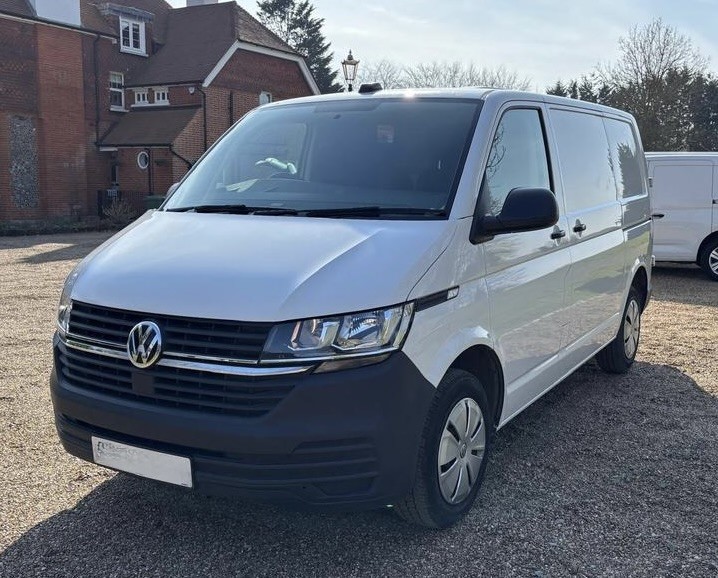

Bath VW Campers

BB Vans

Bearwood Campers
Key Facts About Campervan Electrical Systems
- ✓ A full electrical installation includes the leisure battery, split charge relay, fuse box, and all wiring for lights and sockets.
- ✓ Expect to pay £1,500–£4,000 for a professionally fitted system with solar, the final price depending on battery chemistry and panel size.
- ✓ A complete installation typically takes two to four days, as complex wiring must be carefully routed before interior panels are fitted.
- ✓ Professionals issue electrical safety certificates for their work, a critical step for securing proper insurance that DIY builds often miss.
- ✓ Common options range from simple split-charge setups to advanced systems with solar, powerful lithium batteries, and 240V inverters.
- ✓ A properly specified system is non-negotiable; it prevents dangerous overloads and keeps essentials like fridges and heaters running reliably.
Why Choose Professional Campervan Electrical Systems?
DIY wiring is the single biggest fire risk in a conversion. A professional installation provides safety and reliability you simply can't get from an online tutorial. Specialists calculate correct wire gauges, fuse ratings, and component placement to prevent overheating and short circuits. This means your leisure battery charges correctly without ever draining your starter, and your inverter powers your devices without intermittent faults. In practice, a professionally installed system is fully tested, often certified, and won't leave you stranded with a dead battery. It’s the foundational system that makes everything else in your build work, from the fridge to the lights.
When vetting an installer, ask to see their electrical-specific portfolio and inquire about their qualifications for both 12V and 240V systems. A true specialist will confidently discuss component choices, explaining why they prefer certain brands of solar panels and controllers or battery-to-battery chargers over cheaper alternatives. Red flags include vague answers about safety sign-offs or an unwillingness to provide a detailed wiring diagram upon completion. For most panel van builds, a full off-grid system takes two to four days and costs between £2,500 and £7,000, depending heavily on battery chemistry and inverter size. Be wary of quotes significantly below this, as they often indicate corners are being cut on wire quality or essential safety devices.
Finding a qualified expert can be a challenge. CamperBrain simplifies the process by connecting builders with vetted electrical specialists who have verified reviews and detailed public portfolios. You can directly compare installers based on the complexity of their previous work, ensuring you find someone experienced with your specific needs, whether for a complex off-grid setup or a simple weekend power system. Using the platform allows you to send your power requirements to multiple rated professionals at once. As a result, you receive detailed, comparable quotes from trusted companies, saving you the guesswork of cold-calling and ensuring your build is powered safely from the start.
Find Campervan Electrical Systems Specialists by Location
North West England
Yorkshire and the Humber
West Midlands
South East England
East Midlands
Frequently Asked Questions
What does a campervan electrical system service include?
How much does a campervan electrical system cost?
How long does a full electrical installation take?
Can I install my own campervan electrical system?
What vans is a professional electrical system suitable for?
What are the benefits of a professional electrical installation?
How do I find a good campervan electrical specialist?
What should I look for in a quality electrical provider?
Related Services
Expert Insights
"A professional 12V and 240V installation with a quality consumer unit will cost £1,200–£3,000; skimping here often leads to unreliable power and serious safety hazards down the road."
"For most builders, lithium-ion is now the standard. Although AGM batteries are cheaper upfront, a single LiFePO4 battery delivers double the usable power and can last up to ten years."
"Always over-spec your wiring from the start. In practice, running a few extra fused circuits for future upgrades costs very little compared to stripping the van's interior panels later on."
"A professional sign-off is non-negotiable for safety. This means every 12V circuit is individually fused and the 240V system uses a proper RCD consumer unit, protecting both you and your investment."
Ready to Get Started with Campervan Electrical Systems?
Get free, no-obligation quotes from verified specialists. Compare prices and reviews to find the perfect match for your project.
Get Free Quotes