


Your Ultimate Guide to Portable BBQs for Campervan Life
Right, listen up, fellow road-trippers and van-lifers! If you're anything like me, the call of the open road isn't just about the journey; it's about the destination and, crucially, what you're cooking when you get there. There's something uniquely satisfying about pulling up to a stunning view, popping the kettle on, and then firing up a proper BBQ. It’s a core part of the campervan experience, an essential bit of kit that brings the comforts of home cooking right into the heart of nature.
I've built a few vans in my time, and kitted out countless more, and one piece of gear always sparks debate and excitement: the portable BBQ. Forget soggy sandwiches or endless tins of beans. We're talking sizzling sausages, perfectly charred halloumi, or a proper steak with a view. But choosing the right one for your setup isn't as simple as grabbing the first one you see in the local Argos. You need something that fits your space, your cooking style, and your budget, without compromising on that essential outdoor flavour.
This guide cuts through the noise. We'll explore the different types of portable BBQs, what features truly matter for life on the road, and I’ll give you my honest take on some popular models, including their real-world performance for us UK campervan owners. By the end of this, you’ll know exactly which portable BBQ is going to be your next best travel companion.
Why a Portable BBQ is Non-Negotiable for Your Campervan
Let's be blunt: a portable BBQ isn't just a luxury; it's a game-changer. Think about it. Your campervan is your home on wheels, but sometimes, you want to get out of the kitchen. Cooking inside, especially in a compact space, can quickly lead to condensation, lingering smells, and a greasy film over everything. A good portable BBQ solves all those problems, instantly.
For starters, it opens up a whole new world of culinary possibilities. You can grill fresh fish you've caught, char vegetables from a local farm shop, or simply enjoy the classic burger and bun without steaming up your windows. This means you're not just eating; you're experiencing. You're part of the landscape, cooking under the sky, breathing in the fresh air.
Then there's the social aspect. A BBQ is an instant gathering point. Whether you're at a campsite, parked up with friends, or just enjoying a quiet evening for two, the sizzle and aroma draw people in. It encourages conversation, sharing, and that laid-back vibe we all chase when we hit the road.
Finally, consider the sheer convenience. Many campervan kitchens are small, designed for basic meals. A portable BBQ effectively extends your kitchen outdoors, giving you extra cooking capacity and variety. It keeps the mess outside, making cleanup inside your van a breeze. Trust me, after a long day of driving or hiking, the last thing you want is a cramped, smelly kitchen. A portable BBQ is your ticket to hassle-free, delicious outdoor dining.
Types of Portable BBQs: The Core Choice
When you start looking, you’ll quickly realise there’s a whole world of portable BBQs out there. But for campervan life, it usually boils down to a couple of main contenders. Each has its pros and cons, and your choice will heavily depend on your priorities.
Charcoal BBQs: The Purist's Choice
Ah, charcoal. For many, this is the only way to BBQ. You get that unmistakable smoky flavour, that perfect char, and the satisfying ritual of lighting the coals. It’s primal, it’s authentic, and it’s often cheaper upfront.
Pros:
- Flavour: Nothing beats the smoky taste charcoal imparts. If you’re a flavour purist, this is your go-to.
- Heat: Charcoal can get incredibly hot, searing food beautifully and quickly.
- Cost: Generally, charcoal BBQs are cheaper to buy than gas models. A basic one can set you back less than £40.
- Authenticity: There’s a certain satisfaction in building a fire and cooking over real embers.
Cons:
- Mess: Ash, soot, and charcoal dust are just part of the deal. You’ll need a plan for disposal and cleaning.
- Time: Lighting coals takes time – usually 15-20 minutes before it’s ready to cook. And then it takes another hour or two to cool down completely before you can pack it away safely. This means you can’t just pack up and go.
- Regulations: This is crucial for campervan owners. Many campsites, especially during dry spells, have strict fire bans or prohibit charcoal BBQs altogether due to fire risk. Wild camping with a charcoal BBQ can be risky and illegal in certain areas. Always check local rules.
- Storage: You need somewhere to store charcoal bags, which can be dusty and take up space.
Gas BBQs: The Convenience King
Gas BBQs are all about speed, control, and cleanliness. They’ve become incredibly popular with campervan owners for good reason. If you value efficiency and minimal fuss, gas is probably for you.
Pros:
- Speed: Instant on, instant heat. You’re cooking within minutes, and it’s off as soon as you turn the knob. No waiting for coals to light or cool.
- Control: Precise temperature control means less burnt food and more consistent results.
- Cleanliness: No ash, no soot. Just a quick wipe-down of the grill plate, and you’re done.
- Versatility: Many gas BBQs come with interchangeable cooking surfaces – grills, griddles, even wok stands.
- Regulations: Generally more accepted on campsites than charcoal, as they pose less of a fire risk.
Cons:
- Fuel: You need to carry gas bottles or disposable canisters. These take up space, add weight, and need refilling or replacing. Disposable canisters can be pricey over time.
- Cost: Gas BBQs tend to have a higher initial purchase price than their charcoal counterparts.
- Flavour: Some argue that gas doesn't deliver the same smoky flavour as charcoal. While true to an extent, modern gas BBQs do a fantastic job, and you can always add smoke chips.
Electric BBQs: The Campsite Special (Limited Off-Grid Use)
Electric BBQs are clean, convenient, and great for specific situations, but they’re generally not the first choice for true off-grid campervan adventures.
Pros:
- Clean: No fuel to carry, no ash, no gas fumes.
- Indoor Use: Some models are safe for indoor use (with good ventilation), which is a bonus if the weather turns foul.
- Campsite Friendly: Perfect if you’re always hooked up to mains power at a campsite.
Cons:
- Power Dependent: This is the big one. You need a 240V electrical hook-up or a serious inverter and battery bank to run an electric BBQ off-grid. Most standard campervan setups won't cope.
- Portability: While "portable," they're often heavier and less robust for rough outdoor use than gas or charcoal models.
Portable Fire Pits (with BBQ Grate): The Multi-Tasker
These are a bit of a hybrid. Essentially, they're fire pits that come with a grill grate, allowing you to cook over wood or charcoal. They offer a fantastic ambience and a dual purpose.
Pros:
- Dual Purpose: You get a BBQ and a lovely campfire experience all in one. Perfect for those chilly evenings.
- Versatility: Can burn wood or charcoal.
- Ambience: Nothing beats the crackle and glow of a real fire.
Cons:
- Smoke & Ash: You're dealing with all the mess of a charcoal BBQ, plus potential smoke issues.
- Fire Safety: Even more stringent regulations than charcoal BBQs due to open flames. Absolutely critical to check local rules.
- Cooling Time: Takes a long time to cool down safely.
- Size: Can be bulkier than dedicated portable BBQs.
For most builders and seasoned campervan owners, the choice usually comes down to charcoal for that authentic taste or gas for sheer convenience. Consider your typical travel style and where you usually pitch up before making your final decision.
Key Features to Consider When Buying a Portable BBQ
Once you've narrowed down your fuel preference, it's time to dive into the nitty-gritty. A portable BBQ isn't just about cooking; it's about fitting into your unique campervan lifestyle. Here’s what you absolutely need to think about.
Size & Portability: Will It Fit?
This is the golden rule of campervan gear: if it doesn't fit, it's useless. Measure your available storage space – that tiny cupboard, the boot, under the bed. Really get specific.
- Foldability: Does it pack flat or fold down into a compact unit?
- Weight: Can you easily lift and carry it from the van to your cooking spot? A heavy BBQ might be sturdy, but it's a pain to lug around.
- Dimensions (packed): This is crucial. Don't just look at the cooking area; consider its footprint when stored. A few extra centimetres can mean the difference between it fitting perfectly and gathering dust in your garage.
In practice, a BBQ that's easy to deploy and pack away will get used far more often than one that's a struggle.
Fuel Type & Availability: Where Will You Get Your Grilling Goodness?
We've covered the types, but now think about the practicalities of refuelling.
- Charcoal: Readily available at most supermarkets, petrol stations, and camping shops across the UK. Easy to find, but you need space for a bag or two.
- Gas Canisters (Disposable): Convenient for smaller gas BBQs. Widely available in camping shops and sometimes supermarkets. They're great for short trips but can be expensive if you BBQ often. They also contribute to waste, which isn't ideal for the eco-conscious traveller.
- Gas Bottles (Refillable): For larger gas BBQs, you might use a standard Calor Gas or Campingaz bottle. These offer better value long-term and are more environmentally friendly. However, they're heavier, bulkier, and require specific refill points, which aren't always easy to find in remote areas. Consider if your van already has a gas locker for these.
This means you need to plan ahead. If you're touring rural Scotland, finding a specific gas refill might be a challenge.
Cooking Area: How Many Mouths to Feed?
Be realistic. Are you cooking for just yourself, a couple, or a family of four (or more)?
- Small (e.g., 20x20cm): Perfect for one or two burgers, a couple of sausages, or a single steak. Ideal for solo travellers or couples who just want a quick grill.
- Medium (e.g., 30x40cm): Good for a small family or if you like to cook a few different items simultaneously. You can fit 4-6 burgers comfortably.
- Large (e.g., 40x50cm+): Less common for truly portable campervan BBQs due to size, but some larger gas models offer this. Great for bigger groups or if you're serious about your BBQ feasts.
Don't overbuy. A huge BBQ takes up valuable space and fuel for no real benefit if you're only cooking for two.
Build Quality & Materials: Built to Last on the Road
Your portable BBQ will face the elements. It will be packed, unpacked, bumped, and probably left out in a drizzle. Cheap materials won't last.
- Stainless Steel: Excellent for durability, rust resistance, and easy cleaning. Often found in higher-end models.
- Cast Iron Grates: Fantastic for heat retention and creating those perfect sear marks. They are heavy, though, and require seasoning to prevent rust.
- Enamel Coatings: Common on lids and bowls, providing a durable, easy-to-clean, and rust-resistant surface.
- Sturdy Legs/Stand: Crucial for stability on uneven ground. You don't want your dinner (or your BBQ) tipping over.
Invest a bit more here if you plan on using it regularly. A flimsy BBQ quickly becomes frustrating.
Ease of Cleaning: The Dreaded Aftermath
Nobody wants to spend their holiday scrubbing a greasy grill.
- Removable Grates: Makes cleaning much simpler if you can take them out and soak them.
- Drip Trays: Essential for gas BBQs to catch grease and prevent flare-ups. Look for easily removable and washable trays.
- Non-Stick Surfaces: Found on some gas griddles, making cleanup a breeze.
For most builders, a BBQ that's easy to clean means it will actually get used. A nightmare to clean often means it stays in the cupboard.
Heat Control: From Sizzle to Simmer
- Charcoal: Look for adjustable air vents. These allow you to control the airflow to the coals, which in turn controls the temperature. More air equals hotter coals.
- Gas: Multiple burners or a good quality single burner with precise control knobs are ideal. This lets you cook different foods at different temperatures or simply prevent burning.
Safety Features: Peace of Mind
- Stable Design: Legs that lock securely, a wide base.
- Cool-Touch Handles: Especially important for charcoal BBQs where the body can get incredibly hot.
- Lid Latches: For secure transport, preventing the lid from flying open.
- Flame Failure Devices (Gas): A safety feature on some gas BBQs that cuts off the gas supply if the flame goes out. Essential for peace of mind.
Accessories: The Little Extras
- Carry Bag: Protects your BBQ and keeps your van clean from soot or grease.
- Cooking Tools: Some BBQs come with basic tongs or spatulas.
- Griddles/Hot Plates: For gas BBQs, these add versatility for cooking eggs, pancakes, or delicate items.
- Covers: Protects your BBQ from the elements when not in use.
Budget: What's Your Spend?
Portable BBQs for campervans range from under £20 to over £200.
- Entry-Level (£15-£50): Basic charcoal folders or small bucket BBQs. Good for occasional use, but often less durable.
- Mid-Range (£50-£150): Better quality charcoal models (like Weber Go-Anywhere) or entry-level gas BBQs. Good balance of features and price.
- Premium (£150+): High-end gas BBQs with multiple features or designer charcoal options. Excellent build quality, often more versatile.
Remember to factor in running costs too – charcoal and disposable gas canisters add up over time.
Review of Specific Portable BBQs for Campervans
Let's get down to some actual gear. I’ve picked out a few popular options that often come up in discussions among campervan owners. We'll look at what they offer and who they’re best suited for.
1. House of Home Portable Folding Charcoal BBQ
Price: £35.99
Type: Charcoal BBQ
My Take: This is your absolute entry-level, no-frills charcoal option. It's designed for maximum portability and minimal cost. It folds down incredibly flat, making it ideal for those with extremely limited storage space.
The Good: For just over thirty quid, you get a BBQ that does the job. It's incredibly lightweight, meaning you can easily carry it to your perfect pitch without breaking a sweat. It unfolds in seconds, giving you a basic grilling surface. If you're a solo traveller or a couple who only BBQs once or twice a trip, and you prioritise space and budget above all else, this is a contender. It delivers that classic charcoal flavour without the hefty price tag.
The Not-So-Good: Don't expect miracles at this price point. The build quality is basic – it's thin steel, which can warp over time. The cooking area is small, really only enough for a couple of burgers or sausages at a time. Heat distribution can be uneven, and there's minimal heat control beyond moving your coals around. Cleaning is rudimentary, and it takes a while to cool down before you can pack it back into its flimsy carry bag (if it comes with one). It’s also prone to being a bit unstable on uneven ground. If you use it regularly, it probably won't last more than a season or two of hard touring.
Best For: Budget-conscious adventurers, solo travellers, occasional users, or those with truly tiny storage spaces. It's a stepping stone into the world of portable BBQs.
2. Cadac Safari Chef 2 Portable Gas BBQ
Price: Approx. £150-£200 (varies by retailer and accessories)
Type: Gas BBQ
My Take: If there's one gas BBQ that screams "campervan life," it's the Cadac Safari Chef 2. This thing is an absolute workhorse and a staple in the UK campervan scene for good reason. It’s incredibly versatile and designed specifically for outdoor cooking on the move.
The Good: Where do I start? This BBQ is a master of disguise. It comes with multiple interchangeable cooking surfaces: a traditional BBQ grill, a flat griddle, a wok/paella pan, and even a pot stand for boiling water or cooking with your own pans. This means you can grill, fry, boil, and even make a full English breakfast outdoors. It runs off small threaded gas cartridges (like the EN417 type) or can be adapted for larger refillable gas bottles. It heats up incredibly fast, offers precise temperature control, and is remarkably easy to clean thanks to its fat pan and non-stick surfaces. It packs down neatly into a robust carry bag, making it surprisingly compact for all its capabilities. The build quality is solid, designed to withstand regular use.
The Not-So-Good: The price is a jump up from charcoal options, but you're paying for versatility and convenience. While compact for its features, it's still a bit bulkier than a tiny folding charcoal BBQ. You’ll need to factor in the ongoing cost and storage of gas canisters, or the upfront cost of an adapter hose and a larger gas bottle. Some users find the grill surface a tad small for larger families, but it's perfect for couples or small groups.
Best For: Regular campervan users who want maximum versatility, quick setup, easy cleaning, and reliable performance. If you want to cook more than just basic grilled items, this is a fantastic investment.
3. Weber Go-Anywhere Portable Charcoal BBQ
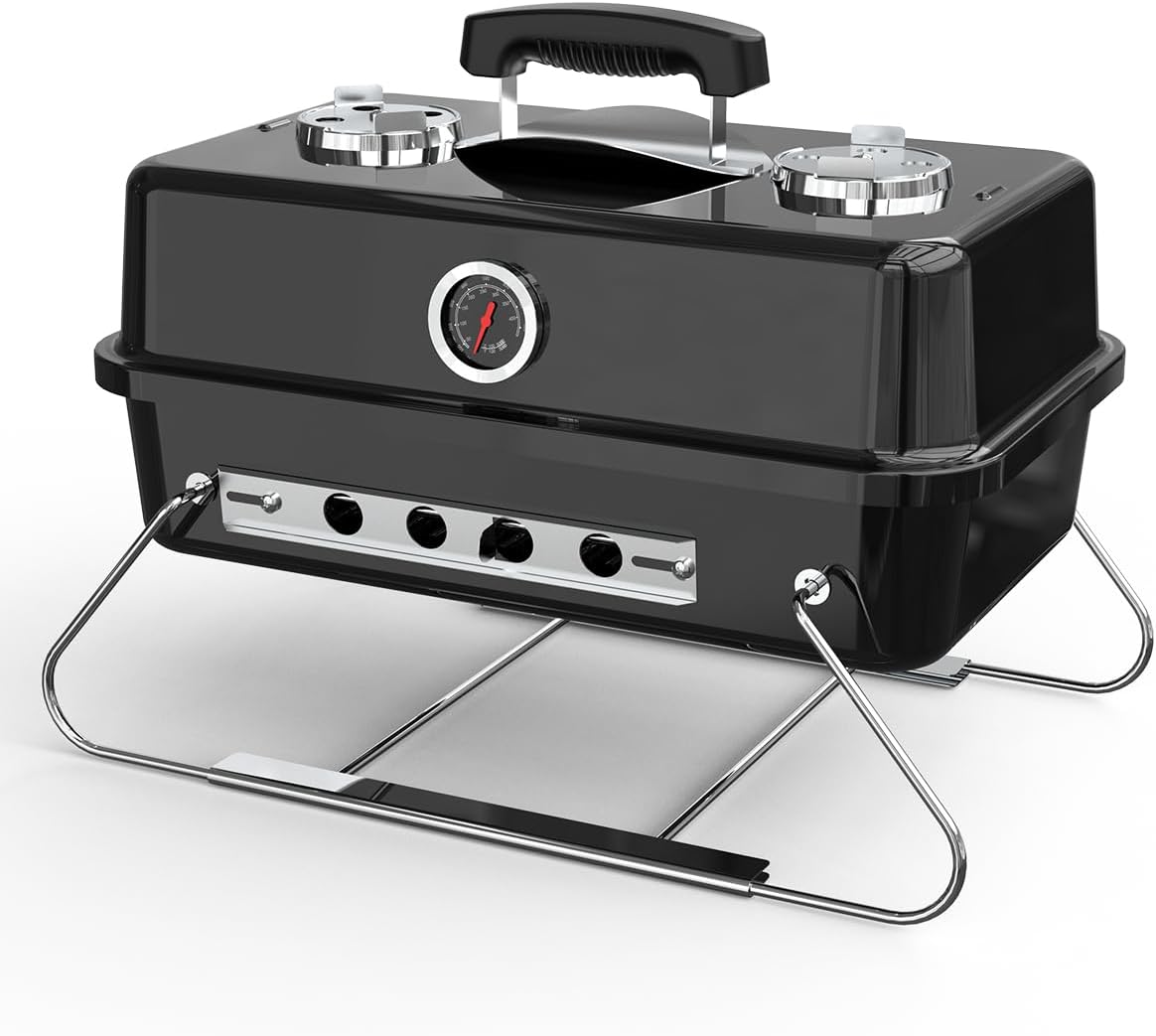
Price: £99
Type: Charcoal BBQ
My Take: The Weber Go-Anywhere is an iconic piece of kit, and it lives up to the legendary Weber name. This is for the charcoal purist who refuses to compromise on quality and flavour, even when on the road.
The Good: This BBQ is built like a tank. It features heavy-gauge steel, porcelain-enamelled lid and bowl, which means superb heat retention, even cooking, and excellent durability. It's designed to last for years, shrugging off knocks and bumps that would destroy cheaper models. The rectangular shape provides a decent cooking area for its size – enough for 4-6 burgers or a couple of steaks. The unique lid clips double as legs, lifting the BBQ off the ground and creating a stable cooking platform. The lid also has adjustable vents for decent heat control. It packs down neatly, and the lid latches securely for transport, preventing any charcoal dust escaping. The flavour you get from this is pure, unadulterated charcoal grilling.
The Not-So-Good: At £99, it's a significant investment for a charcoal BBQ. It's heavier than flimsy folding models, so you'll feel the weight when carrying it. You still have all the usual charcoal drawbacks: mess, ash disposal, and the long cool-down time. It's also not as compact as some ultra-flat options, though its sturdy design makes up for it. The lack of a carry bag means you might want to buy one separately to keep your van clean.
Best For: Charcoal enthusiasts who prioritise build quality, durability, and authentic smoky flavour. Perfect for couples or small families who are happy to wait for coals to light and cool, and who appreciate a premium grilling experience.
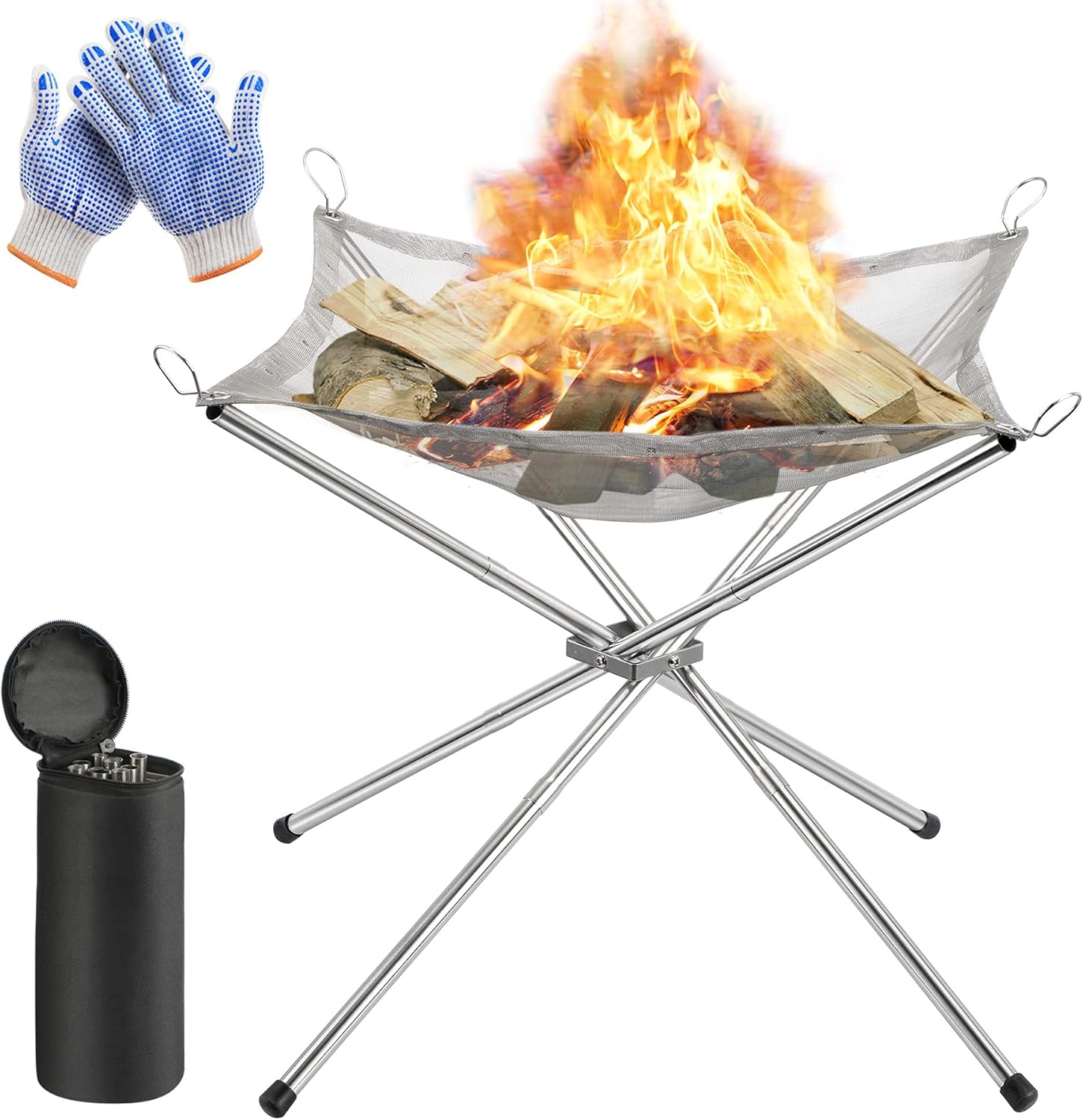
4. TuDou Portable Folding Fire Pit for Camping & BBQ
Price: £16.99
Type: Fire Pit / Charcoal BBQ
My Take: This is about as basic and budget-friendly as it gets. It’s primarily a folding fire pit, but with the added bonus of a grill grate, it doubles up as a very rudimentary BBQ.
The Good: The price is ridiculously low, making it accessible to anyone. It’s incredibly lightweight and folds down almost completely flat into a small bag, so storage is absolutely no issue. The dual-purpose nature is appealing – you get a fire pit for ambience and warmth on chilly evenings, and you can throw some charcoal or wood on it for a quick grill. It’s perfect for those who want the absolute minimum fuss for occasional outdoor cooking and a campfire experience.
The Not-So-Good: This is not a serious BBQ. The cooking grate is small and sits very close to the coals or wood, making heat control difficult and prone to burning. The build quality is, predictably, very basic. It can be flimsy and unstable, especially on uneven ground. You'll be dealing with a lot of smoke, ash, and potential sparks from wood, so extreme caution is needed. Cooling down takes ages, and cleaning is a messy affair. It’s more of a novelty or a bare-bones solution rather than a reliable grilling tool.
Best For: Extreme budget travellers, those who primarily want a portable fire pit with an occasional grilling option, or people with virtually no storage space left. Consider it a fun addition, not your main cooking appliance.
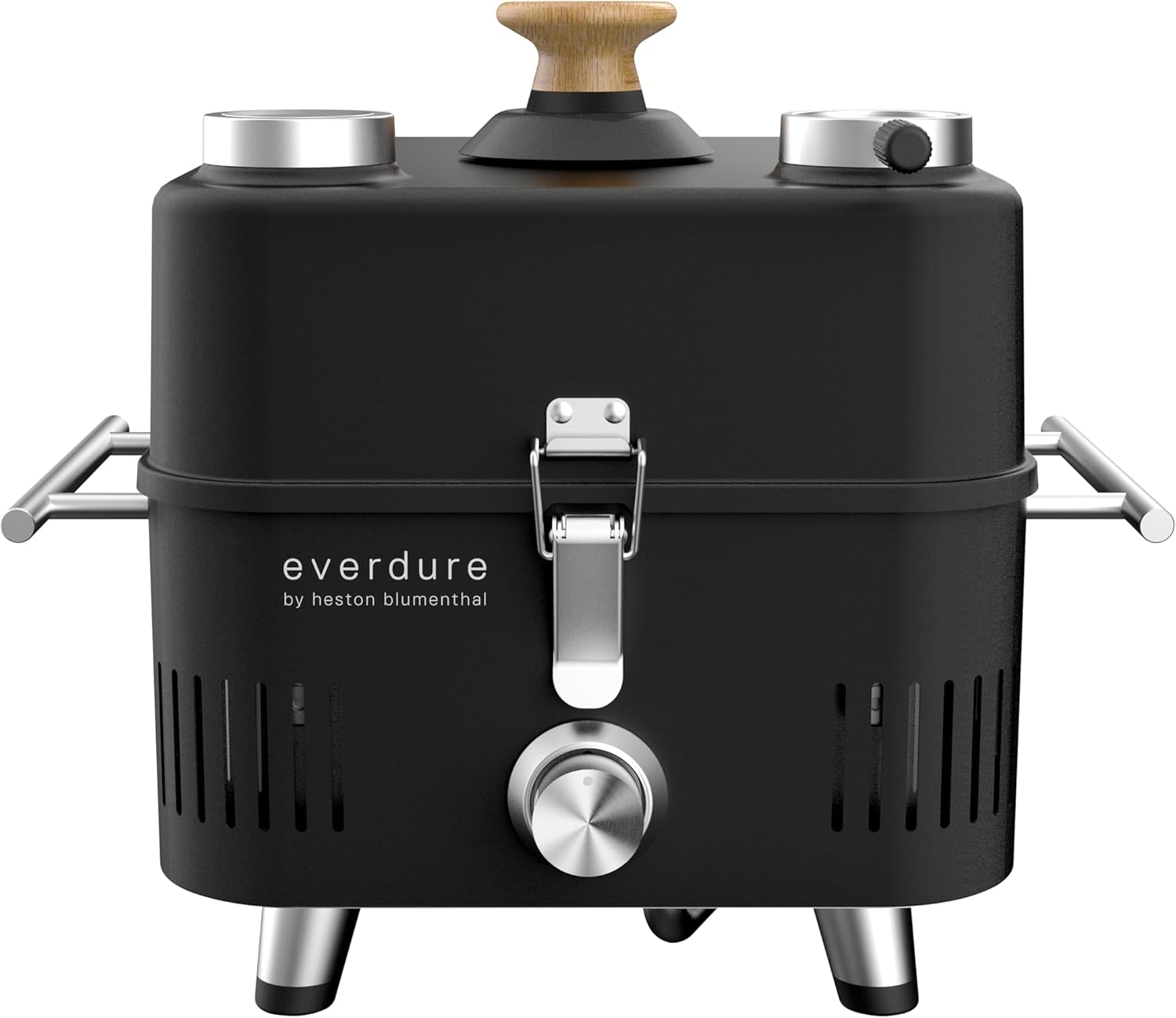
5. Everdure Cube Portable Charcoal BBQ
Price: £199
Type: Charcoal BBQ
My Take: The Everdure Cube is a design statement as much as it is a BBQ. It's a premium, stylish, and incredibly well-thought-out portable charcoal grill, perfect for the design-conscious campervan owner who wants something a cut above the rest.
The Good: This BBQ oozes quality. It’s a beautifully designed, compact unit with integrated storage for food (on a removable bamboo preparation board) and tools, which is brilliant for keeping everything together. The heat shield on the base means you can place it on a tabletop without scorching it, which is a huge plus for campervan life. The porcelain enamel firebox and chrome grill are durable and easy to clean. It heats up efficiently and delivers excellent charcoal flavour. The robust carry handles make it genuinely portable, despite its solid weight. It's a joy to use and looks fantastic.
The Not-So-Good: The price is high for a charcoal BBQ, putting it in the same league as some excellent gas models. While it has integrated storage, the overall unit is still quite heavy and substantial, so you need dedicated space for it. You still have all the usual charcoal challenges: mess, ash, and the lengthy cool-down period. The cooking area, while adequate for a couple, isn't huge, especially considering the overall footprint. It’s a luxury item, not a budget choice.
Best For: Design-conscious individuals or couples who appreciate premium quality, clever features, and aren't afraid to spend a bit more for a stylish and functional charcoal BBQ. If you want your BBQ to look as good as your van, this is it.
Just a quick note on the 'Kitchen Academy 10pc Non-Stick Stackable RV Cookware Set'. While excellent for your internal campervan kitchen, this isn't a portable BBQ. It's about cooking inside the van, or on a hob. So, we'll keep our focus firmly on outdoor grilling for this guide.
Practical Tips for BBQing with Your Campervan
Having the right BBQ is one thing, but knowing how to use it safely and effectively on the road is another. Over the years, I've picked up a few crucial tips that will make your outdoor cooking a breeze.
Safety First: Don't Be That Guy!
This is non-negotiable. Fire safety is paramount, especially when you’re out in nature.
- Check Regulations: Always, always check local fire regulations. Many campsites, national parks, and wild camping spots have strict rules, especially during dry periods. Fire bans are common in the UK, particularly for open fires and charcoal BBQs. A gas BBQ is generally safer and more widely accepted.
- Clear the Area: Set up your BBQ on a flat, stable surface, well away from your van, tents, trees, or any dry grass. A minimum of 3 metres clearance is a good rule of thumb.
- Wind Awareness: Wind can quickly spread embers or blow out flames. Position your BBQ out of direct wind, or use a windbreak if necessary. Never leave a lit BBQ unattended.
- Water/Extinguisher: Always have a bucket of water, a sand bucket, or a fire extinguisher for campervans close at hand. This isn't just for emergencies; it's also essential for safely dousing charcoal.
- Never Inside: Do not, under any circumstances, use a charcoal or gas BBQ inside your campervan. The risk of carbon monoxide poisoning is real and deadly.
Fuel Management: Plan Ahead
Running out of fuel halfway through cooking is a rookie mistake.
- Charcoal Storage: Keep charcoal in a sealed, waterproof bag or container. It prevents dampness and keeps the dust contained in your van. Store it away from heat sources.
- Gas Bottle Safety: If using refillable bottles, ensure they’re securely stored in a designated gas locker (vented to the outside). For disposable canisters, keep them in a cool, dry place, away from direct sunlight or heat. Always check hoses and connections for leaks before use. Carry spares!
This means a little bit of foresight saves a lot of hassle.
Cleaning & Storage: Keep Your Van Fresh
A dirty BBQ is a smelly BBQ, and that smell will permeate your van.
- Clean Immediately: The easiest time to clean a BBQ is while it's still warm (but not scalding hot!). Food scraps and grease come off much more easily.
- Scrub & Wipe: Use a good grill brush for grates. For gas BBQs, wipe down surfaces and empty drip trays after every use.
- Store Properly: Once cool and clean, pack your BBQ away in its carry bag (if it has one). This keeps your van clean and prevents greasy residue from getting on other items. A dirty BBQ attracts pests and makes your van smell like last night's dinner.
Leave No Trace: Respect the Environment
We're privileged to enjoy the UK's beautiful landscapes; let's keep them that way.
- Ash Disposal: Never dump hot ash directly onto the ground or in bins. Allow charcoal to cool completely (I mean completely) and then dispose of it responsibly in a designated ash bin or take it home.
- Rubbish: Pack out everything you pack in. Leave your pitch cleaner than you found it.
Location, Location, Location: Pitch Perfect
- Campsite Rules: As mentioned, always adhere to campsite rules regarding BBQs and fires. Some have designated BBQ areas.
- Wild Camping: If you're wild camping, be extra cautious. Use a BBQ that leaves no trace on the ground (like one with a heat shield or on legs). Avoid cooking directly on grass or delicate surfaces. Gas BBQs are generally preferred for wild spots due to lower fire risk.
Weather: Don't Let it Rain on Your Parade
The UK weather is unpredictable.
- Wind: A strong breeze can make charcoal difficult to light and cook with. It can also cause flare-ups with gas.
- Rain: A sudden downpour can dampen your coals or make cooking miserable. Consider a driveaway awning or tarp over your cooking area if rain is forecast. Some compact gas BBQs can even be used under a large van awning if done safely and with good ventilation.
The Verdict: Choosing Your Perfect Portable BBQ
So, you've absorbed the knowledge, weighed the options, and now it's time to make a decision. Choosing the perfect portable BBQ for your campervan really boils down to balancing your lifestyle, your budget, and your priorities.
For the Budget-Conscious & Occasional Griller:
If you're only planning a few BBQs a year, space is at an absolute premium, and every quid counts, then the House of Home Portable Folding Charcoal BBQ (£35.99) or the TuDou Portable Folding Fire Pit for Camping & BBQ (£16.99) are your starting points. They’re cheap, cheerful, and get the job done, but don’t expect them to last forever or offer a premium cooking experience. They're great for dipping your toes in.
For the Regular User & Convenience Seeker:
If you value speed, versatility, and minimal fuss, and you plan to BBQ regularly on your trips, then the Cadac Safari Chef 2 Portable Gas BBQ (approx. £150-£200) is, in my opinion, the standout choice. It’s an investment, but its multi-functional design, quick heat-up, and easy cleaning make it incredibly practical for campervan life. It’s the closest you’ll get to a full kitchen outdoors.
For the Charcoal Purist & Quality Enthusiast:
If that authentic smoky flavour is non-negotiable, and you appreciate robust build quality that will last for years, then the Weber Go-Anywhere Portable Charcoal BBQ (£99) is an absolute winner. It’s a classic for a reason – great heat retention, decent cooking area, and legendary durability. If you want something even more stylish and with integrated smarts, and budget allows, the Everdure Cube Portable Charcoal BBQ (£199) offers a premium charcoal experience with a fantastic design. Just remember the trade-offs with charcoal: mess, cooling time, and fire regulations.
My Personal Opinion:
As someone who spends a lot of time on the road, I always lean towards gas for sheer convenience and flexibility. The ability to fire it up, cook in minutes, and pack it away almost instantly means I use it far more often. The lack of ash and fire risk also gives me peace of mind, especially when wild camping or on dryer pitches. The Cadac Safari Chef 2 is my go-to recommendation for its versatility alone. However, for those special occasions, when I'm pitched up in a safe, designated area and have the time to relax, nothing beats the ritual and flavour of a quality charcoal BBQ like the Weber Go-Anywhere.
Ultimately, the best portable BBQ is the one you'll actually use. Consider your typical trip, your available storage, and how much effort you're willing to put in. Whatever you choose, get out there, fire it up, and enjoy those incredible meals under the open sky. Happy grilling, fellow van-lifers!