Campervan Fire & CO Safety Specialists
The UK's most comprehensive directory of campervan fire & co safety specialists. 6 verified companies, independently rated and reviewed.

Added byJoe Tannorella··
Expanded
Find Your Perfect Converter
No obligation • Compare multiple quotes
Best Campervan Fire & CO Safety Specialists
Ranked by verified Google ratings and customer reviews. We track 6 companies offering campervan fire & co safety across the UK — here are the highest rated.









Key Facts About Campervan Fire & CO Safety
- ✓ Safety fitters install dry powder extinguishers. They also mount optical smoke detectors and low-level carbon monoxide alarms near beds.
- ✓ A basic setup costs around £50. In contrast, fully integrated smart systems run £150–£400 fitted depending on network complexity.
- ✓ Fitting these crucial devices takes just one to three hours. As a result, owners secure their vehicles rapidly.
- ✓ Specialists understand airflow dynamics. Consequently, they place CO monitors exactly where deadly gas accumulates, a detail DIYers often miss.
- ✓ Buyers choose between standalone battery units and 12V hardwired models. For most builders, hardwired alarms offer ultimate reliability.
- ✓ Enclosed campervans trap toxic fumes fast. Therefore, reliable carbon monoxide detection proves non-negotiable for rigs running diesel heaters.
Why Choose Professional Campervan Fire & CO Safety?
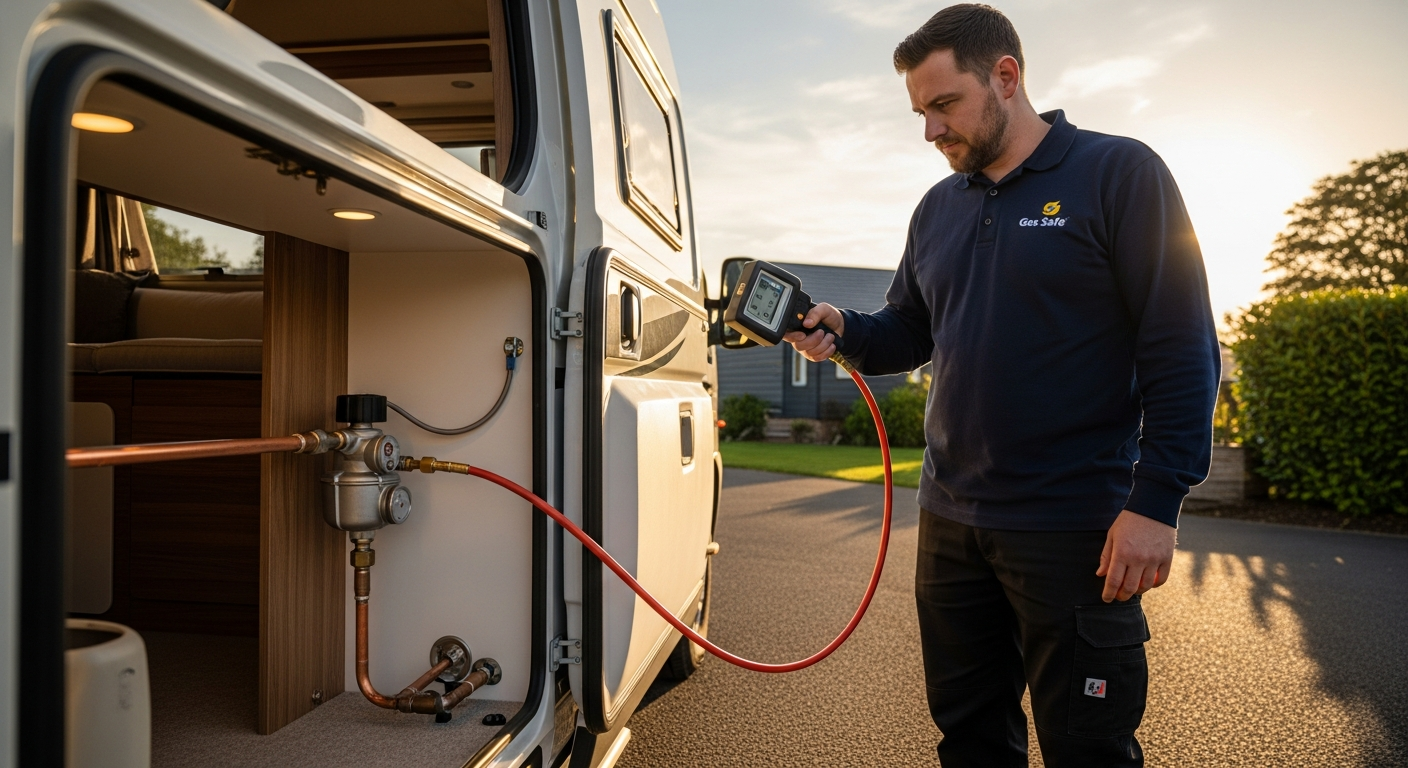
Fitting life-saving alarms sounds simple until carbon monoxide pools silently near the floor. Amateur builders often trap domestic detectors in dead air spaces. Professional installers truly understand ventilation dynamics inside tight campervan cabins, allowing them to map out safe airflow patterns. They position sealed-battery CO monitors exactly where heavy gases accumulate below sleeping platforms. This means occupants sleep safely. Experts also mount specialized campervan fire extinguishers near exit doors, completely avoiding high-heat cooking zones. Installations typically take two to four hours. Owners usually pay £150 to £350 for premium, vibration-rated equipment fully fitted.
Finding a competent technician requires asking specific questions about equipment standards. Buyers must verify that technicians supply alarms carrying the BS EN 50291-2 certification, a strict standard specifically for recreational vehicles. Standard household units fail constantly on bumpy roads. In practice, a massive red flag waves if a mechanic suggests buying basic smoke detectors from a local hardware store. Optical units handle cooking fumes better. Owners should ask the specialist exactly how they permanently secure heavy extinguishers directly to the vehicle chassis. Flimsy plastic brackets shatter during sudden stops.
Sorting through local garages to find certified safety experts wastes valuable build time. CamperBrain resolves this problem instantly. The platform filters six verified companies currently averaging a flawless five-star rating across the entire country. As a result, van builders quickly locate technicians who understand the unique hazards of compressed gas systems and split-charge electrical fires. Users easily compare nearby options. They read detailed reviews from past clients and book certified upgrades directly. Proper protection transforms a risky metal box into a secure rolling home.
Find Campervan Fire & CO Safety Specialists by Location
North West England
Yorkshire and the Humber
West Midlands
South East England
London
Frequently Asked Questions
What exactly does a Campervan Fire & CO Safety installation include?
How much does a professional fire and CO safety setup cost?
How long does it take to install fire and CO safety equipment?
Can I install fire extinguishers and CO alarms in my campervan myself?
Which types of vans need dedicated fire and CO safety equipment?
What are the main benefits of proper campervan fire and CO safety?
How do I find a reliable fire and CO safety specialist locally?
What should I look for when choosing a safety equipment installer?
Related Articles
Related Services
Expert Insights
"Carbon monoxide doesn't sink or rise like smoke. This means builders must mount CO alarms at eye level, around five feet high, to catch leaks from diesel heaters early."
"Dry powder extinguishers wreck electrical systems and choke tight spaces. In practice, seasoned converters install £30 water mist units instead, as they smother cooking fires without ruining the whole rig."
"Cheap ionisation alarms trigger constantly when someone burns toast. For most builders, spending £20 on an optical smoke detector prevents these daily headaches while still catching real electrical smolders fast."
"Mount fire blankets near the sliding door. As a result, you can grab this £10 safety essential while escaping, rather than reaching across a blazing gas hob to retrieve it."
Ready to Get Started with Campervan Fire & CO Safety?
Get free, no-obligation quotes from verified specialists. Compare prices and reviews to find the perfect match for your project.
Get Free Quotes