Campervan Leisure Batteries Specialists
The UK's most comprehensive directory of campervan leisure batteries specialists. 238 verified companies, independently rated and reviewed.

Added byJoe Tannorella··
Reviewed and verified for accuracy
Find Your Perfect Converter
No obligation • Compare multiple quotes
Best Campervan Leisure Batteries Specialists
Ranked by verified Google ratings and customer reviews. We track 238 companies offering campervan leisure batteries across the UK — here are the highest rated.


Advanced Auto Conversions Ltd


Atlas Sporthomes ltd
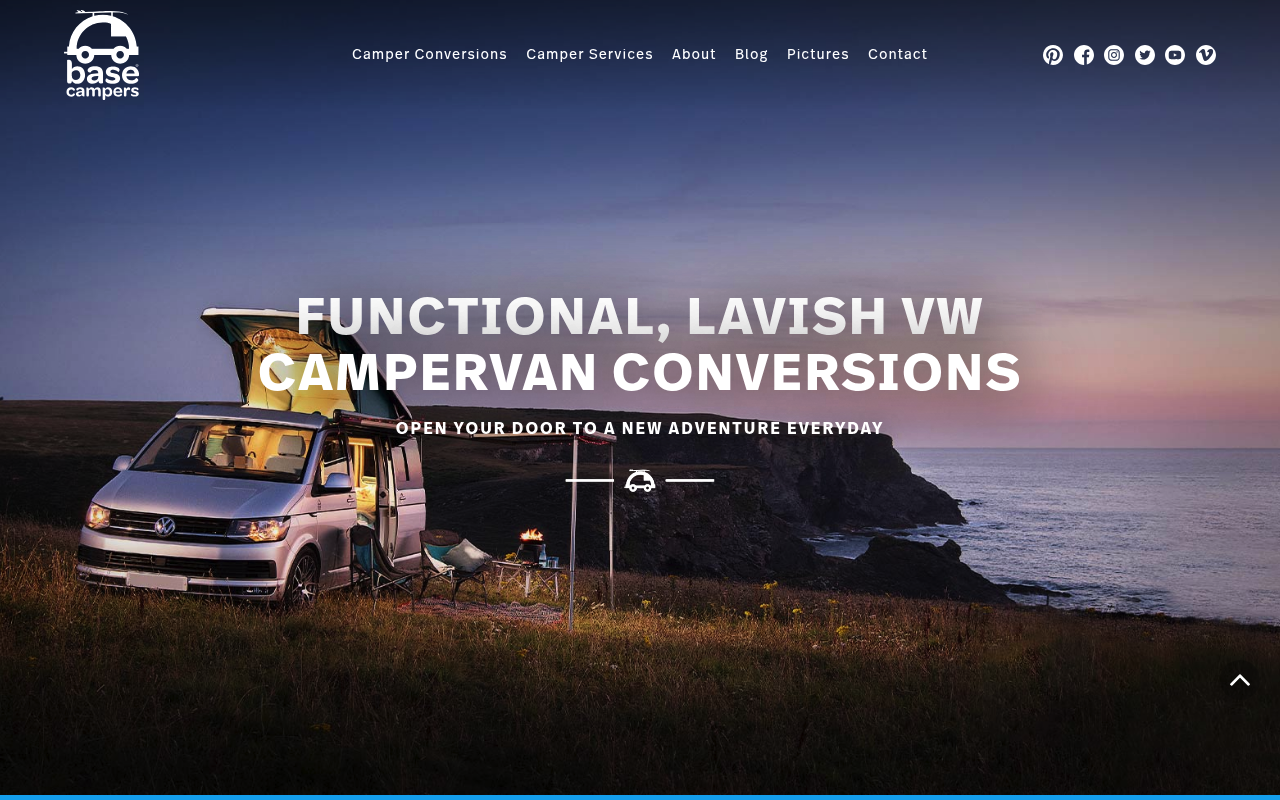

Base Campers
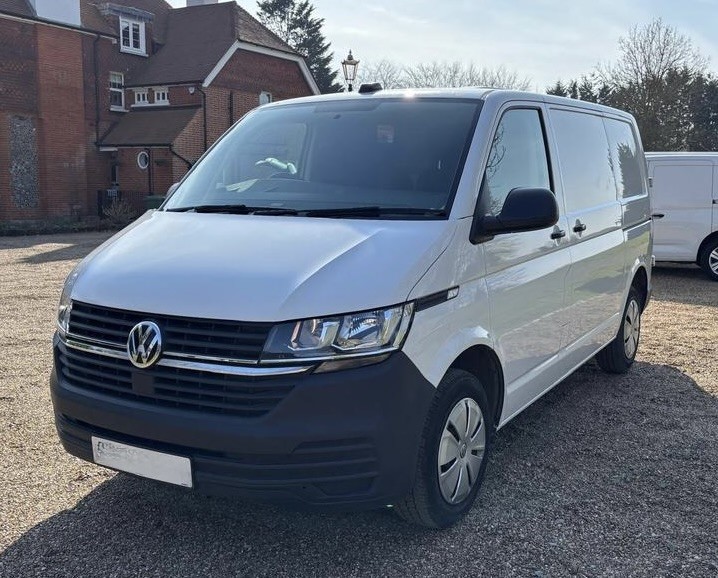

Bath VW Campers
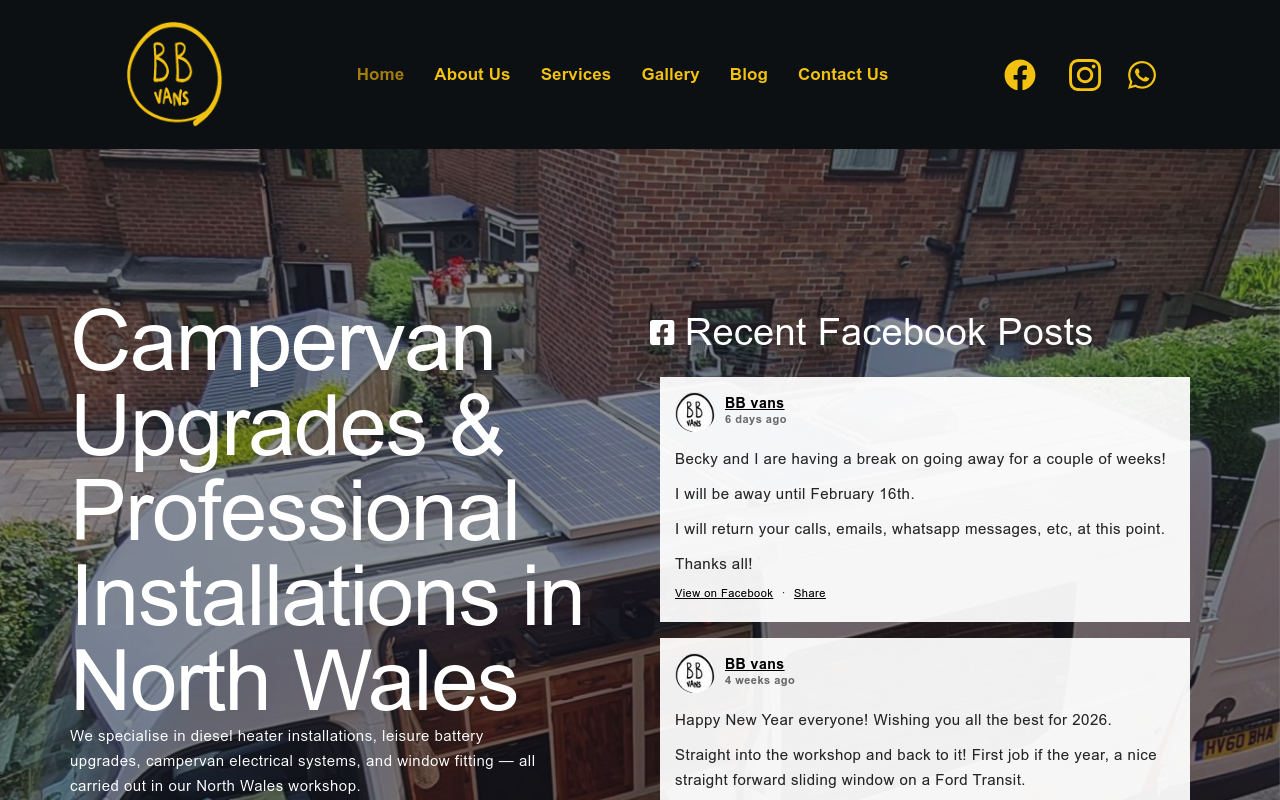

BB Vans

Bearwood Campers
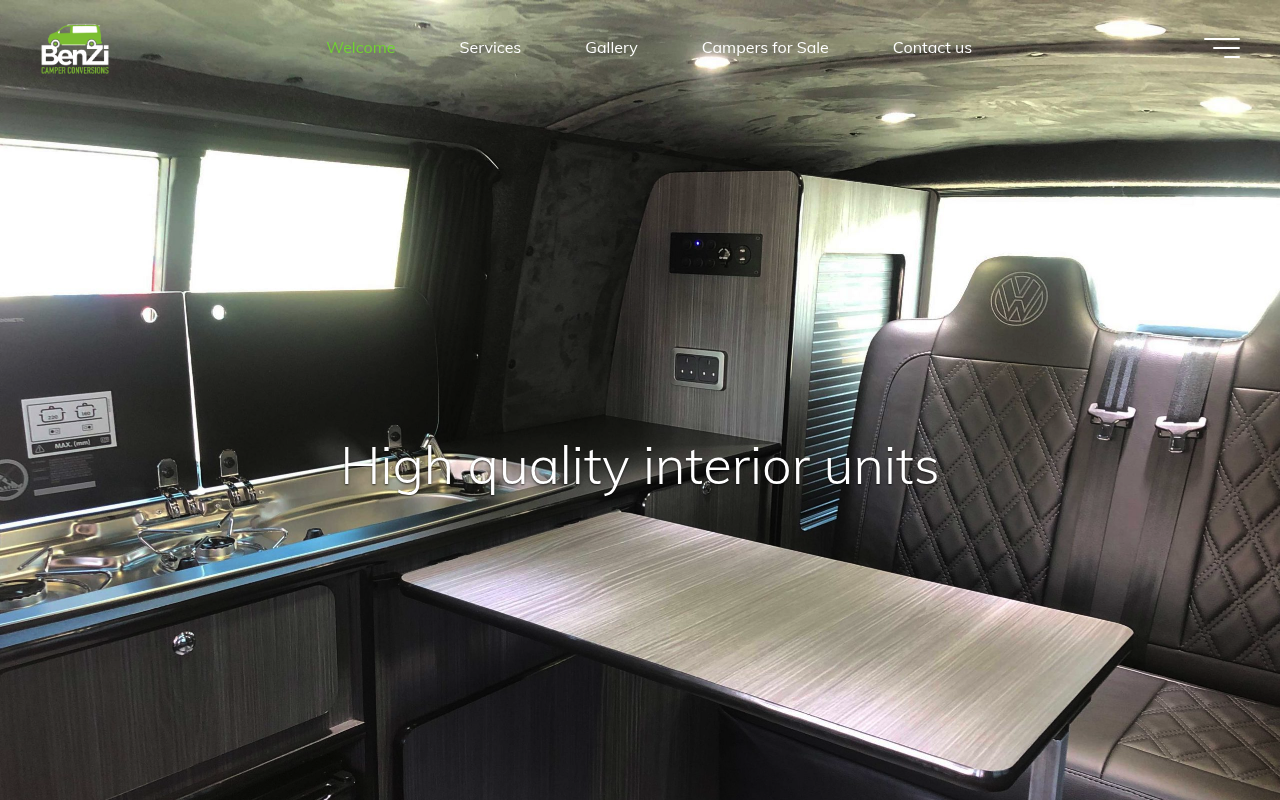

Benzi Camper Conversions
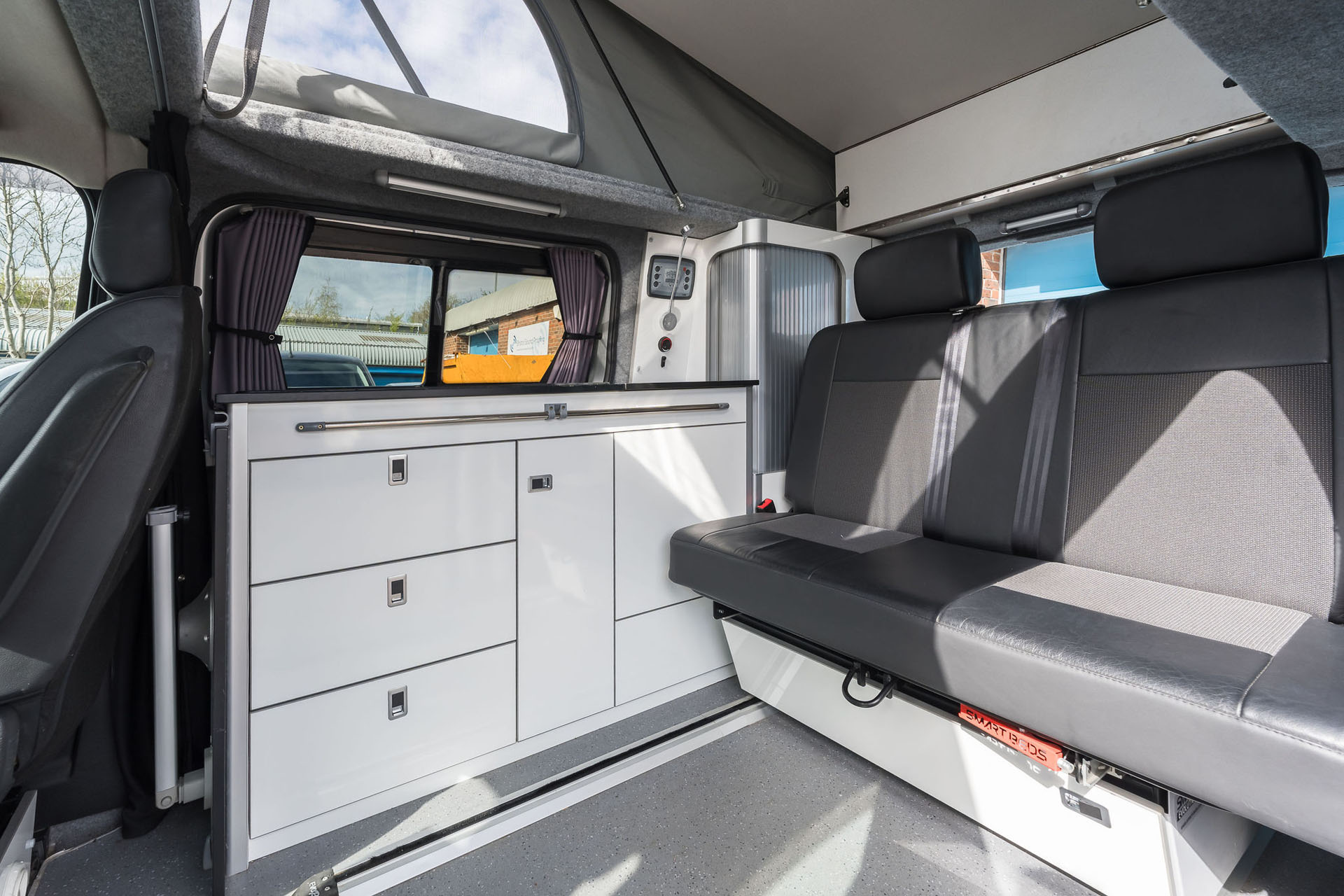
Bespoke Campers


Bhode Vans


Big Blue Camper Co.

Blackline Adventure

Blake Autos HardCore Campers
Key Facts About Campervan Leisure Batteries
- ✓ A professional installation connects the battery, a B2B charger for on-the-road power, and all critical safety fuses and wiring.
- ✓ A basic AGM setup costs £600–£900, while a comprehensive lithium system with an inverter often ranges from £2,000–£4,500 fitted.
- ✓ Installation takes one day for a simple split-charge system, but a full off-grid setup with solar needs two to three days.
- ✓ Professionals calculate correct cable gauges and fuse ratings to prevent fire, a critical safety step often overlooked in DIY builds.
- ✓ Lithium batteries provide double the usable capacity and last far longer, justifying their higher initial cost over cheaper AGM alternatives.
- ✓ The leisure battery system dictates off-grid freedom, powering fridges, lights, and chargers without reliance on campsite electrical hook-ups.
Why Choose Professional Campervan Leisure Batteries?
Going pro for your electrical system is about safety and long-term performance, not just convenience. A DIY setup can easily become a fire hazard if wire gauges are miscalculated or fuses are omitted. Professionals ensure every connection is secure and protected, especially with powerful lithium batteries that have specific charging requirements. In practice, a professionally installed system also extracts the maximum life and power from your components. They will correctly match your battery bank to your solar input and alternator charging, preventing the kind of chronic undercharging that can kill an expensive AGM battery in a single season. This means you get reliable power without worrying about slowly damaging your investment.
When vetting an installer, ask to see photos or diagrams of their wiring looms. A true specialist can explain precisely why they chose a 16mm² cable over a 10mm² one for a specific run. Ask how they plan to charge your leisure battery from the engine; the correct answer should involve a modern B2B (battery-to-battery) charger, especially for vans with smart alternators. Red flags include vague quotes that don't itemise major components or an inability to justify their system design for your specific power needs. A complete, high-quality installation with a lithium battery and inverter typically costs between £1,500 and £4,000 and takes one to three days, so be wary of quotes that seem too good to be true.
Finding a qualified expert can feel overwhelming. CamperBrain simplifies the process by curating a list of vetted conversion companies that specialise in power systems. You can directly compare their past projects, looking specifically at the neatness and logic of their electrical installations. The platform provides a solid starting point, giving you a list of trusted builders in your area to contact. Use their profiles to build a shortlist, then call them and ask the tough questions. As a result, you can confidently choose a provider who demonstrates the technical expertise required for a safe and robust electrical system.
Find Campervan Leisure Batteries Specialists by Location
North West England
Yorkshire and the Humber
West Midlands
South East England
East Midlands
Frequently Asked Questions
What is a campervan leisure battery system?
How much does a leisure battery system cost?
How long does a leisure battery installation take?
Can I install a leisure battery system myself?
What vans are leisure battery systems suitable for?
What are the benefits of a professional leisure battery setup?
How do I find a good leisure battery specialist?
What should I look for in a quality installation?
Related Services
Expert Insights
"While AGM is a proven choice for weekend trips, serious off-grid systems demand lithium. This means you get double the usable power and a lifespan that is often ten times longer."
"Your inverter choice depends entirely on your appliances. A 500W unit handles laptops and chargers, but you'll need at least a 1500W pure sine wave inverter to run a coffee machine or microwave."
"Don't underestimate 12V electrical complexity. For most Transit-based builds, a professional installation of a lithium battery and inverter costs £900–£2,500 and ensures everything is fused correctly and safely."
"A battery is useless without consistent charging. As a result, every solid build should pair its leisure battery with a DC-to-DC charger for driving and at least 200W of solar for when you're parked."
Ready to Get Started with Campervan Leisure Batteries?
Get free, no-obligation quotes from verified specialists. Compare prices and reviews to find the perfect match for your project.
Get Free Quotes