Campervan Insulation Specialists
The UK's most comprehensive directory of campervan insulation specialists. 284 verified companies, independently rated and reviewed.

Added byJoe Tannorella··
Reviewed and verified for accuracy
Find Your Perfect Converter
No obligation • Compare multiple quotes
Best Campervan Insulation Specialists
Ranked by verified Google ratings and customer reviews. We track 284 companies offering campervan insulation across the UK — here are the highest rated.
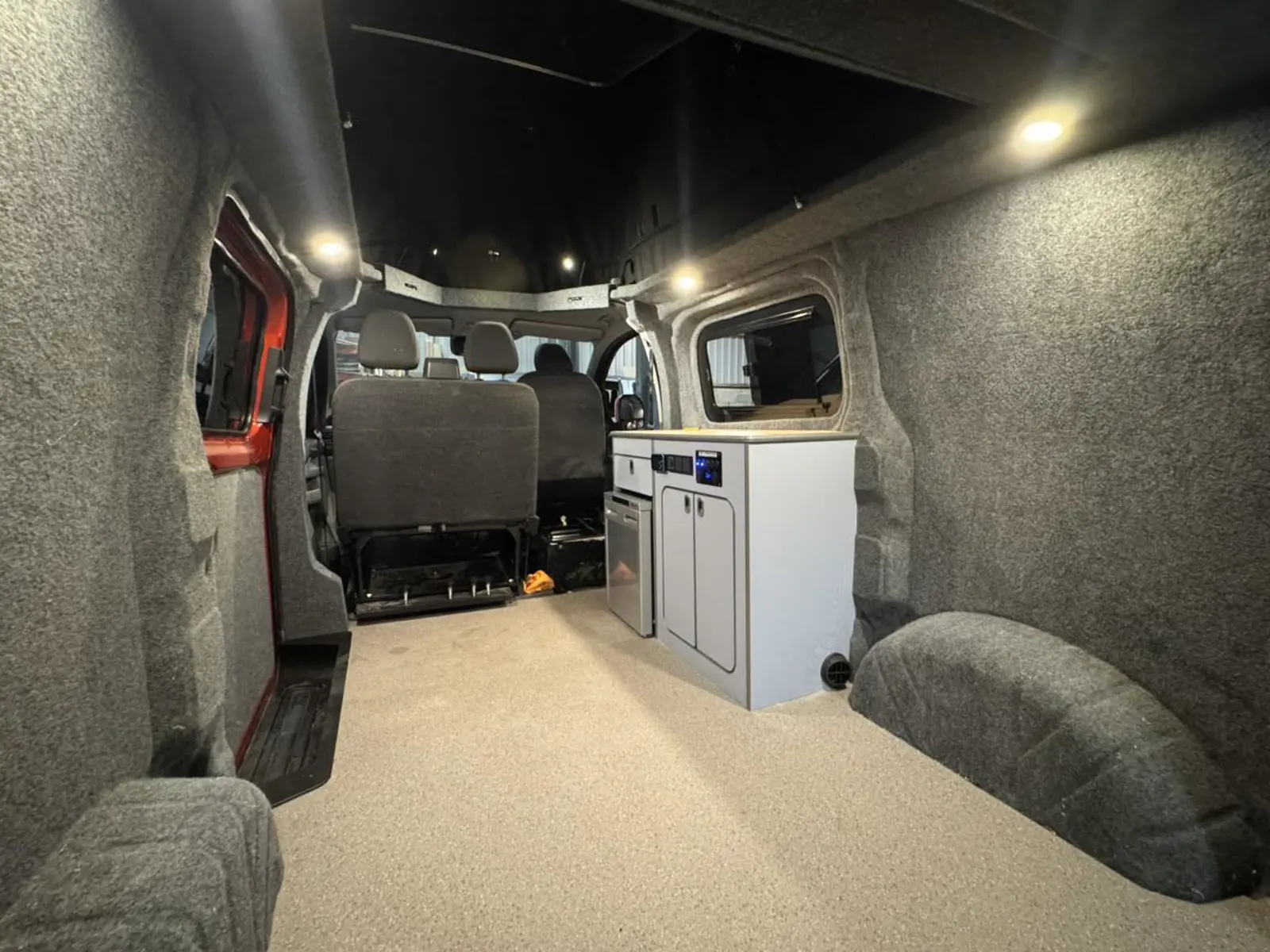
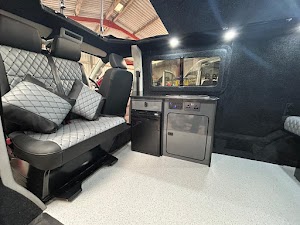
AB Campers


Advanced Auto Conversions Ltd
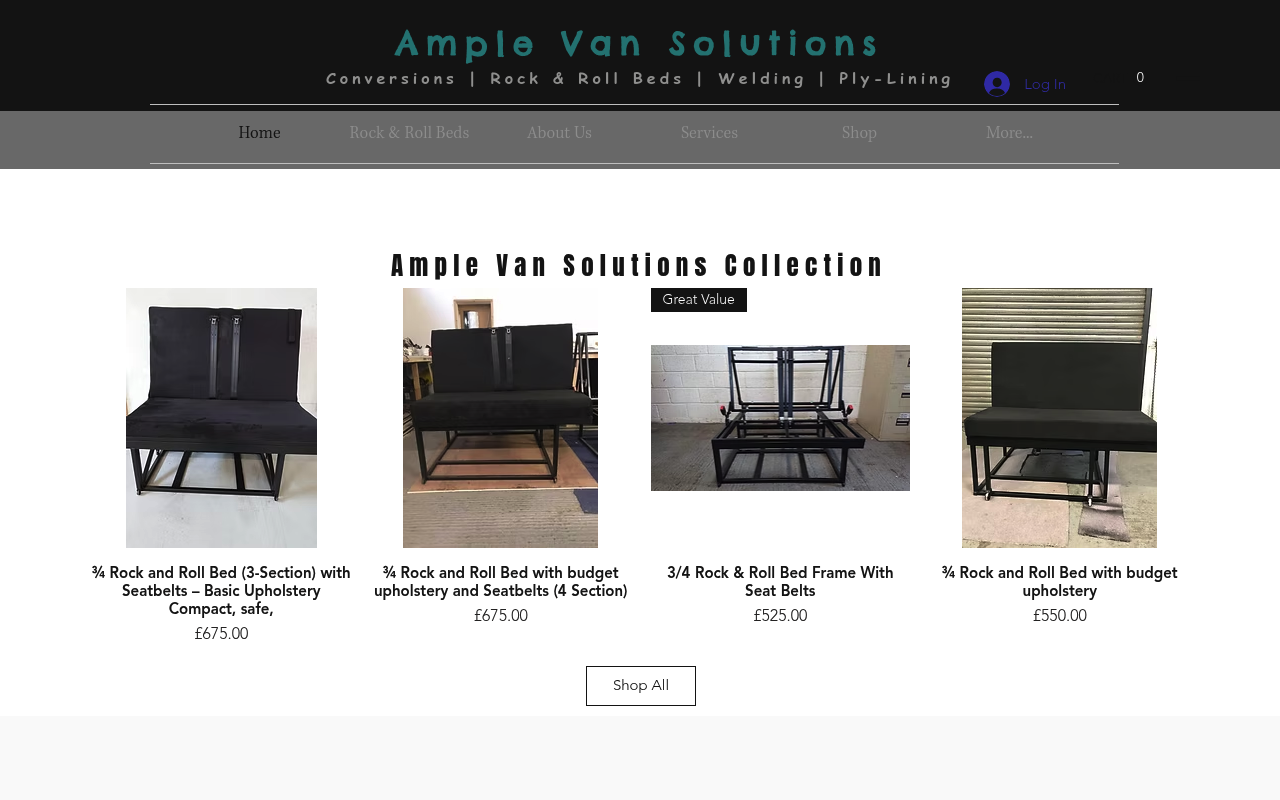
Ample Van Solutions
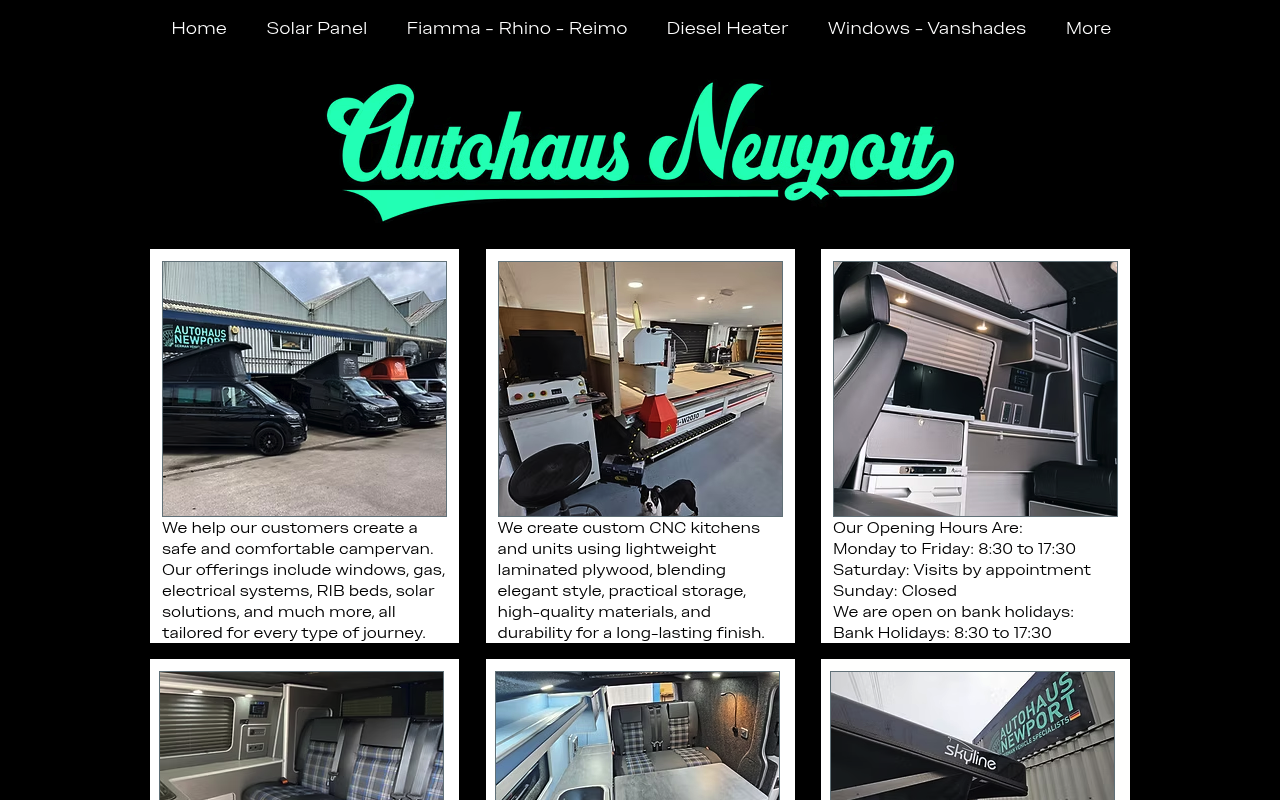
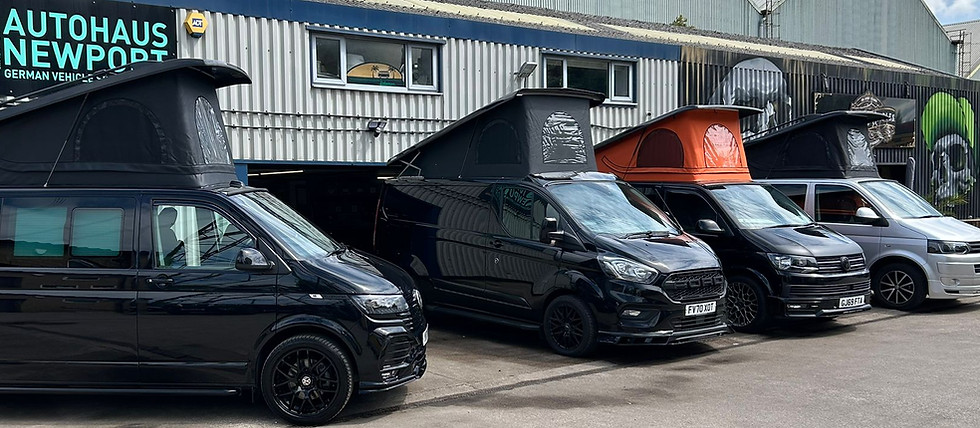
Autohaus Newport Campervan Conversions
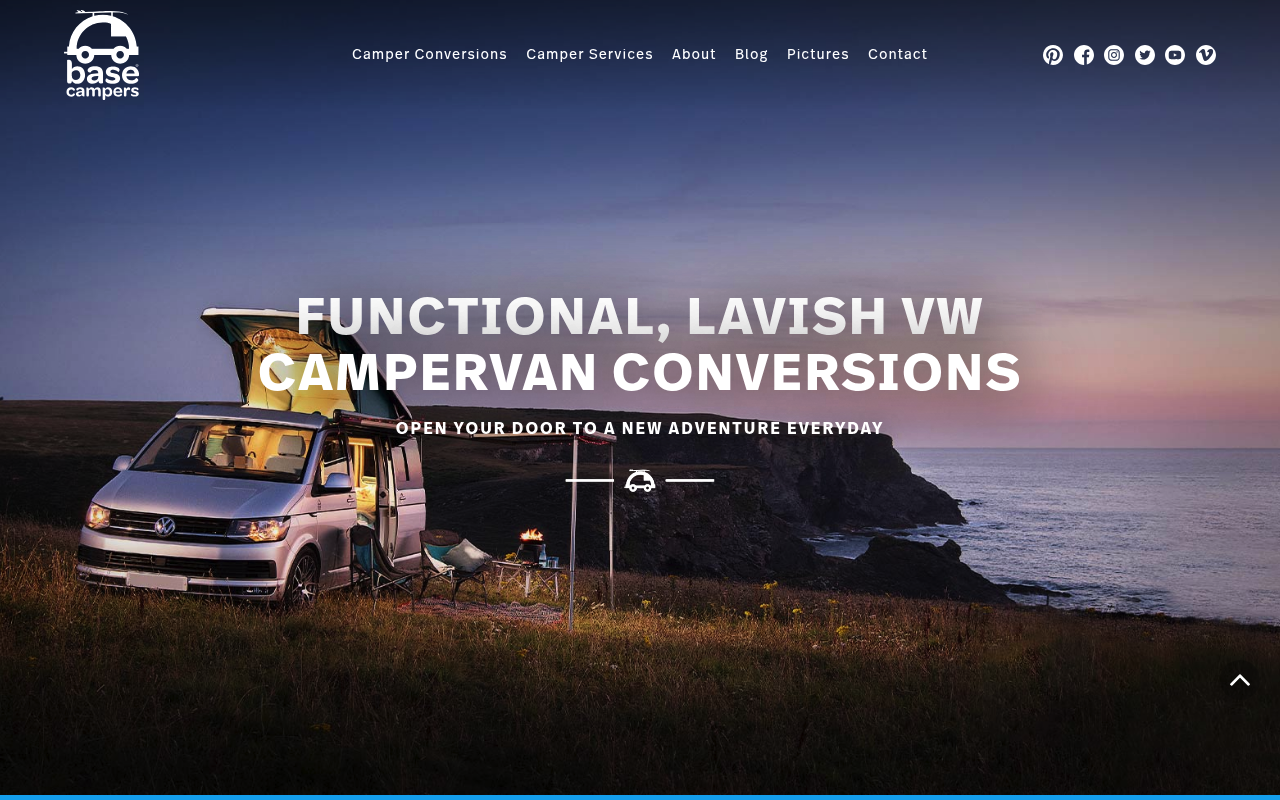

Base Campers

Bearwood Campers
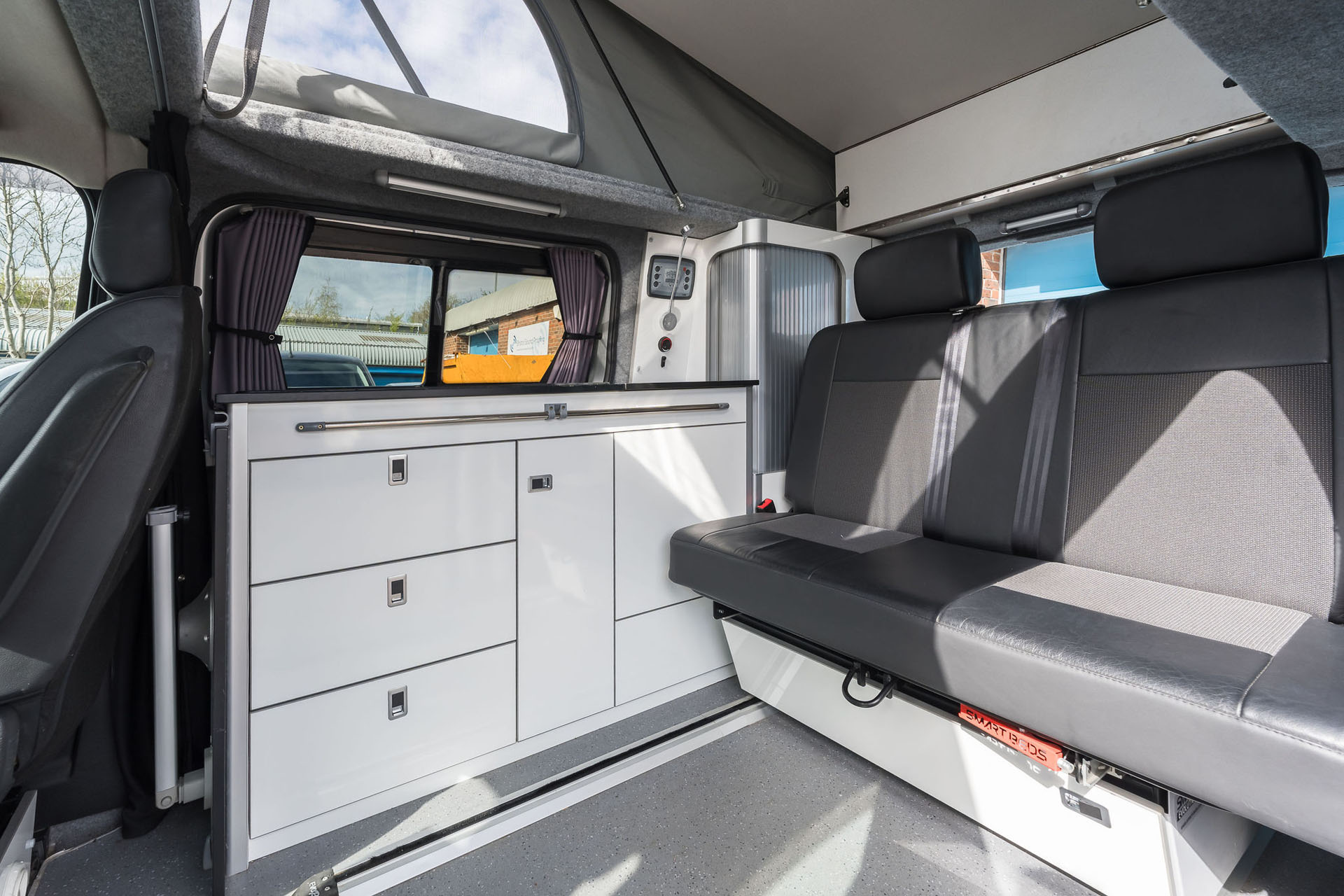
Bespoke Campers


Bhode Vans

Big Blue Camper Co.

Blackline Adventure

Blake Autos HardCore Campers

Born Wild Vans
Key Facts About Campervan Insulation
- ✓ A professional job involves fitting insulation and a vapour barrier, preventing condensation from rusting the vehicle's hidden metalwork.
- ✓ Fitted insulation for a medium-wheelbase van typically costs £1,200–£2,800, depending on the materials used and job complexity.
- ✓ A specialist workshop can fully insulate and vapour-seal a standard panel van in two to four working days.
- ✓ Professionals meticulously eliminate thermal bridges—gaps that DIY builders often miss—which prevents cold spots and damp issues.
- ✓ Most services begin by applying sound-deadening mats, a crucial first step that dramatically cuts road noise and panel vibration.
- ✓ Buyers choose between rigid PIR boards for maximum thermal value and natural wools that help manage interior moisture passively.
- ✓ Proper insulation is critical for four-season use; it keeps the interior cool in summer, making the small space truly liveable.
Why Choose Professional Campervan Insulation?
Going pro for insulation isn't just about saving time; it's about preventing long-term problems. A DIY job can look fine, but the real test is how it handles condensation. Professionals understand how to create a complete vapour barrier, a sealed layer that stops warm, moist interior air from hitting the cold metal skin of your vehicle. This is what prevents rust and mould. They meticulously eliminate thermal bridges—direct contact points with the van’s frame that bleed heat and create cold spots. In practice, this means a combination of materials like rigid PIR boards on flat surfaces and sheep's wool packed into every awkward cavity. For most builders, a full insulation job takes one to three days, while a first-timer can easily lose a full week to the task.
When vetting a specialist, focus on their process, not just the final look. Ask them directly how they manage condensation and what their strategy is for the vapour barrier. A good installer can explain why they choose specific materials for different areas. Request photos of their work in progress, specifically showing the insulation and vapour barrier before the final wall panels are fitted. This reveals the quality of their work. Be wary of anyone who uses a single type of insulation for the entire build or dismisses the need for a meticulously sealed barrier. A professionally fitted package for a medium-sized van typically costs between £800 and £2,500, depending on the materials and complexity.
Finding that right expert is the final piece of the puzzle. CamperBrain streamlines this search by connecting you with a curated list of experienced insulation specialists across the country. Instead of cold-calling random workshops, you can browse detailed profiles, view portfolios of past projects, and read verified customer reviews. This allows you to compare quotes from multiple top-rated companies who understand the specific challenges of insulating a vehicle. As a result, you can confidently choose a provider whose methods align with your build goals, ensuring your van stays warm, dry, and comfortable for years of adventure.
Find Campervan Insulation Specialists by Location
North West England
Yorkshire and the Humber
West Midlands
South East England
East Midlands
Frequently Asked Questions
What exactly is professional campervan insulation?
How much does professional van insulation cost?
How long does it take to insulate a campervan?
Can I just insulate my campervan myself?
What types of vans is insulation suitable for?
What are the main benefits of proper van insulation?
How can I find a good campervan insulation specialist?
What should I look for in a quality insulation provider?
Related Services
Expert Insights
"For most builders, a hybrid system is the answer. Use rigid PIR boards for large, flat areas like the floor and ceiling, then pack breathable sheep's wool into the complex wall cavities for total coverage."
"Don't overlook the vapour barrier; it's the most critical step after the insulation itself. In practice, a single un-taped seam can let enough moisture through to cause hidden rust within just two to three years."
"A proper insulation job is an investment, typically costing £900–£2,500 fitted. This cost is quickly offset by the reduced need for a powerful heater and the prevention of damaging interior condensation."
"Many people fixate on R-values, but thermal bridging is the real enemy. This means every exposed metal rib or beam will radiate cold, so applying a layer of closed-cell foam over them is essential."
Ready to Get Started with Campervan Insulation?
Get free, no-obligation quotes from verified specialists. Compare prices and reviews to find the perfect match for your project.
Get Free Quotes