Campervan Water Systems Specialists
The UK's most comprehensive directory of campervan water systems specialists. 239 verified companies, independently rated and reviewed.

Added byJoe Tannorella··
Reviewed and verified for accuracy
Find Your Perfect Converter
No obligation • Compare multiple quotes
Best Campervan Water Systems Specialists
Ranked by verified Google ratings and customer reviews. We track 239 companies offering campervan water systems across the UK — here are the highest rated.
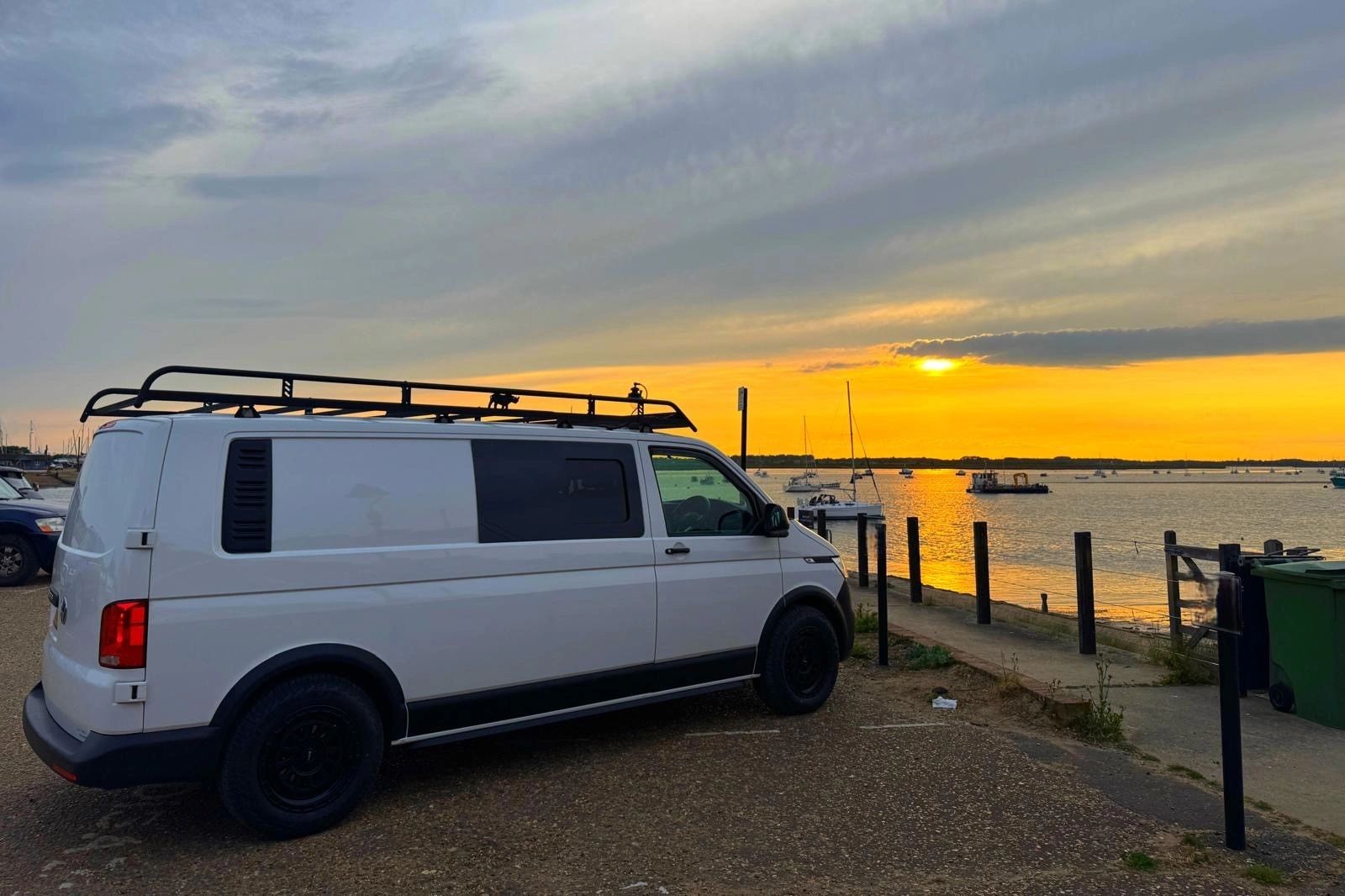

Bijoux Campers


Advanced Auto Conversions Ltd

Ample Van Solutions
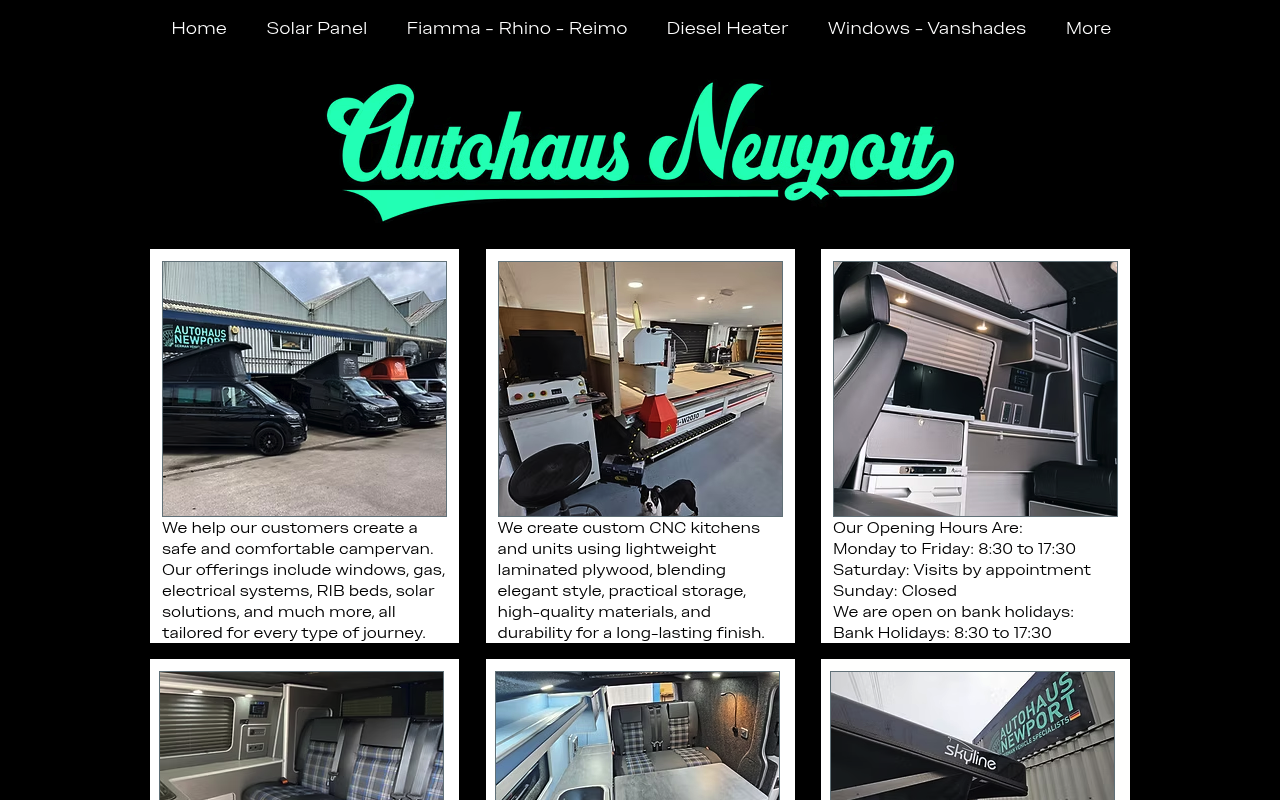
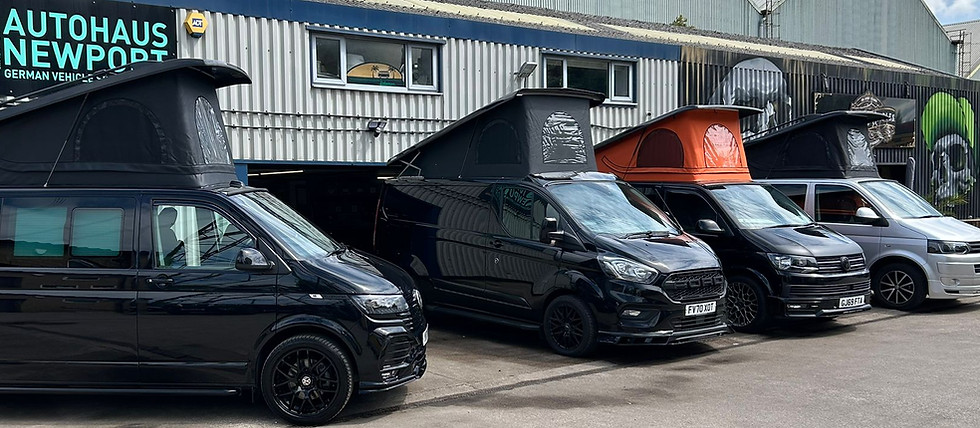
Autohaus Newport Campervan Conversions

AV Camper Conversions
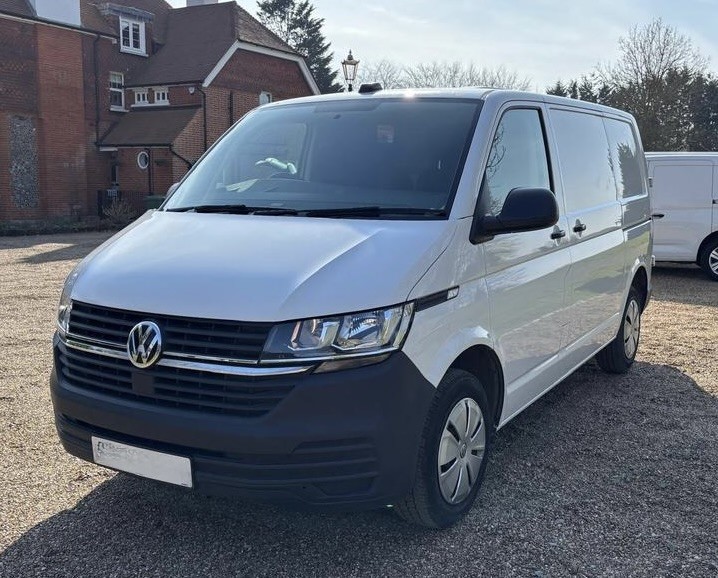

Bath VW Campers

Bearwood Campers
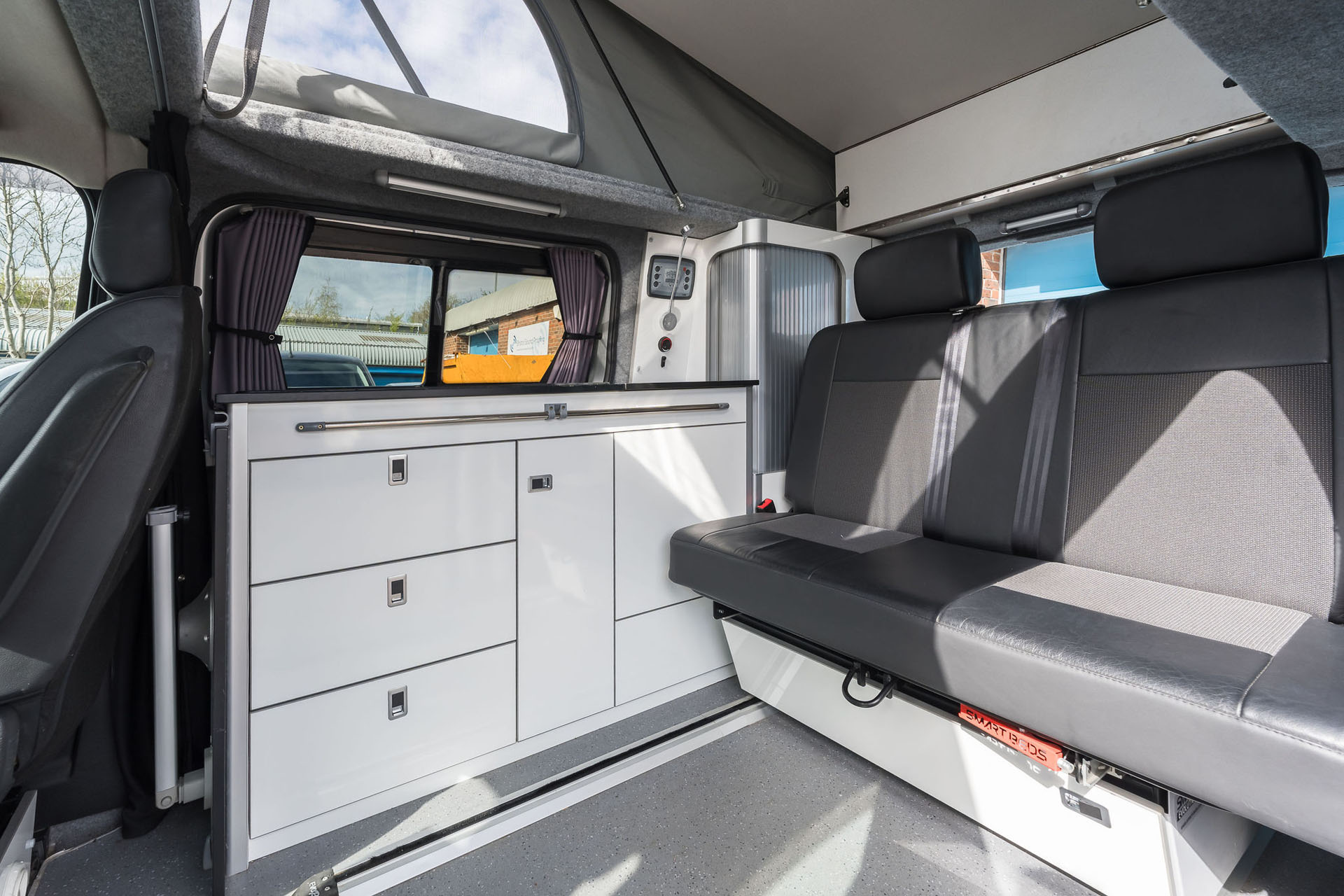
Bespoke Campers


Bhode Vans


Big Blue Camper Co.

Blackline Adventure


Bliss Conversions
Key Facts About Campervan Water Systems
- ✓ A professionally fitted hot and cold water system, including a calorifier and shower, typically costs £1,500–£3,500.
- ✓ Installation of a basic cold-water-only system usually takes a professional one to two days to complete.
- ✓ Professionals pressure-test all plumbing connections, often to 30 PSI, to guarantee a leak-free system unlike many DIY builds.
- ✓ Most systems use a 12V diaphragm pump paired with an accumulator tank to provide smooth, consistent water pressure at the tap.
- ✓ Underslung tanks free up valuable interior space but require robust chassis mounting and insulation to prevent freezing.
- ✓ Properly installed plumbing is critical to prevent slow leaks, which cause hidden rot in the vehicle's timber subfloor.
Why Choose Professional Campervan Water Systems?
Going pro with your water system is about preventing one thing: leaks. A slow, hidden drip is the fastest way to rot a van's subfloor and create a serious mould problem. Professionals avoid this by pressure testing the entire system to a specific PSI, a step revealing imperfections impossible to spot by just running the tap. They also understand system design, like pairing the right accumulator tank with a pump to stop pulsing or specifying PEX-A pipe for its freeze-thaw resistance. This means you get a reliable, leak-free setup from day one, saving you from the catastrophic cost of ripping out cabinets to fix a failed DIY joint.
When vetting a specialist, ask direct questions about their process. Enquire how they pressure test, what pipe and fittings they prefer, and why they chose them for a vehicle. A great installer will explain using crimp fittings over push-fits in high-vibration areas. Ask to see photos of their plumbing; look for neat, well-supported pipe runs, not a chaotic jumble. A major red flag is any hesitation to discuss methods. For most panel van builds, a complete fresh and grey water system costs between £800 and £2,500 and takes one to three days, depending on components like water heaters.
CamperBrain helps you move beyond just finding a local garage. Use the platform to directly compare the quality of work between specialists. Scrutinise their photo galleries for evidence of tidy plumbing and secure tank installations, then read reviews for comments on long-term reliability. As a result, you can send quote requests to a shortlist of builders you have already vetted, asking them critical questions about their process. This transforms the search from a gamble into an informed decision, connecting you with a professional whose expertise matches your project's demands.
Find Campervan Water Systems Specialists by Location
North West England
Yorkshire and the Humber
West Midlands
South East England
East Midlands
Frequently Asked Questions
What does a campervan water system installation include?
How much does a professional water system installation cost?
How long does it take to install a campervan water system?
Is installing a campervan water system a good DIY job?
What vans are suitable for a full water system?
What are the benefits of a professionally installed water system?
How can I find a good campervan water system specialist?
What indicates a high-quality water system installation?
Related Services
Expert Insights
"For most builders, a 12V diaphragm pump from a brand like Shurflo is the standard. Pairing it with a small accumulator tank stops the pump from cycling and provides much smoother water flow."
"The biggest mistake is using cheap vinyl tubing which can kink and affect water taste. In practice, spending extra on 12mm PEX pipe with push-fit connectors saves countless headaches from future leaks."
"Expect a professional water system installation to cost between £800 and £2,500. This range reflects the difference between a simple cold-water tap and a complex setup with a gas water heater."
"Tank placement is a critical decision. While internal tanks are easier to protect from frost, an underslung tank frees up valuable cabinet space, a common choice for most Transit-based builds."
Ready to Get Started with Campervan Water Systems?
Get free, no-obligation quotes from verified specialists. Compare prices and reviews to find the perfect match for your project.
Get Free Quotes