Wheelchair Accessible Campervans Specialists
The UK's most comprehensive directory of wheelchair accessible campervans specialists. 12 verified companies, independently rated and reviewed.

Added byJoe Tannorella··
ONE sentence,
Find Your Perfect Converter
No obligation • Compare multiple quotes
Best Wheelchair Accessible Campervans Specialists
Ranked by verified Google ratings and customer reviews. We track 12 companies offering wheelchair accessible campervans across the UK — here are the highest rated.

Limitless Campers
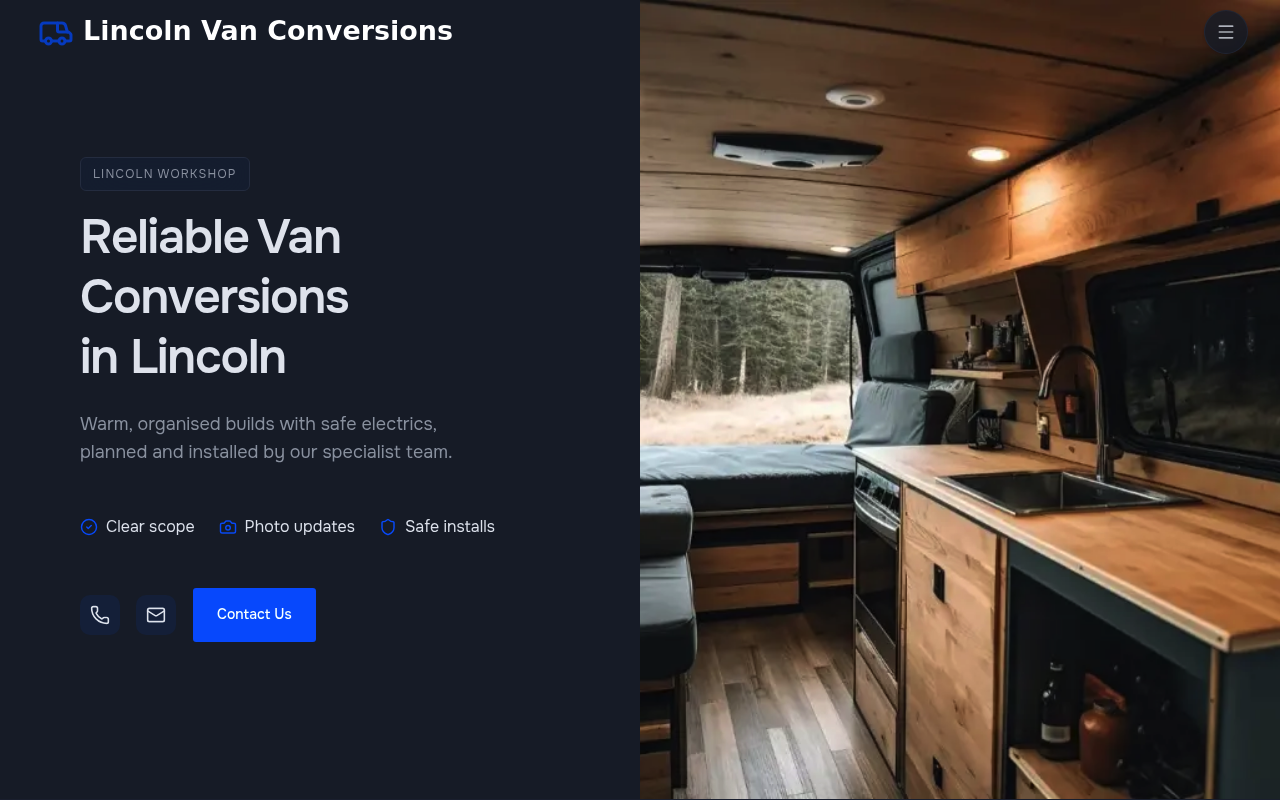
Lincoln Van Conversions

Middlesex Motorcaravans Ltd


Rapid Repair

TourVan
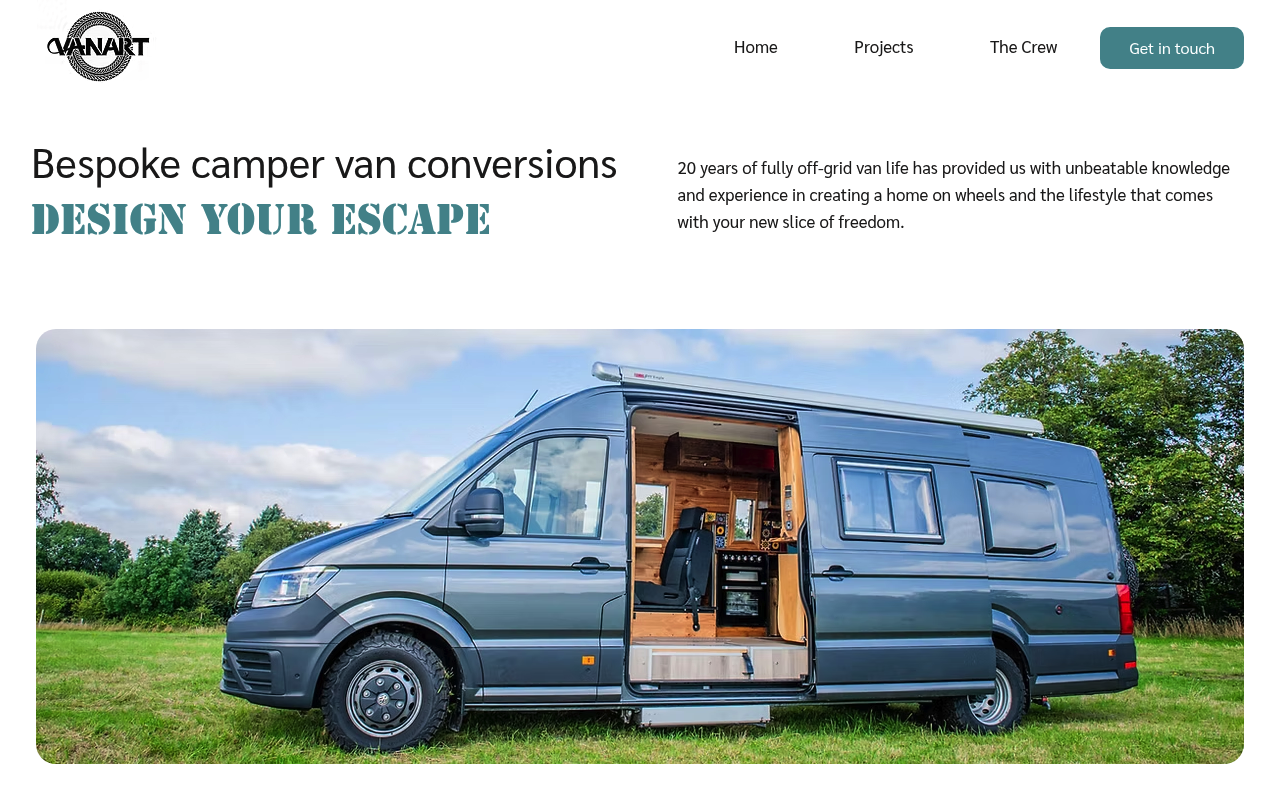
VANART
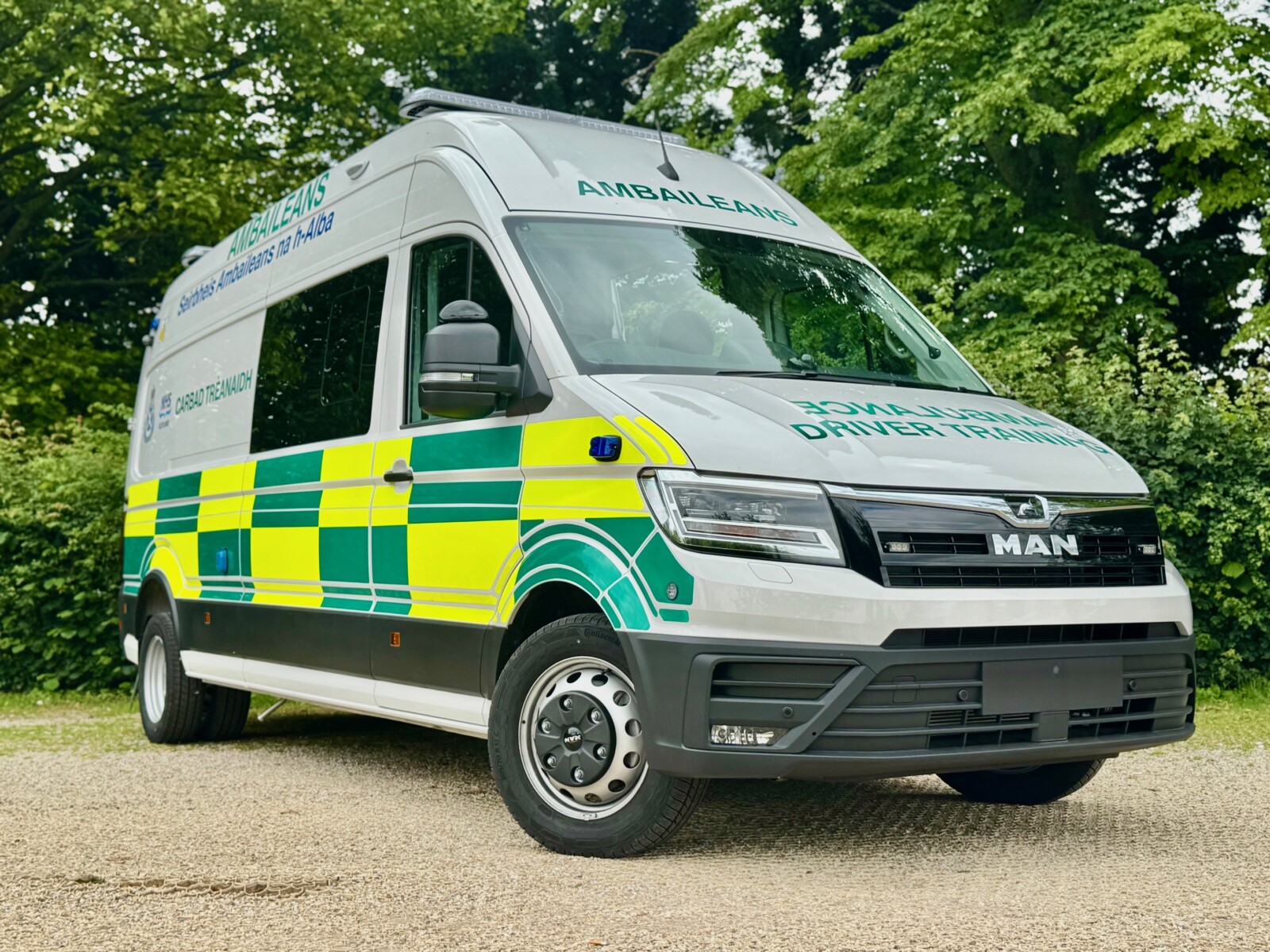
CoTrim Van Conversion Centre
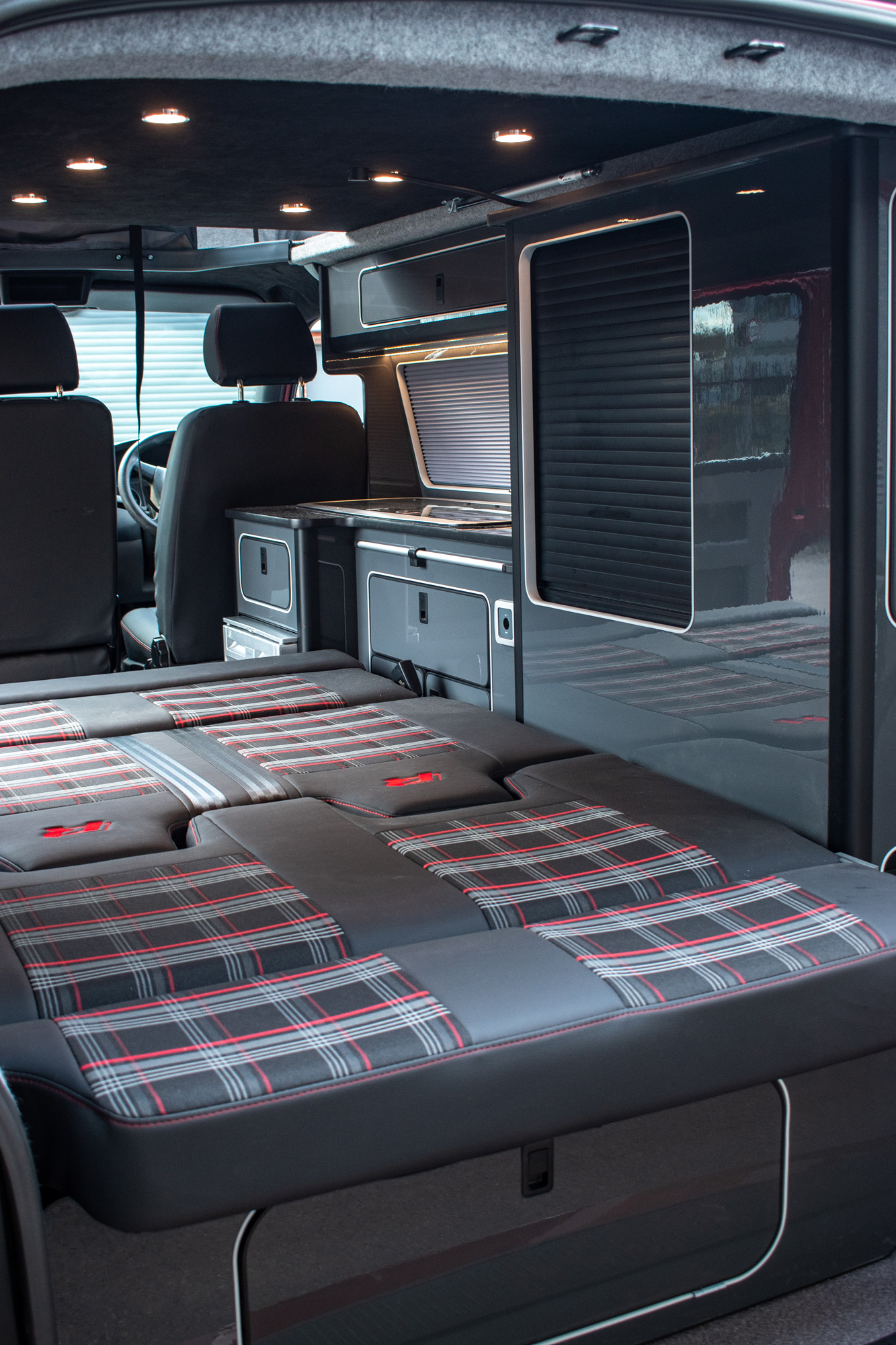
Revamp Campervans

Mark's Transport Group


Marks Transport Group


Vic Young


GM Coachwork
Key Facts About Wheelchair Accessible Campervans
- ✓ Mobility conversions demand serious structural changes. This means specialists widen doors, lower worktops, and install robust mechanical lifts for total independence.
- ✓ Professional accessibility adaptations generally cost between £5,000 and £15,000 depending on system complexity. In practice, automated under-vehicle lifts cost more.
- ✓ Fitting specialized mobility equipment takes serious time. As a result, experts spend four to eight weeks meticulously reinforcing floors for hoists.
- ✓ Professionals properly install and legally certify complex crash-tested tie-downs for securing heavy electric wheelchairs. For most builders, DIY attempts prove fatal.
- ✓ Buyers must choose between ramps and mechanical lifts. Ultimately, this crucial entry decision completely dictates the interior campervan floorplan layout.
- ✓ CamperBrain currently lists 11 certified specialists who design highly customized mobility-friendly vehicle layouts. Therefore, finding qualified help remains straightforward.
Why Choose Professional Wheelchair Accessible Campervans?
DIY mobility builds usually fail at the basic floor plan. Professional converters install crash-tested tracking directly into the bare metal chassis, ensuring the setup withstands extreme vehicle forces. This means a heavy powerchair stays firmly anchored during an emergency stop. Standard plywood floors shatter under that pressure. Experts also master the complex weight distribution required for heavy medical gear. Adding a 150kg under-vehicle cassette lift drastically alters how the suspension handles on tight corners. As a result, seasoned mechanics upgrade the rear leaf springs to prevent dangerous sagging or unpredictable body roll.
Buyers must grill potential builders about off-grid electrical calculations. Life-saving medical devices like oxygen concentrators and ceiling hoist motors demand massive campervan leisure battery banks to function safely away from campsites. Watch out for mechanics suggesting standard folding aluminum ramps for heavy powerchairs. Those steep inclines destroy motors. In practice, a reliable mobility refit takes eight to twelve weeks. Simple adaptations involving basic floor tracks and manual ramps cost roughly £3,000 to £5,000. Conversely, full accessibility overhauls featuring lowered floors, widened side doors, and automated hydraulic lifts easily run £15,000 to £25,000.
CamperBrain eliminates the intense frustration of sourcing qualified mobility engineers. The platform connects owners directly with verified experts who actually understand complex wheelchair turning circles and custom doorway widening. Users filter search results quickly. This lets buyers locate regional shops equipped to handle highly specific medical requirements without endless phone calls. For most travelers, this prevents wasting weeks negotiating with standard campervan full conversion companies who completely lack structural safety certifications. Relying on an experienced network ensures a legally compliant campervan built for true independence.
Find Wheelchair Accessible Campervans Specialists by Location
North West England
Yorkshire and the Humber
West Midlands
East Midlands
South East England
Frequently Asked Questions
What exactly is a wheelchair accessible campervan conversion?
How much does a wheelchair accessible campervan conversion cost?
How long does a wheelchair accessible campervan conversion usually take?
Can I build a wheelchair accessible campervan entirely by myself?
What vans are suitable for a wheelchair accessible campervan conversion?
What are the main benefits of wheelchair accessible campervans?
How do I find a reliable wheelchair accessible campervan specialist?
What should I look for in a wheelchair accessible campervan provider?
Related Services
Expert Insights
"Underslung tail lifts cost around £2,000 to £3,500 fitted. This means you save precious interior floor space compared to bulky internal cassette lifts. These robust systems handle up to 350kg easily."
"Designers need an absolute minimum aisle width of 750mm. In practice, building a truly accessible layout requires a wider base vehicle like a Fiat Ducato. Narrower vans simply create frustrating bottlenecks."
"Roll-in wet rooms demand custom fiberglass trays. For most builders, creating a seamless waterproof floor takes three to five days of intensive labor. Standard off-the-shelf shower pans quickly crack under wheelchair point loads."
"Floor tracking systems secure the chair during transit. As a result, fitters must bolt these aluminum rails directly to the vehicle chassis using M8 high-tensile bolts. Skipping this step risks catastrophic failure."
Ready to Get Started with Wheelchair Accessible Campervans?
Get free, no-obligation quotes from verified specialists. Compare prices and reviews to find the perfect match for your project.
Get Free Quotes