Campervan Gas Hobs & Cookers Specialists
The UK's most comprehensive directory of campervan gas hobs & cookers specialists. 244 verified companies, independently rated and reviewed.

Added byJoe Tannorella··
Reviewed and verified for accuracy
Find Your Perfect Converter
No obligation • Compare multiple quotes
Best Campervan Gas Hobs & Cookers Specialists
Ranked by verified Google ratings and customer reviews. We track 244 companies offering campervan gas hobs & cookers across the UK — here are the highest rated.


Advanced Auto Conversions Ltd
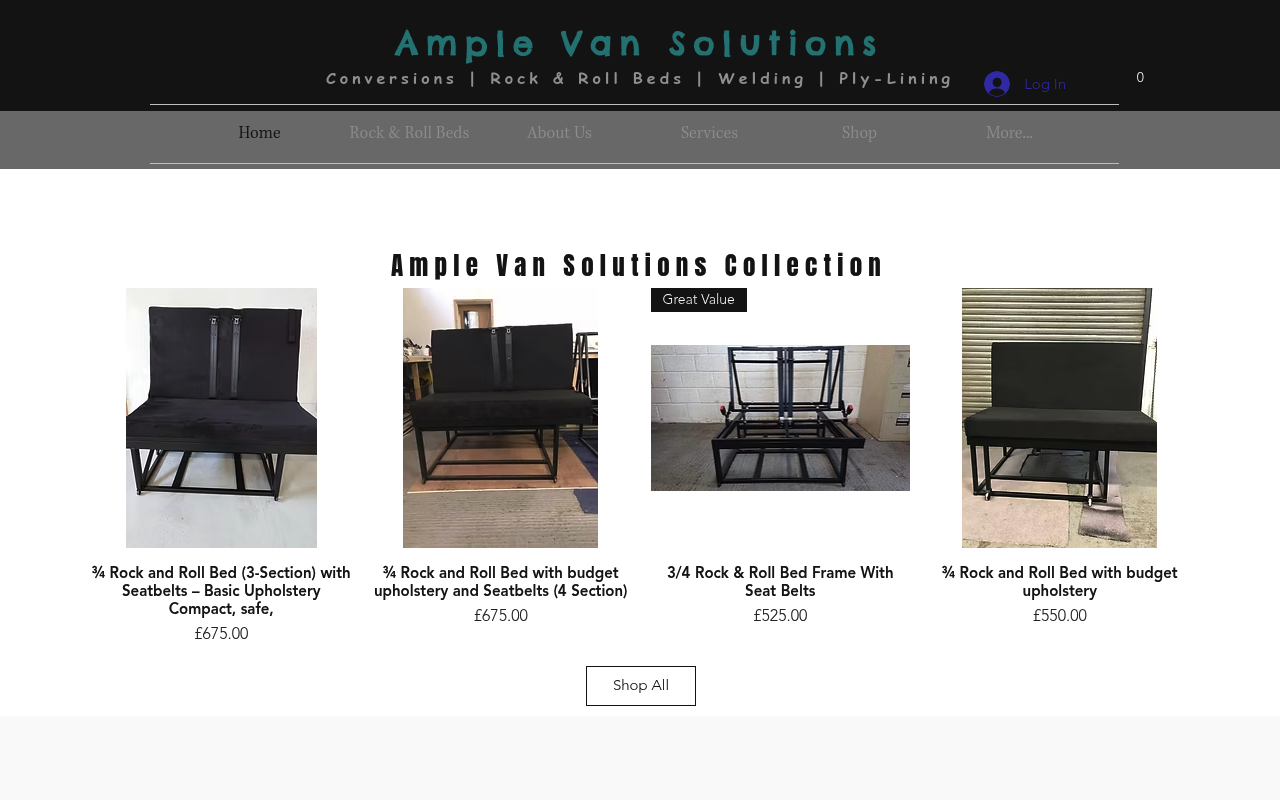
Ample Van Solutions


Atlas Sporthomes ltd

AV Camper Conversions
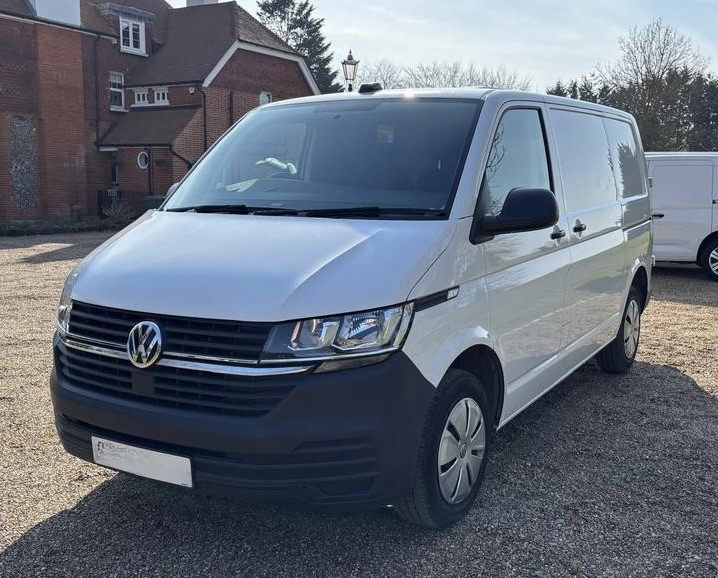

Bath VW Campers

Bearwood Campers
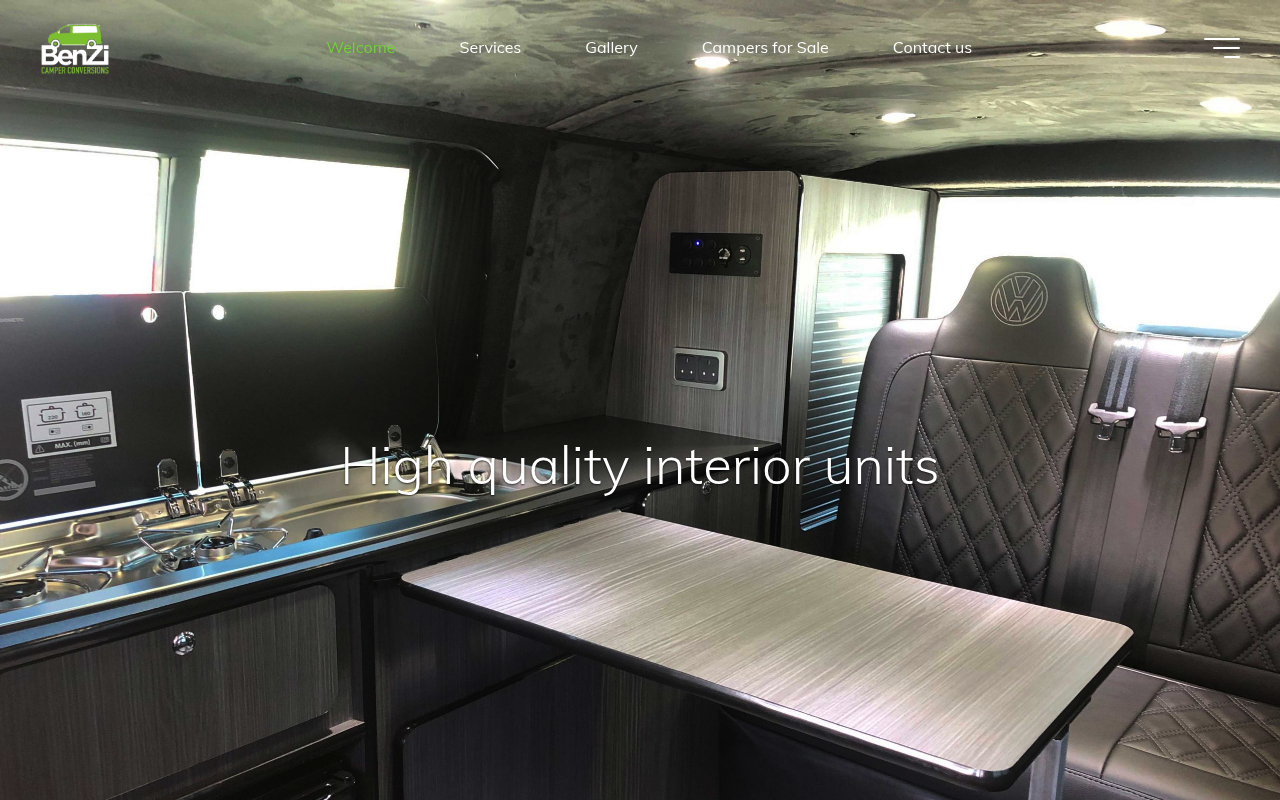

Benzi Camper Conversions
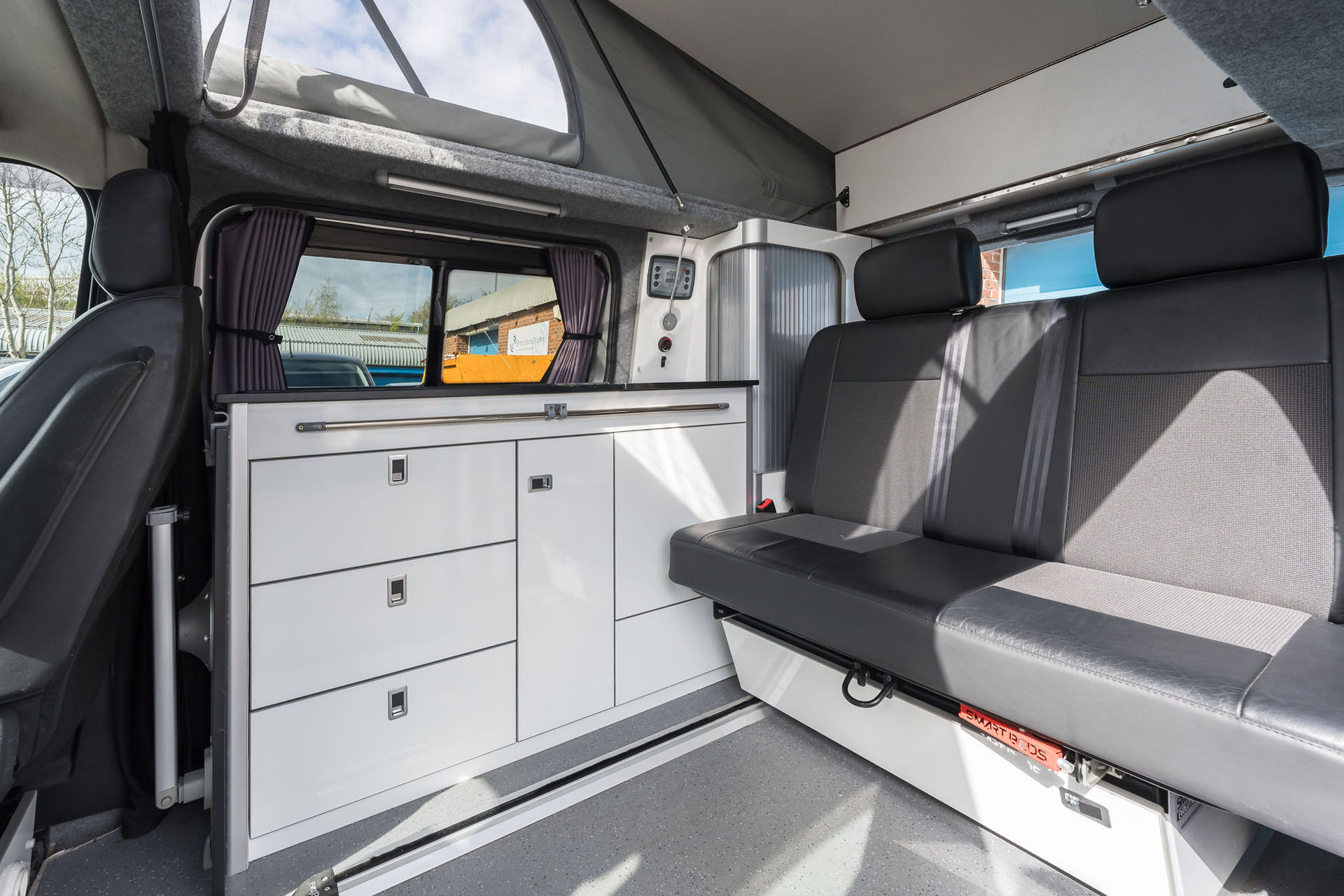
Bespoke Campers


Big Blue Camper Co.

Blackline Adventure


Blake Autos HardCore Campers
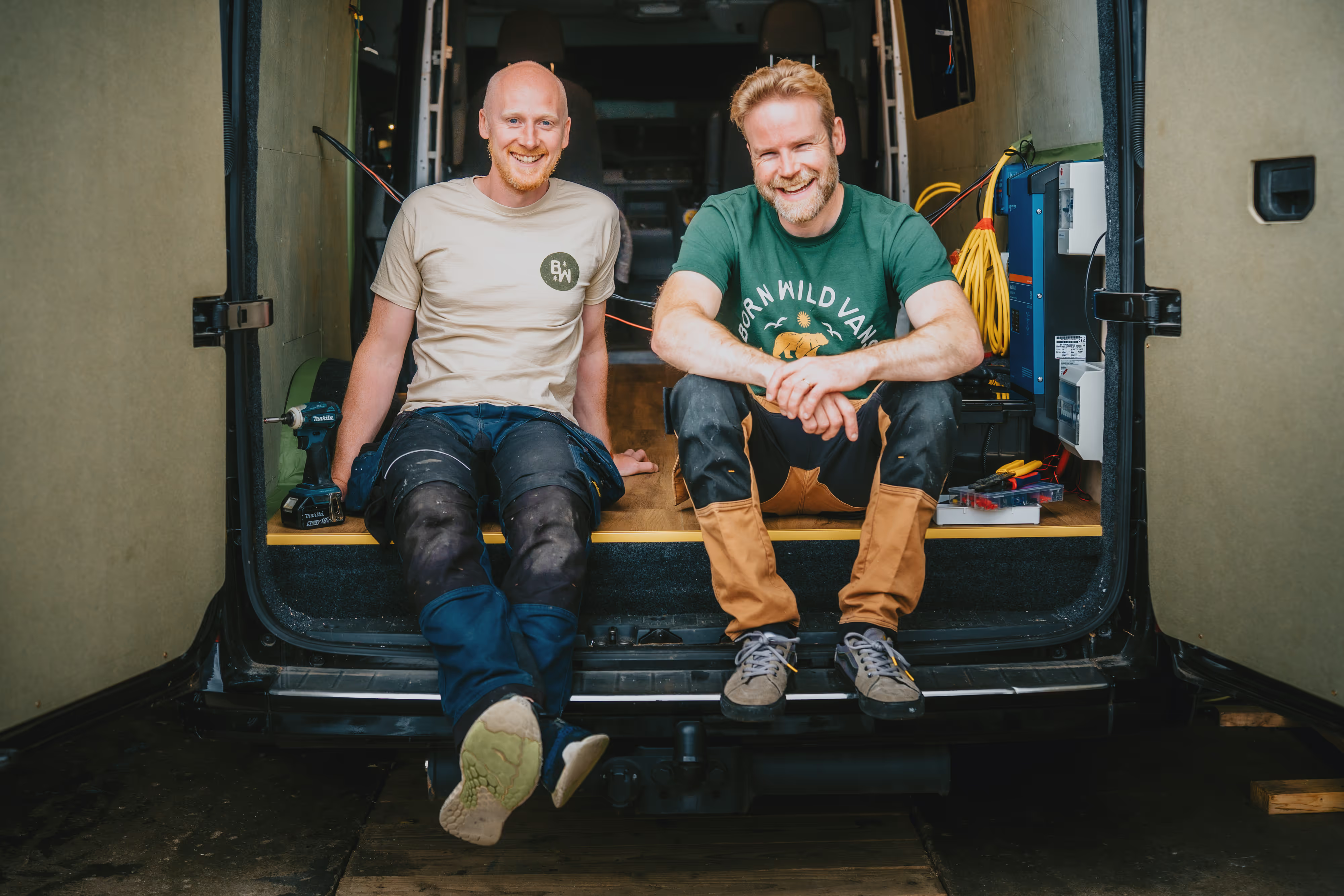

Born Wild Vans
Key Facts About Campervan Gas Hobs & Cookers
- ✓ A professional hob and locker installation costs £750–£2,200, a job typically completed in one to three days.
- ✓ Professionals issue a gas safety certificate after a tightness test, which is essential for insurance and many campsites.
- ✓ The work involves fitting a sealed gas locker vented through the floor and running secure copper pipework.
- ✓ Options range from simple two-burner hobs to full ovens with grills.
- ✓ Proper installation is critical in a vehicle, using vibration-resistant fittings to prevent dangerous gas leaks on the move.
- ✓ Flame failure devices are a key safety feature, automatically cutting the gas supply if a burner's flame goes out.
Why Choose Professional Campervan Gas Hobs & Cookers?
Getting your gas system wrong is one of the few DIY mistakes that can be lethal. A certified professional doesn't just connect your hob; they install a fully compliant system with correct ventilation, secure pipe runs, and a pressure test to guarantee it's leak-free. This means you receive a landlord-style Gas Safe certificate, a document increasingly required by insurers and campsites. In practice, a professional installation protects you from the silent dangers of carbon monoxide and explosive leaks, risks that are simply too high to take with an amateur setup. For most builders, the peace of mind from a signed-off, safe system is worth every penny.
When vetting a specialist, ask if they are Gas Safe registered specifically for LPG in Leisure Accommodation Vehicles (LAV), which is a distinct qualification from domestic gas work. A true expert will happily show you their credentials and a portfolio of neat, secure installations. Look for tidy copper pipework, properly sealed gas lockers that vent externally, and correctly installed drop-out vents. Red flags include installers who are evasive about their qualifications or suggest skipping a safety certificate. A complete hob and gas locker installation typically takes one to three days and costs between £800–£2,500, depending on the appliance and the complexity of your build's layout.
Finding a qualified engineer who understands the unique constraints of a vehicle can be a challenge. CamperBrain streamlines this process by connecting you with vetted specialists who focus on these installations. The platform allows you to compare local experts, read reviews from other builders, and see examples of their work before making contact. This helps you find a technician who not only holds the correct LPG certifications for mobile environments but also has proven experience fitting cookers into builds just like yours. As a result, you can confidently commission a safe, reliable, and professional gas system for your campervan kitchen unit.
Find Campervan Gas Hobs & Cookers Specialists by Location
North West England
Yorkshire and the Humber
West Midlands
South East England
East Midlands
Frequently Asked Questions
What is the campervan gas hobs and cookers service?
How much does a campervan gas hob installation cost?
How long does it take to fit a campervan cooker?
Can I install a gas hob in my campervan myself?
What vans are suitable for a gas hob installation?
What are the benefits of a proper gas cooker setup?
How do I find a campervan gas installation specialist?
What should I look for in a quality gas installation provider?
Related Services
Expert Insights
"Don't skip on safety. A certified gas installation, including a proper gas locker and drop-out vents, is non-negotiable for insurance. For most builders, this means budgeting £800–£2,500 for a professional, certificated fit-out."
"Think hard about your cooking style. A simple two-burner hob like the Thetford Topline 922 saves immense counter space and gas. In practice, a full oven/grill combo often becomes an expensive storage cupboard in most Transit-based conversions."
"Always choose manual ignition over a piezo system. While convenient, piezo igniters are a common failure point due to constant road vibrations. As a result, packing a simple long-nosed lighter proves far more reliable for life on the road."
"Your gas choice dictates performance. Propane is the superior all-season fuel as it vaporises down to -42°C, unlike butane which struggles below freezing. This means pairing your system with a 30mbar regulator is essential for consistent cooker output."
Ready to Get Started with Campervan Gas Hobs & Cookers?
Get free, no-obligation quotes from verified specialists. Compare prices and reviews to find the perfect match for your project.
Get Free Quotes