Campervan Grey Water Tanks Specialists
The UK's most comprehensive directory of campervan grey water tanks specialists. 61 verified companies, independently rated and reviewed.

Added byJoe Tannorella··
Reviewed and verified for accuracy
Find Your Perfect Converter
No obligation • Compare multiple quotes
Best Campervan Grey Water Tanks Specialists
Ranked by verified Google ratings and customer reviews. We track 61 companies offering campervan grey water tanks across the UK — here are the highest rated.
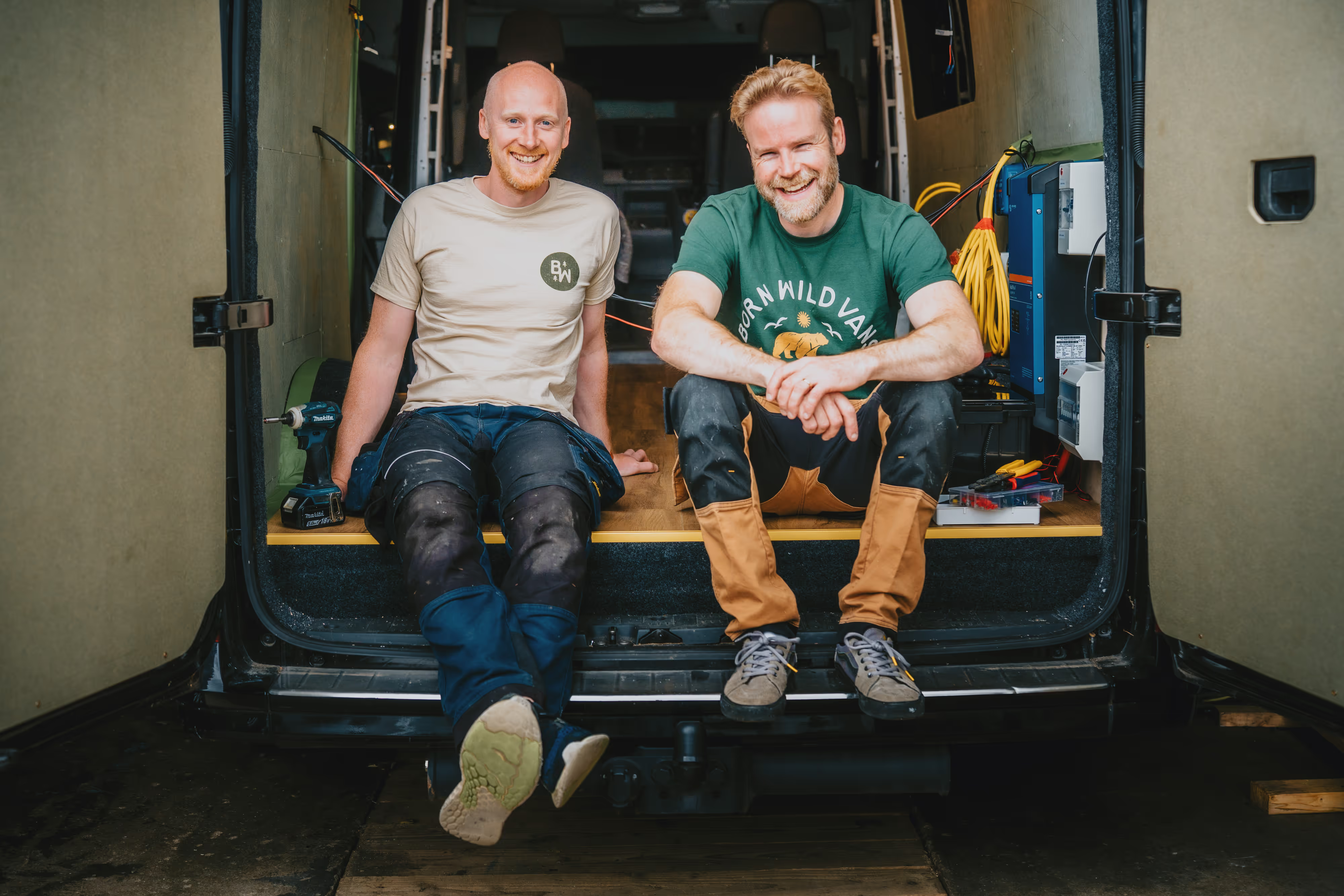

Born Wild Vans


Character Campers


Country Road Campers

DR Campervan Conversions

Eternity Campers


Jones Camper Vans
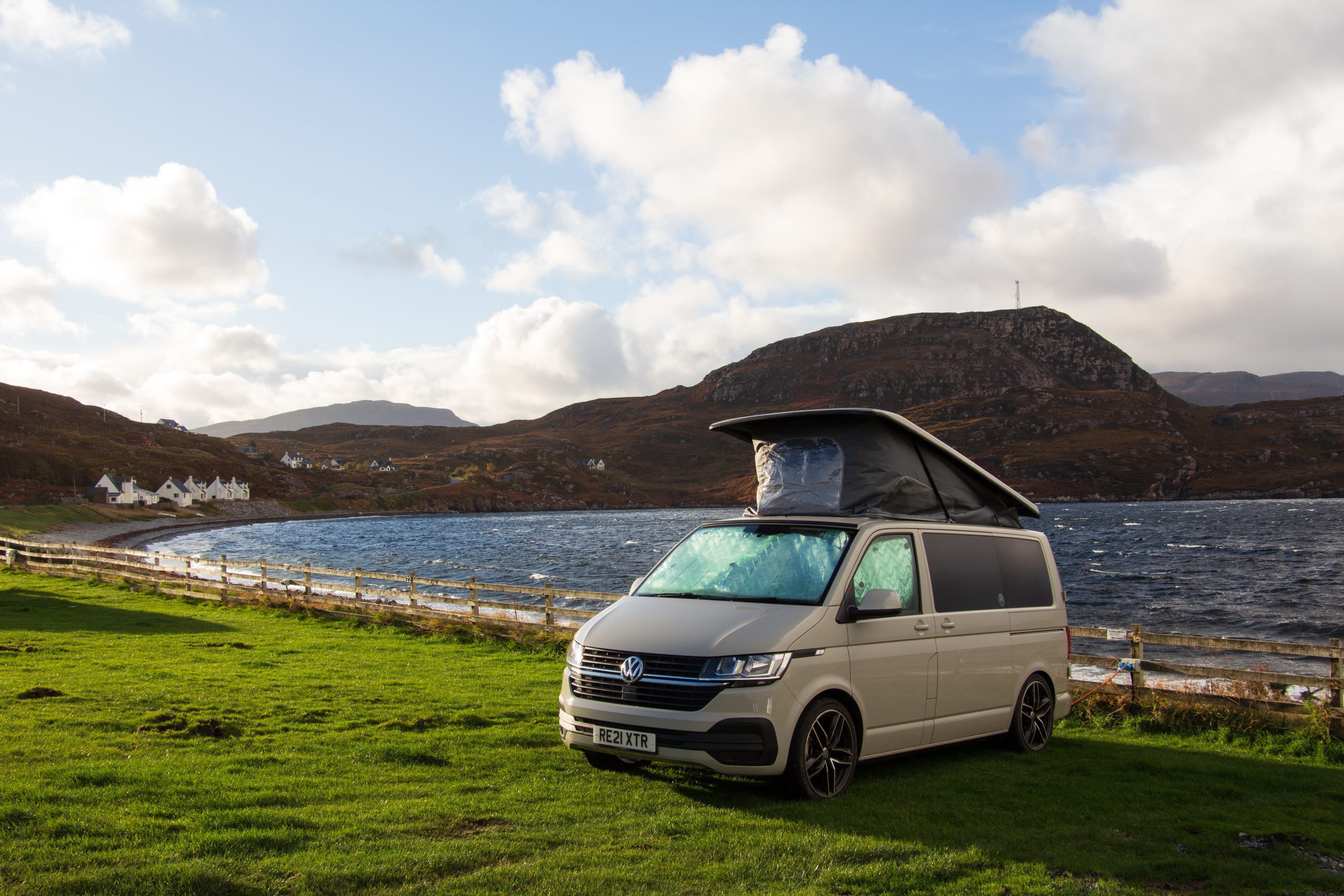

Juice Van Designs
Lincoln Van Conversions

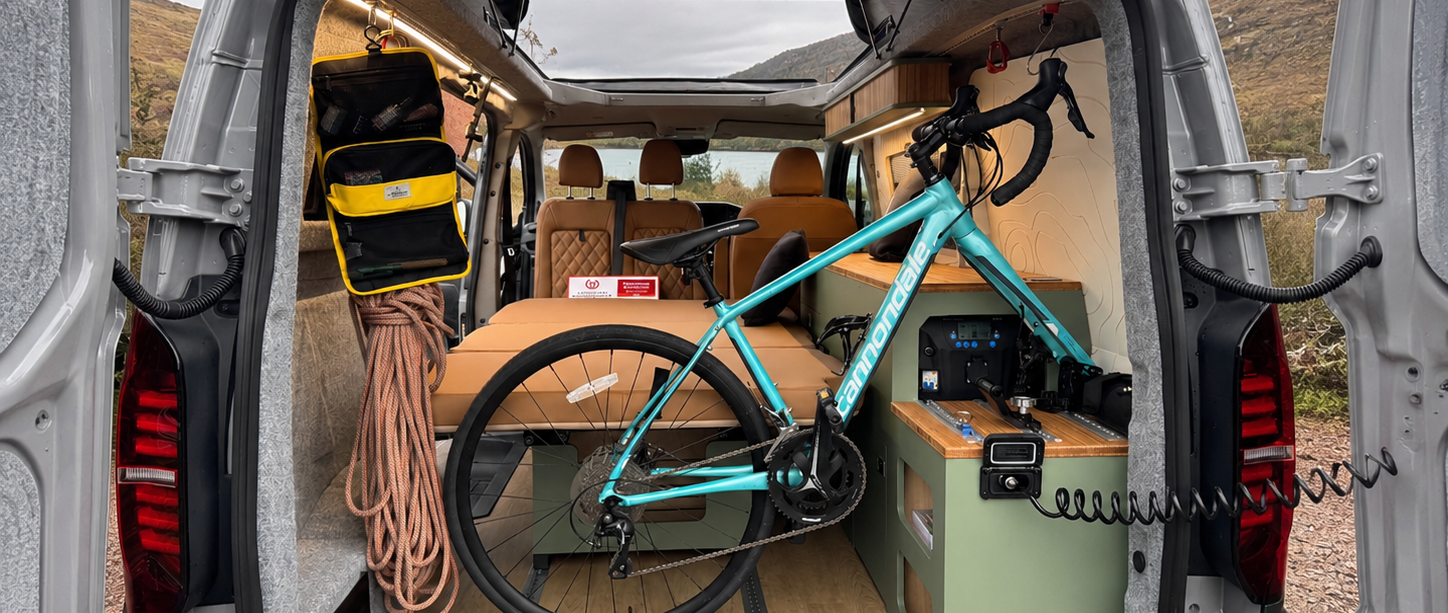
Maverick Outdoors


Northern Conversions
Pratt's Campervans

Roam Campervans
Key Facts About Campervan Grey Water Tanks
- ✓ A professional fits an underslung tank, plumbs all waste outlets, and installs a secure drainage tap for disposal.
- ✓ A fully fitted grey water system costs between £800 and £2,500, depending on tank size and added features.
- ✓ Installation takes one day for a simple internal tank, but a complex underslung system requires two to three days.
- ✓ Professionals fabricate custom brackets for a secure underslung fit, a skill most DIY builders lack for chassis work.
- ✓ Key options include insulated and heated tanks for winter use, which prevents frozen pipes and enables four-season travel.
- ✓ A dedicated tank is essential for self-containment, a requirement for many UK campsites and responsible wild camping.
- ✓ Buyers can choose a remote-controlled electric drain valve over a manual tap for much easier and cleaner emptying.
Why Choose Professional Campervan Grey Water Tanks?
Going the DIY route on a grey water tank is a huge gamble. Leaks are the biggest risk, causing hidden rust and rotting your van's flooring from underneath. A professional installer understands vehicle-specific challenges. They know exactly where to drill through the chassis without hitting brake lines and how to fabricate brackets that won't fail on a bumpy track. In practice, this means your tank is securely mounted and angled perfectly to drain completely, preventing stagnant water and nasty smells from building up over time.
When vetting a specialist, ask to see photos of their previous underslung installations. Look for tidy pipe runs and robust, rust-proofed mounting brackets. Ask them what type of tank they recommend for your specific build and how they plan to insulate it for winter camping. A major red flag is any installer who suggests using standard household plumbing parts, as these will inevitably crack from road vibrations. They should also be able to explain their drainage system, from a simple manual tap to a remote-operated electric ball valve.
A complete, professionally fitted grey water system typically costs £800–£2,500. The final price depends on tank size, insulation, and the complexity of the plumbing. For most builders, the job takes one to three days from start to finish. Instead of guessing, CamperBrain lets you find vetted installers who specialise in these systems. You can review portfolios of their past work, read detailed customer feedback, and request quotes tailored to your vehicle, ensuring you connect with a builder who has proven experience with your type of conversion.
Find Campervan Grey Water Tanks Specialists by Location
North West England
Yorkshire and the Humber
West Midlands
South East England
East Midlands
Frequently Asked Questions
What exactly is a grey water tank system for a van?
How much does a grey water tank installation cost?
How long does it take to fit a grey water system?
Can I install a grey water tank system myself?
What vans are grey water tanks suitable for?
What are the benefits of a proper grey water system?
How do I find a grey water tank installation specialist?
What should I look for in a quality grey water installation?
Related Services
Expert Insights
"For optimal balance and space, an underslung grey tank is non-negotiable; aim for a capacity matching your fresh water tank, typically 70-90 litres for most medium-wheelbase builds."
"Prioritize high-density polyethylene (HDPE) for your tank. In practice, cheaper alternatives often crack below 0°C, while a quality baffled tank will prevent sloshing and last for years."
"A professionally fitted underslung system costs £800–£2,500. This typically covers one to two days' labour, ensuring all chassis mounts are secure and penetrations are perfectly sealed."
"To prevent freezing, install a 12V heating element on the tank and outlet tap; for most builders, this is a far more reliable solution than relying on antifreeze additives."
Ready to Get Started with Campervan Grey Water Tanks?
Get free, no-obligation quotes from verified specialists. Compare prices and reviews to find the perfect match for your project.
Get Free Quotes