Campervan Roof Vents & Fans Specialists
The UK's most comprehensive directory of campervan roof vents & fans specialists. 105 verified companies, independently rated and reviewed.

Added byJoe Tannorella··
Reviewed and verified for accuracy
Find Your Perfect Converter
No obligation • Compare multiple quotes
Best Campervan Roof Vents & Fans Specialists
Ranked by verified Google ratings and customer reviews. We track 105 companies offering campervan roof vents & fans across the UK — here are the highest rated.
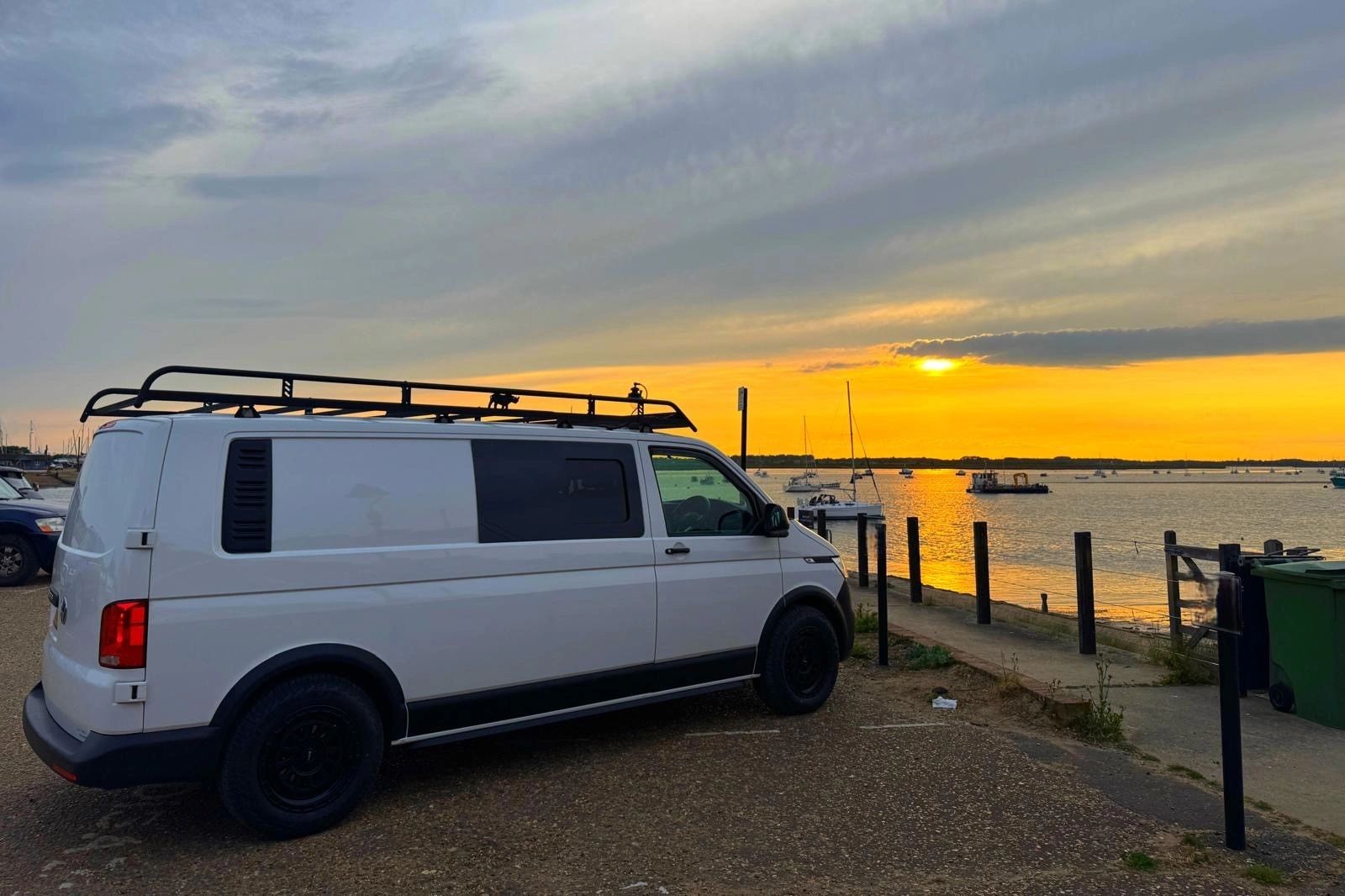

Bijoux Campers
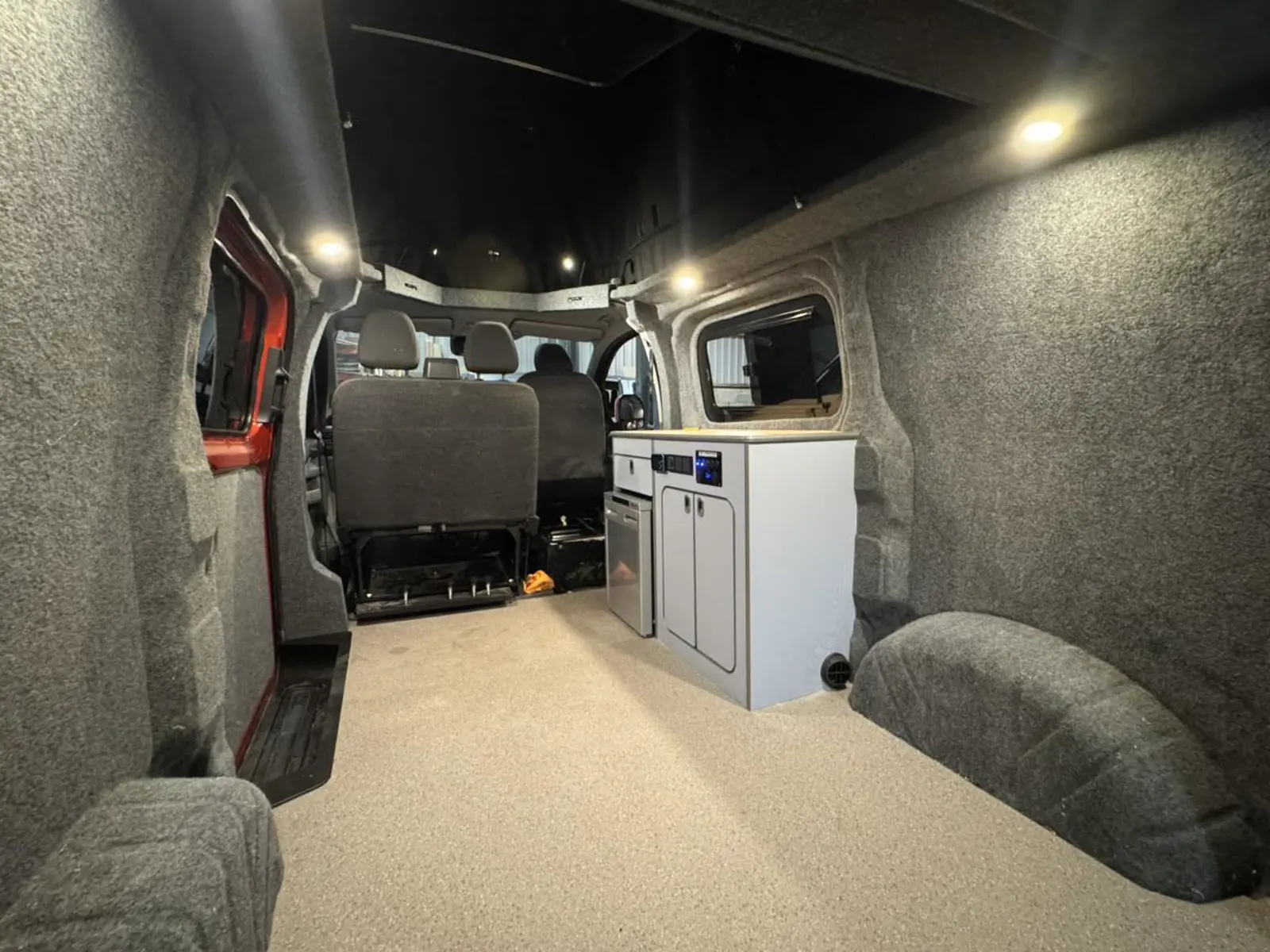
AB Campers


Albatross Conversions

Ample Van Solutions


Born Wild Vans
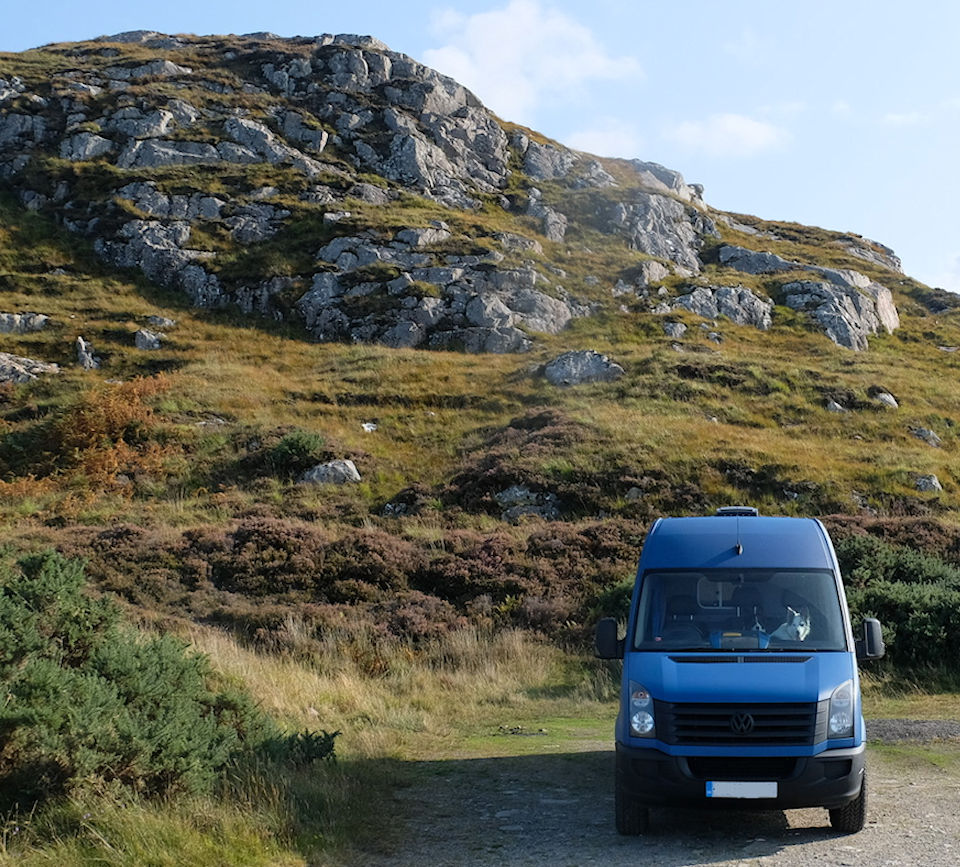
Bowland Camper Conversions

Campers4journeys


CamperWorx Ltd


Character Campers

Classic & Custom Autoelectrics


Country Road Campers

Freedom Van Conversions
Key Facts About Campervan Roof Vents & Fans
- ✓ Professional fitting includes a precise roof cut, rust-proofing exposed metal, and creating a durable, multi-layer waterproof seal.
- ✓ A quality powered fan, like a MaxxFan, costs £550–£950 fully fitted, including all wiring and consumables.
- ✓ A single fan installation is typically a full day's work, ensuring sealants can properly cure before the vehicle moves.
- ✓ Specialists achieve a lasting waterproof seal on tricky ribbed roofs using jigs for clean cuts and correct non-setting sealants.
- ✓ Key options include basic vents for passive airflow or powered, multi-speed fans with rain covers for all-weather use.
- ✓ Proper ventilation is the only way to manage condensation, preventing the damp and mould that quickly ruins interiors.
- ✓ Corrugated roofs on panel vans often require a custom-made mounting adapter to create a flat installation surface.
Why Choose Professional Campervan Roof Vents & Fans?
Cutting a hole in your van’s roof is a one-shot deal. While a DIY fan install seems straightforward, a mistake is costly and permanent. Professionals understand the structural ribs of different models, ensuring they cut in the right place to maintain rigidity. They use specialised tools for a clean opening and meticulously treat the bare metal edge, preventing the rust that can destroy a roof panel over time. In practice, this means avoiding the slow leak that appears months later, often after the interior is built as part of a full campervan conversion. The peace of mind from a guaranteed, weatherproof seal is worth far more than the money saved during a weekend of high-stakes DIY.
When vetting an installer, ask pointed questions. Enquire about the specific sealant they use; a quality polyurethane adhesive like Sikaflex is non-negotiable for a flexible, long-lasting bond. Confirm they will wire the fan to its own fused 12V circuit. A good specialist also builds an internal wooden frame to sandwich the roof, providing a solid mounting surface that prevents the fan housing from cracking under vibration. Be wary of anyone who can't show clear photos of previous installations. Expect a standard MaxxAir install to take half a day and cost between £400 and £700, including the unit itself.
Finding that trusted installer no longer relies on word-of-mouth. CamperBrain simplifies the process by connecting you with vetted specialists whose work has been reviewed by other owners. Instead of cold-calling, you can browse portfolios showcasing their expertise with different vents, from Fiamma crystal domes to powerful extraction fans. The platform lets you compare quotes and verify their specific experience with your base vehicle, whether it's a Sprinter with a ribbed roof or a flat-panelled Ducato. As a result, you can confidently hire a professional who has done the exact job you need, dozens of times before.
Find Campervan Roof Vents & Fans Specialists by Location
North West England
Yorkshire and the Humber
West Midlands
South East England
East Midlands
Frequently Asked Questions
What is a campervan roof vent and fan installation?
How much does fitting a roof vent cost for a campervan?
How long does a roof vent and fan installation take?
Can I just install a campervan roof vent myself?
What vans are roof vents and fans suitable for?
What are the main benefits of a good roof vent?
How do I find a roof vent and fan installation specialist?
What should I look for in a roof vent installation provider?
Related Services
Expert Insights
"The MaxxAir Deluxe is the industry standard because its integrated rain cover permits all-weather ventilation. In practice, a Fiamma Turbo-Vent is a quieter, more affordable alternative, but you must close it when it rains."
"Budgeting £350 to £600 for professional fitting is non-negotiable for a truly leak-proof seal. This investment prevents the destructive water ingress that can quickly ruin a build's interior woodwork and insulation."
"A single fan simply extracts stale air; two fans create a powerful air circuit. For most medium-wheelbase builds, this system actively pulls cool air through the living space, dramatically reducing interior temperatures."
"Don't overlook passive ventilation for safety. A simple £40 mushroom vent provides essential low-level airflow for gas drop-out, a requirement that a high-mounted £400 extraction fan cannot fulfill."
Ready to Get Started with Campervan Roof Vents & Fans?
Get free, no-obligation quotes from verified specialists. Compare prices and reviews to find the perfect match for your project.
Get Free Quotes