Campervan Sinks & Taps Specialists
The UK's most comprehensive directory of campervan sinks & taps specialists. 186 verified companies, independently rated and reviewed.

Added byJoe Tannorella··
Reviewed and verified for accuracy
Find Your Perfect Converter
No obligation • Compare multiple quotes
Best Campervan Sinks & Taps Specialists
Ranked by verified Google ratings and customer reviews. We track 186 companies offering campervan sinks & taps across the UK — here are the highest rated.


Advanced Auto Conversions Ltd


Albatross Conversions

AV Camper Conversions

Bearwood Campers
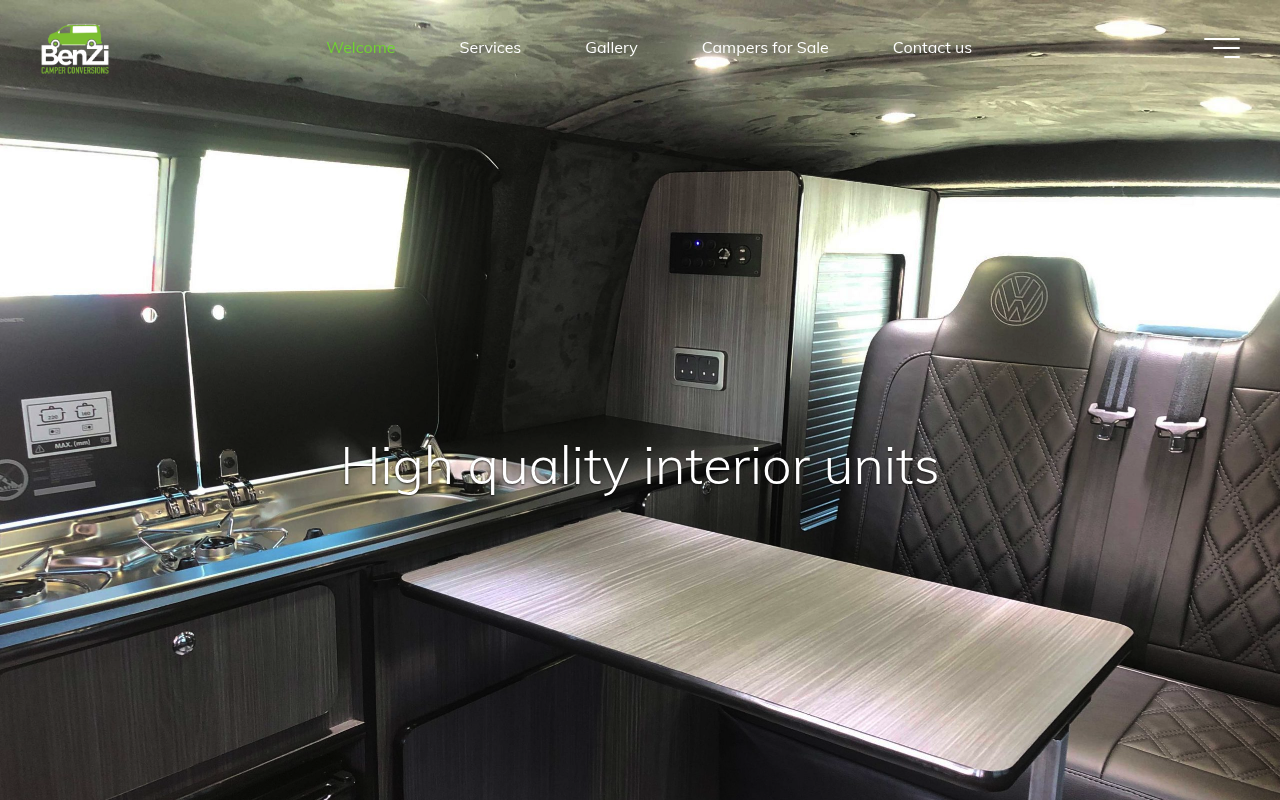

Benzi Camper Conversions


Big Blue Camper Co.

Blackline Adventure


Blake Autos HardCore Campers


Born Wild Vans
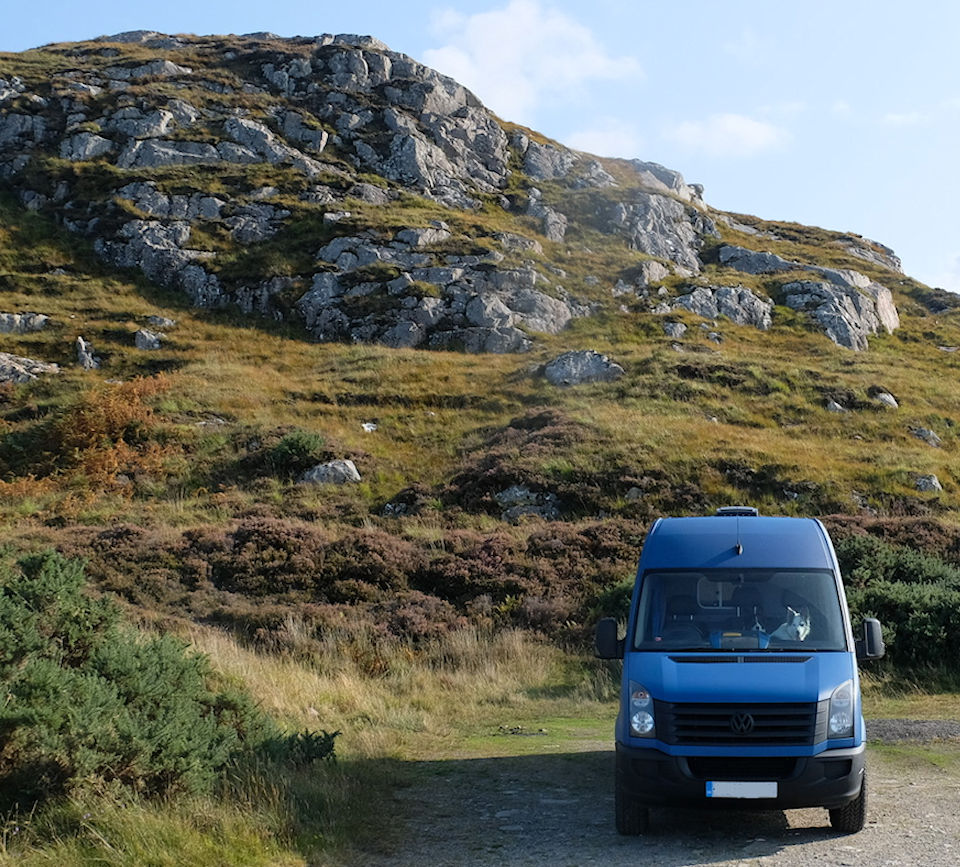
Bowland Camper Conversions


Cam-p-van Leisure Conversions


Camper Conversion Specialists
Key Facts About Campervan Sinks & Taps
- ✓ A professional installation integrates the sink, tap, freshwater lines, and grey water drainage, ensuring a leak-proof system for the road.
- ✓ A professionally fitted sink system typically costs between £600 and £1,800, depending on water heating and overall system complexity.
- ✓ Installation time ranges from one day for a basic cold-water setup to three days for a complex system with a water heater.
- ✓ Specialists use pressure-rated fittings, like John Guest connectors, to prevent slow leaks that can cause unseen damage to a van's structure.
- ✓ Common options include compact folding taps for saving space and durable composite sinks that are lighter than traditional stainless steel.
- ✓ A permanently installed sink is a key DVLA requirement for officially reclassifying a panel van as a 'motor caravan' in the UK.
Why Choose Professional Campervan Sinks & Taps?
Going pro for your sink installation is about preventing future disasters. A DIY plumbing job might look fine, but one poorly sealed joint can cause a slow, silent leak. This leads to rot in your van's timber frame and mould behind panels, a repair that costs far more than the initial fitting. Professionals ensure every connection is watertight and can handle constant road vibration. They use the correct food-grade hosing and create proper drainage gradients in a tight space. In practice, your system works reliably without foul odours from the drain. This provides peace of mind that your plumbing won't fail on the road.
When vetting a specialist, ask questions that reveal true expertise. Ask what 12V water pump they recommend and why; their answer shows if they've considered your power use and noise tolerance. Inquire about their approach to grey water tanks, from fixed underslung options to simple portable containers. A huge red flag is hesitation to show photos of previous plumbing. You are looking for tidy, well-supported pipework and clean wiring. A good fitter can also explain the trade-offs between different sink materials for life on the move. Vague answers or a one-size-fits-all solution suggest you should walk away.
A professional installation typically takes one to three days. A simple cold-water-only sink with a portable waste container is on the shorter end of that scale. Integrating a mixer tap with a hot water system and an underslung grey tank will push it towards the three-day mark. This complexity is reflected in the price, generally falling between £700 and £2,500 for a fully fitted system. CamperBrain simplifies finding the right expert for your budget. The platform lets you directly compare portfolios and read detailed reviews from other van builders. As a result, you can confidently choose a specialist with proven experience for your specific layout.
Find Campervan Sinks & Taps Specialists by Location
North West England
Yorkshire and the Humber
West Midlands
South East England
East Midlands
Frequently Asked Questions
What does fitting a campervan sink and tap actually involve?
How much does a professionally fitted sink and tap system cost?
How long does it take to install a sink and tap system?
Can I just fit a sink and tap system myself?
What are the main benefits of having a proper sink setup?
What should I look for in a quality sink and tap installation?
How do I find the right specialist to fit my sink and tap?
Related Services
Expert Insights
"Budgeting £800–£2,500 for a professionally fitted sink system is a wise move. This investment covers quality components and expert sealing, preventing the hidden leaks that can rot out a van’s subfloor in months."
"For most builders, the choice is between a 12V electric pump and a manual foot pump. In practice, a foot pump provides superior water control, often saving 5-10 litres per day over a standard electric tap."
"Don't sacrifice sink depth for a compact design. A basin less than 15cm deep will splash constantly, whereas a 18-20cm deep model easily contains water while washing a full-size dinner plate."
"A simple microswitched tap, which activates the pump directly, is the most reliable option for most builds. By contrast, a pressurized system with an accumulator offers household-like water flow but adds £100-£200 in complexity."
Ready to Get Started with Campervan Sinks & Taps?
Get free, no-obligation quotes from verified specialists. Compare prices and reviews to find the perfect match for your project.
Get Free Quotes