Campervan Split Charging Specialists
The UK's most comprehensive directory of campervan split charging specialists. 132 verified companies, independently rated and reviewed.

Added byJoe Tannorella··
Reviewed and verified for accuracy
Find Your Perfect Converter
No obligation • Compare multiple quotes
Best Campervan Split Charging Specialists
Ranked by verified Google ratings and customer reviews. We track 132 companies offering campervan split charging across the UK — here are the highest rated.
Ample Van Solutions

Base Campers

BB Vans

Bearwood Campers
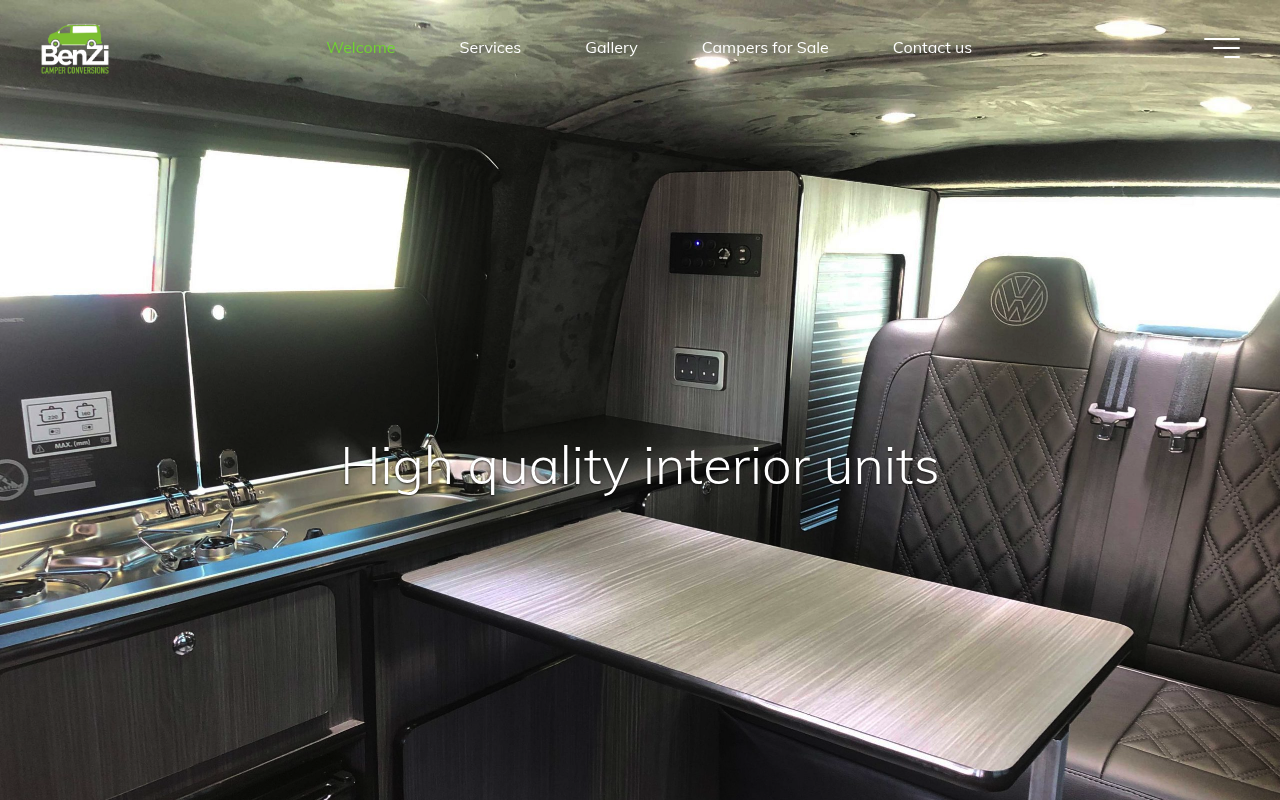

Benzi Camper Conversions


Big Blue Camper Co.
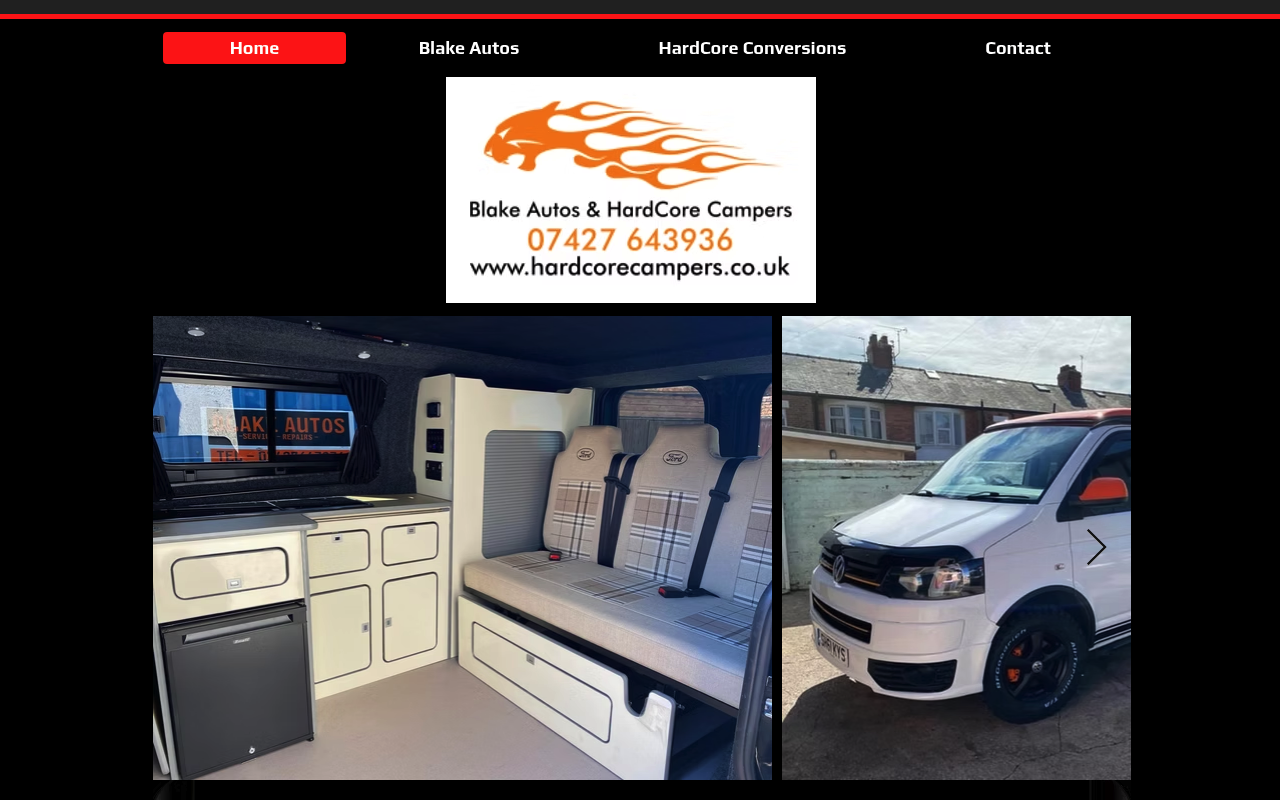

Blake Autos HardCore Campers
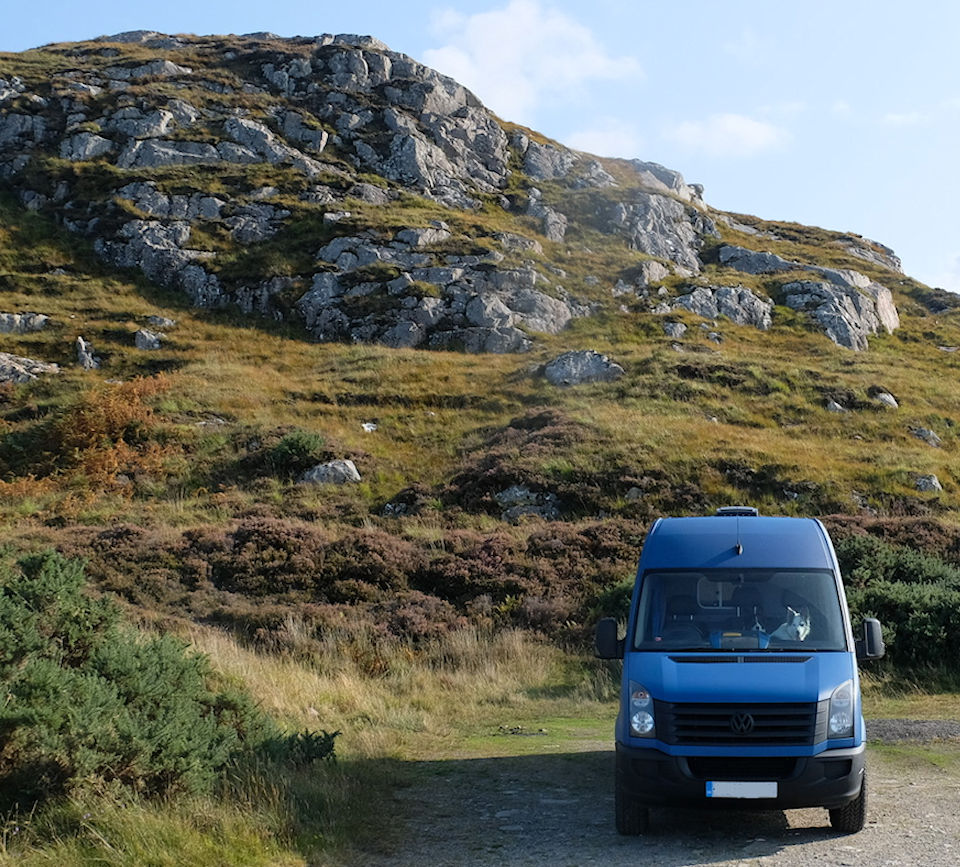
Bowland Camper Conversions

Campers4journeys


Character Campers


Coastal Campers
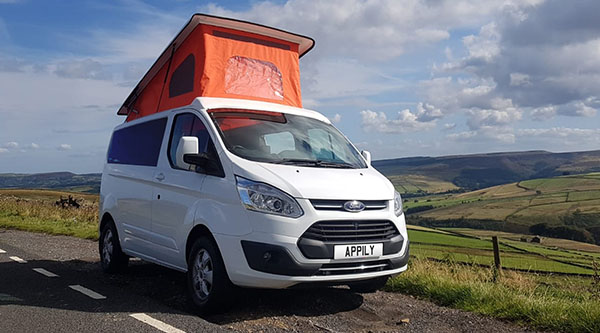

Conversion Shed
Key Facts About Campervan Split Charging
- ✓ Split charging uses the vehicle's engine to recharge leisure batteries, a process best managed by a modern DC-DC charger.
- ✓ A professionally fitted DC-DC charger system costs between £600 and £1,200, depending on charger size and wiring complexity.
- ✓ Installation by a specialist typically requires one full day for correct cable routing, connections, and thorough system testing.
- ✓ Professionals prevent fire risks by using correctly sized cables and fuses, a critical safety detail often missed in DIY installs.
- ✓ Key choices for buyers include the charger's amperage (30A is popular) and models that integrate a solar charge controller.
- ✓ This system turns driving into productive charging, ensuring your leisure batteries are replenished simply by travelling between destinations.
- ✓ Modern Euro 5/6 vans with smart alternators require a DC-DC charger, as older voltage-sensing relays will not work reliably.
Why Choose Professional Campervan Split Charging?
Tackling a split charge system yourself seems straightforward, but modern vans introduce serious complexity. Vehicles with smart alternators, common in Euro 5 and 6 engines, require a specific DC-DC charger to avoid damaging the vehicle's campervan electrical system or undercharging your leisure batteries. A professional installer correctly calculates wire gauge, fuse ratings, and component placement, which is the difference between a reliable power source and a potential fire hazard. In practice, this means they ensure your expensive leisure batteries gets the precise charging profile it needs to last for years, while a simple DIY relay setup might cook a standard battery or fail to charge it at all.
When vetting an installer, ask about their experience with your specific base vehicle. A good specialist will ask you detailed questions about your power consumption, battery bank size, and future plans before recommending a specific DC-DC charger. Be wary of anyone who gives a price without understanding your needs or who cannot explain their wiring and fusing strategy. For most builds, a professionally installed alternator charging system costs between £800 and £2,500, with the work taking one to three days. This investment covers the high-quality components and the expertise needed to integrate the system safely with the van’s sensitive electronics, including the CAN bus network.
Finding a qualified technician with this level of expertise is the main challenge. CamperBrain simplifies this process by connecting you directly with specialists who focus on off-grid electrical systems. The platform allows you to filter installers by location and service, then examine their project galleries and read verified customer reviews. As a result, you can quickly identify professionals who have a proven track record with systems like yours. This enables you to gather multiple, detailed quotes from vetted companies, ensuring you find the right partner to build a safe and dependable power system for your adventures.
Find Campervan Split Charging Specialists by Location
North West England
Yorkshire and the Humber
West Midlands
South East England
East Midlands
Frequently Asked Questions
What is Campervan Split Charging?
How much does a Split Charging system cost?
How long does Split Charging take to install?
Can I install a Split Charging system myself?
What vans is a Split Charging system suitable for?
What are the benefits of a Split Charging system?
How do I find a Split Charging specialist?
What should I look for in a good Split Charging provider?
Related Services
Expert Insights
"Forget old-school Voltage Sensitive Relays for any van newer than about 2015; their smart alternators require a proper DC-DC charger to ensure your leisure battery actually gets a full, healthy charge."
"Sizing your charger is critical for battery health. In practice, you should aim for a DC-DC charger rated between 20-40% of your lithium battery bank's total amp-hour capacity for optimal performance."
"A professional DC-DC charger installation is a solid investment, typically costing £800–£2,500 fitted. For most Transit-based builds, this job takes one to three days, depending on system complexity and interior access."
"Relying solely on alternator charging is a rookie mistake for extensive off-grid travel. A quality DC-DC charger is your foundation, but combining it with at least 200W of solar provides true energy independence."
Ready to Get Started with Campervan Split Charging?
Get free, no-obligation quotes from verified specialists. Compare prices and reviews to find the perfect match for your project.
Get Free Quotes