Campervan Mains Hook-Up Specialists
The UK's most comprehensive directory of campervan mains hook-up specialists. 155 verified companies, independently rated and reviewed.

Added byJoe Tannorella··
Reviewed and verified for accuracy
Find Your Perfect Converter
No obligation • Compare multiple quotes
Best Campervan Mains Hook-Up Specialists
Ranked by verified Google ratings and customer reviews. We track 155 companies offering campervan mains hook-up across the UK — here are the highest rated.
Ample Van Solutions

Bath VW Campers

BB Vans

Bearwood Campers

Benzi Camper Conversions


Big Blue Camper Co.

Blackline Adventure
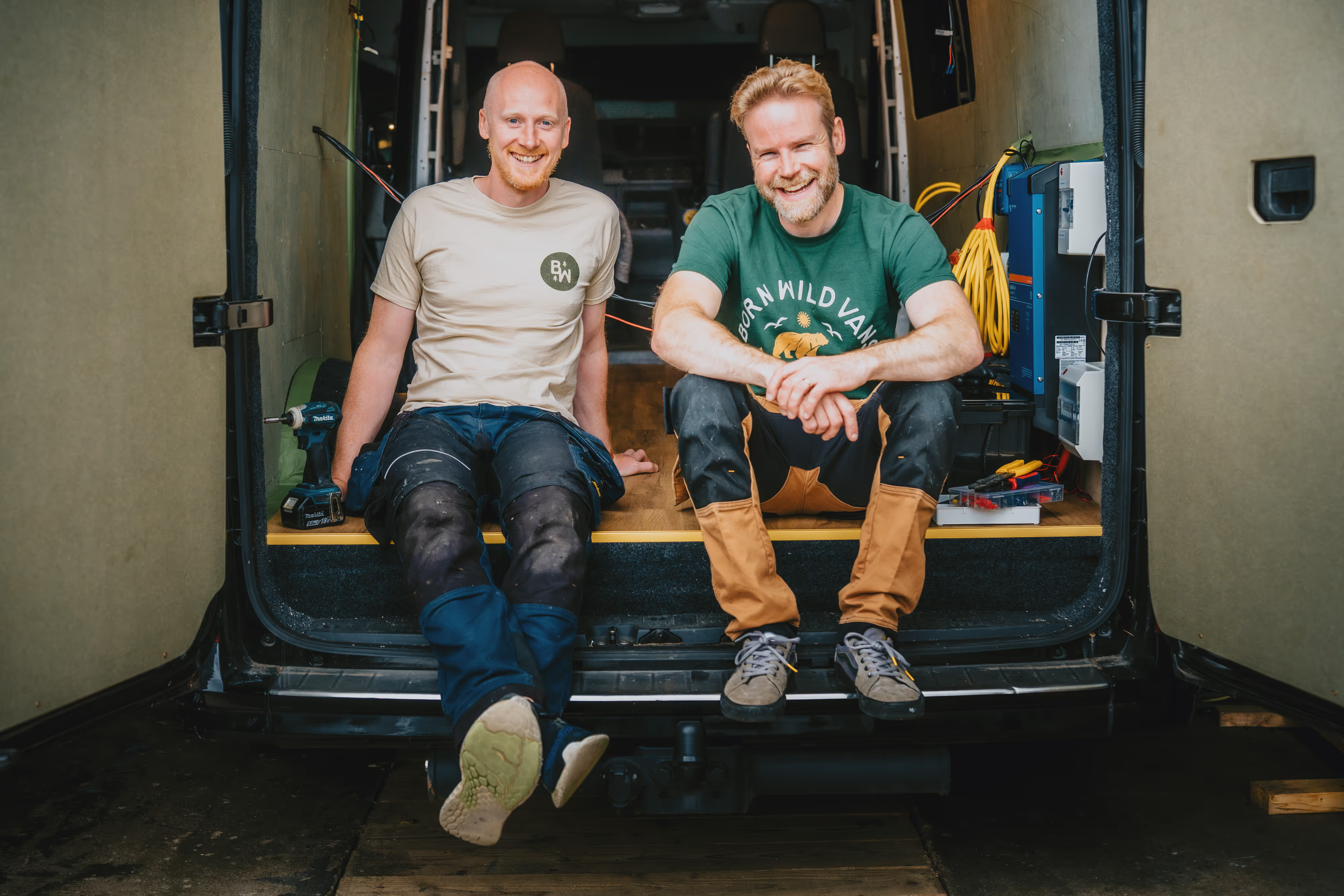

Born Wild Vans


Camper Conversion Specialists


camper_versions®

Camperliners

Campers4journeys
Key Facts About Campervan Mains Hook-Up
- ✓ A mains hook-up installs a 240V inlet and consumer unit to power standard household appliances on campsites.
- ✓ A professionally fitted system, including a consumer unit and sockets, typically costs between £700 and £1,800.
- ✓ A complete installation, from cutting the inlet to final electrical testing, requires one to two full workshop days.
- ✓ Professionals certify their work to BS 7671 regulations, providing a certificate that is essential for insurance.
- ✓ A key option is an integrated charger that automatically tops up the leisure battery bank whenever you are plugged in.
- ✓ This shore power is crucial for running demanding appliances like induction hobs without depleting your leisure batteries.
Why Choose Professional Campervan Mains Hook-Up?
Getting 240V mains power installed is a job for a professional, not a weekend DIY project. The primary reason is safety and certification. A qualified installer provides an electrical installation certificate, which is often required by insurance companies and campsites before they let you plug in. In practice, this means they use the correct components, like an RCD-protected consumer unit and arctic-grade external cabling designed for harsh conditions. A DIY setup might accidentally use household parts that can't handle the vibration and temperature swings in a vehicle, creating a genuine fire risk. Professionals work to specific vehicle regulations, ensuring everything from the chassis earth bond to the wiring is compliant and safe.
When vetting an installer, ask about their qualifications, specifically if they are 18th Edition certified. A true specialist will happily discuss the technical details of the job. Ask them what kind of consumer unit they fit and how they earth the system to the van's chassis. A major red flag is any hesitation to answer these questions or a price that seems suspiciously low, as this often points to substandard materials. For most builds, a complete mains hook-up installation takes between one and three days. As a result, you should expect the fully fitted service—including the inlet, consumer unit, sockets, and certified labour—to cost between £800 and £2,500.
Finding a builder with the right electrical skills can be a challenge. CamperBrain simplifies this process by connecting you directly with vetted specialists. The platform allows you to browse portfolios of previous electrical work and read reviews from other van owners. This gives you a clear picture of their expertise before you even make contact. Instead of searching blindly, you can request and compare quotes from multiple qualified companies in your area. This ensures you find a trusted professional who understands the unique demands of mobile power systems and can deliver a safe, certified installation.
Find Campervan Mains Hook-Up Specialists by Location
North West England
Yorkshire and the Humber
West Midlands
South East England
East Midlands
Frequently Asked Questions
What is campervan mains hook-up?
How much does mains hook-up cost for a campervan?
How long does a mains hook-up installation take?
Can I install a campervan mains hook-up myself?
What vans is mains hook-up suitable for?
What are the benefits of having a mains hook-up?
How do I find a campervan mains hook-up specialist?
What should I look for in a mains hook-up provider?
Related Services
Expert Insights
"A professional 240V hook-up installation is a non-negotiable safety feature, typically costing £800–£2,500. For most builds, a qualified electrician will fit the inlet and consumer unit in one to three days."
"The consumer unit is your system's core safety device, so never use cheap unbranded components. A quality unit will always include an RCD (Residual Current Device) and correctly rated MCBs for each circuit."
"Connecting your mains hook-up to a smart multi-stage battery charger is one of the best upgrades you can make. This integration, costing £150-£400 for the charger, properly maintains and extends leisure battery lifespan."
"Siting the external inlet is a crucial decision; placing it on the driver's side simplifies most campsite hook-ups. In practice, this means running 2.5mm² arctic-grade flexible cable from the inlet to your consumer unit."
Ready to Get Started with Campervan Mains Hook-Up?
Get free, no-obligation quotes from verified specialists. Compare prices and reviews to find the perfect match for your project.
Get Free Quotes