Wheelchair Accessible Campervans Specialists
The UK's most comprehensive directory of wheelchair accessible campervans specialists. 14 verified companies, independently rated and reviewed.

Added byJoe Tannorella··
Reviewed and verified for accuracy
Find Your Perfect Converter
No obligation • Compare multiple quotes
Best Wheelchair Accessible Campervans Specialists
Ranked by verified Google ratings and customer reviews. We track 14 companies offering wheelchair accessible campervans across the UK — here are the highest rated.

Alpha Rapid Repair
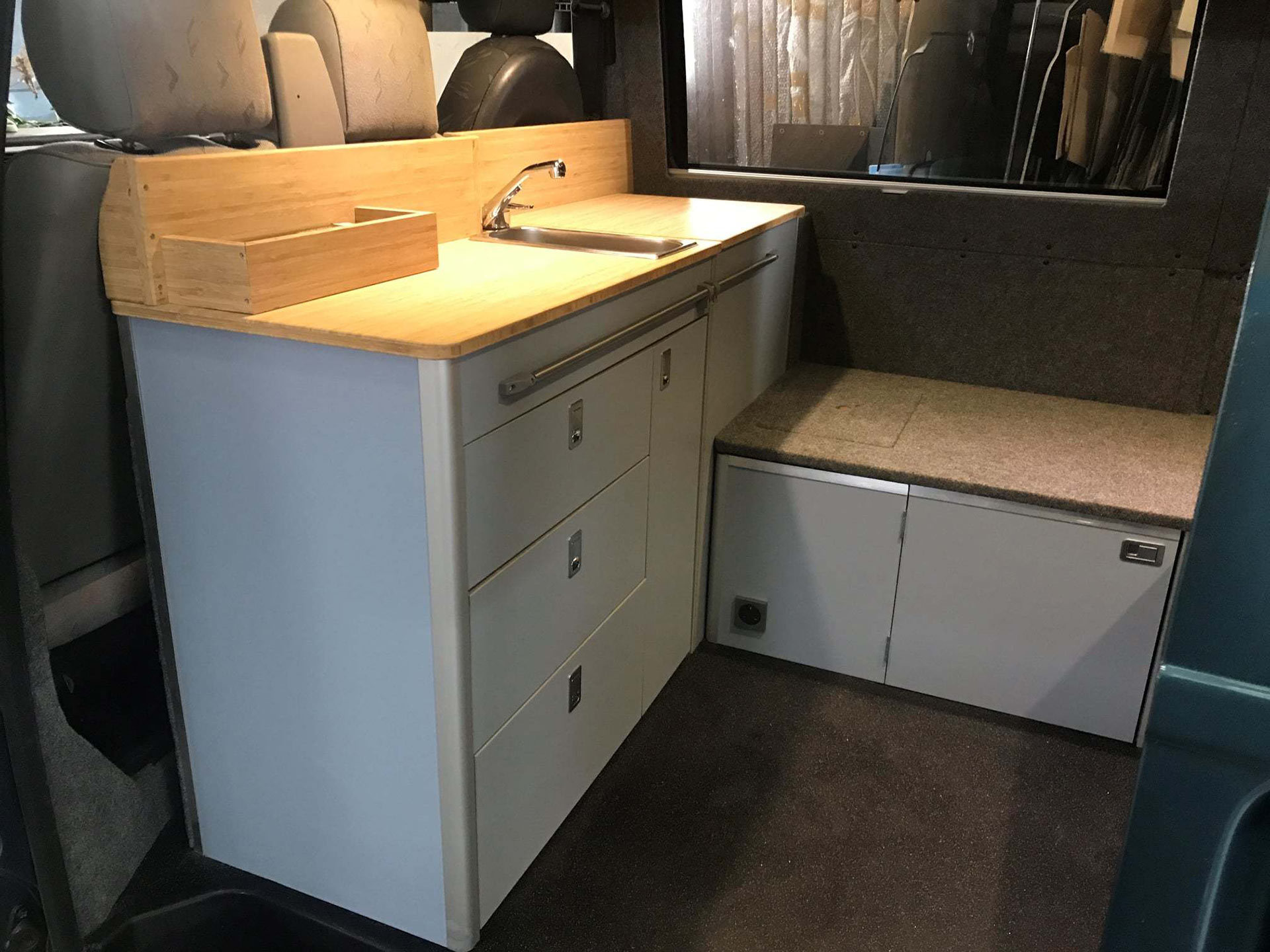
F.A.B. Van & Camper Conversions
Landseer Leisure


Limitless Campers

Middlesex Motorcaravans Ltd
VANART


West Country Camper Conversions

West Country Camper Conversions
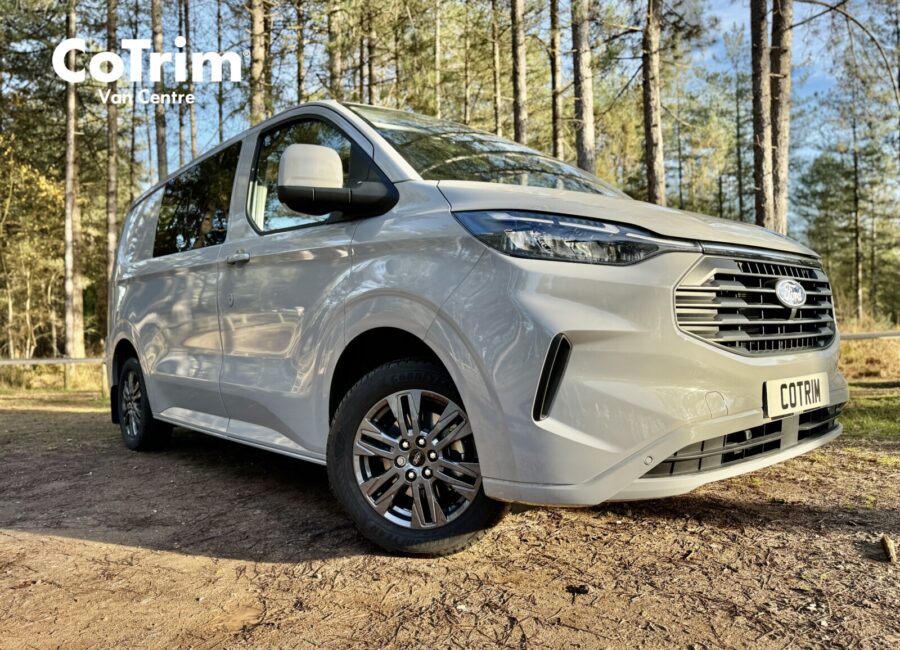

CoTrim
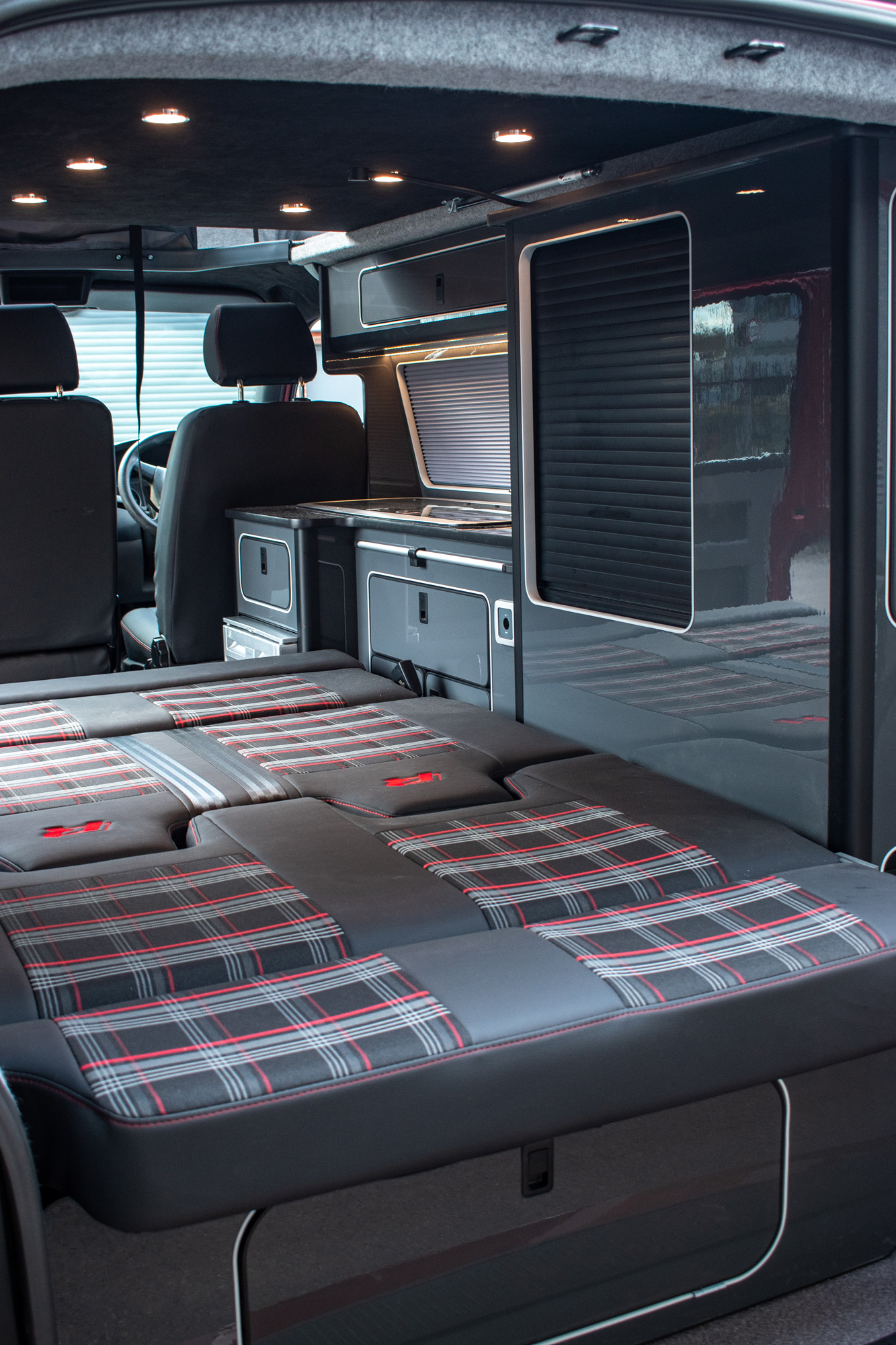

Revamp Campervans

Car, Van & Minibus World


Marks Transport Group
Browse all 14 wheelchair accessible campervans specialists →
Key Facts About Wheelchair Accessible Campervans
- ✓ A full conversion integrates a wheelchair lift, driving hand controls, and a custom-designed, accessible interior layout.
- ✓ Installing a specialist wheelchair lift and driving hand controls typically costs between £8,000 and £15,000 fitted.
- ✓ A complete accessible conversion is a major undertaking, often requiring four to eight weeks in a specialist workshop.
- ✓ Professionals ensure structural integrity and legal compliance for lifts and restraints, a critical safety aspect DIY cannot match.
- ✓ Key options include underfloor cassette lifts versus internal platform lifts, each impacting interior space and ground clearance differently.
- ✓ Accessibility systems add significant weight and electrical load, demanding careful planning and upgraded power systems for off-grid use.
Why Choose Professional Wheelchair Accessible Campervans?
Choosing a professional for an accessible conversion goes far beyond cabinet quality. It's about safety and structural integrity. A DIY approach might save money upfront but risks critical errors in floor reinforcement, weight distribution, and the electrical systems needed for specialized equipment. For instance, installing an underfloor cassette lift requires cutting into the vehicle's chassis and reinforcing it correctly to handle dynamic loads, a task demanding engineering expertise. A pro understands the specific power draw of lifts and hoists, ensuring the electrical system is robust enough to perform reliably every time. This isn't just about convenience; it's about building a vehicle that is fundamentally safe for travel.
When vetting a specialist, look past the glossy photos of finished interiors. Ask direct questions about their experience with mobility conversions. Request to see a portfolio of their accessible builds, not just standard layouts. A key question is, "How do you ensure M1-tested crash tested seating and anchor points for crash safety?" Vague answers are a major red flag. A reputable builder will confidently discuss payload calculations, structural modifications, and the specific brands of lifts or hand controls they prefer. A full accessible conversion is a significant project, often taking 8 to 16 weeks and involving costs from £20,000 for basic adaptations to over £60,000 for comprehensive builds.
Finding the right expert with this niche skillset can be difficult. That's where CamperBrain simplifies the process. The platform provides a curated list of specialists, complete with verified customer reviews and ratings that focus on real-world performance. Instead of cold-calling generic converters, users can directly compare companies that have proven experience in accessible vehicle design. You can filter by location and scrutinize detailed profiles to create a shortlist of top-rated builders. As a result, you connect with a professional who not only understands your vision but also possesses the technical expertise to execute it safely from the start.
Find Wheelchair Accessible Campervans Specialists by Location
North West England
Yorkshire and the Humber
West Midlands
South East England
East Midlands
Frequently Asked Questions
What is a wheelchair accessible campervan conversion?
How much does a wheelchair accessible conversion typically cost?
How long does a wheelchair accessible conversion take?
Can I convert a van for wheelchair access myself?
What vans are best for a wheelchair accessible conversion?
What are the main benefits of a custom accessible conversion?
How do I find a good wheelchair accessible conversion specialist?
What should I look for in a quality accessible conversion provider?
Related Services
Expert Insights
"A reliable lift is the single most important investment in an accessible conversion. In practice, a quality underfloor cassette lift costs between £3,500 and £8,000 fitted, but it preserves crucial interior space unlike internal platform models."
"Forget standard layouts; they just don't work for wheelchair users. A successful accessible design starts with a minimum 900mm central aisle, which allows for a full 1500mm turning circle near the main living area."
"The base vehicle choice dictates the entire project's success. As a result, most accessible conversions start with a high-roof, long-wheelbase chassis like a Mercedes Sprinter to guarantee at least 1.9m of interior standing height."
"Forgetting to relocate controls is a rookie mistake that renders a build unusable. All essential switches and sockets must be positioned between 750mm and 1000mm from the floor, well below standard countertop height."
Ready to Get Started with Wheelchair Accessible Campervans?
Get free, no-obligation quotes from verified specialists. Compare prices and reviews to find the perfect match for your project.
Get Free Quotes