Campervan Reversing Cameras Specialists
The UK's most comprehensive directory of campervan reversing cameras specialists. 73 verified companies, independently rated and reviewed.

Added byJoe Tannorella··
Reviewed and verified for accuracy
Find Your Perfect Converter
No obligation • Compare multiple quotes
Best Campervan Reversing Cameras Specialists
Ranked by verified Google ratings and customer reviews. We track 73 companies offering campervan reversing cameras across the UK — here are the highest rated.
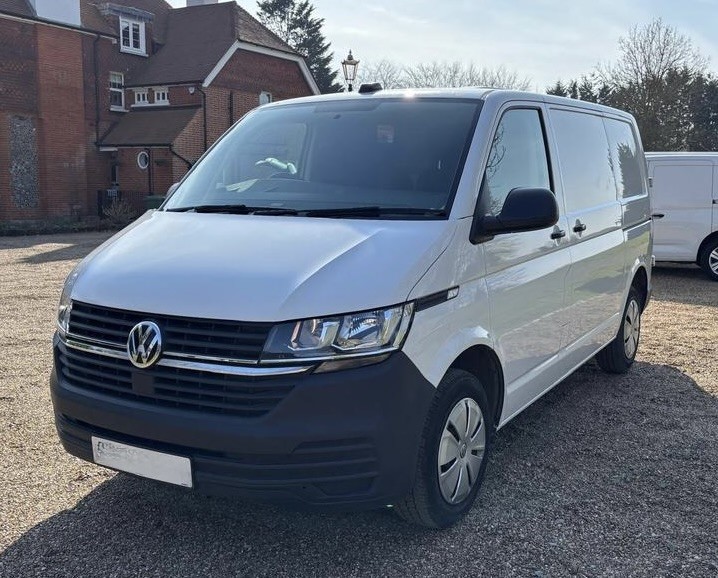

Bath VW Campers

Blackline Adventure


Camper Conversion Specialists

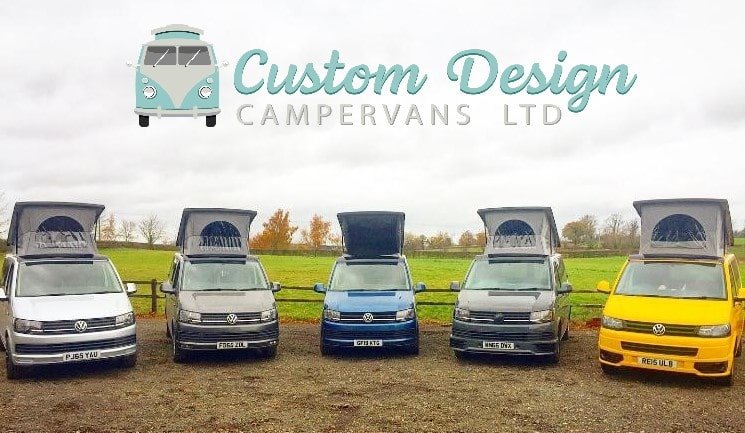
Custom Design Campervans

Dusty Roads Campervans & Conversions

Eternity Campers
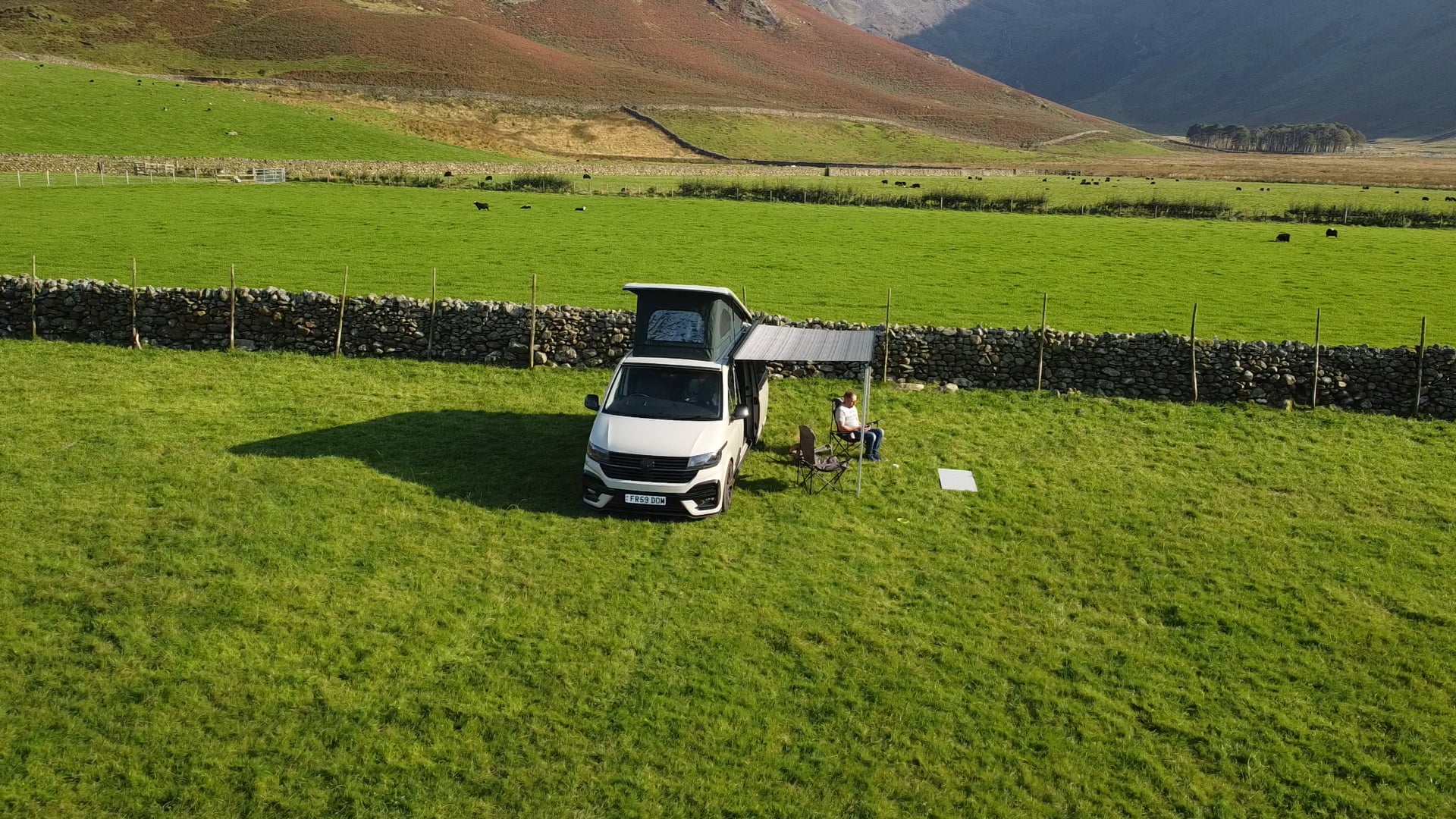

Freedom Conversions

Key Auto Solutions


Matt Ellis Joinery

McLaren Sports Homes Ltd


Mobile Motorhome & Caravan Services Ltd

Moore's Campers
Key Facts About Campervan Reversing Cameras
- ✓ A professionally fitted system costs £400–£1,200, depending on camera quality and the complexity of monitor integration.
- ✓ Installation typically takes four to eight hours, ensuring wiring is safely routed and hidden behind interior panels.
- ✓ The internal conversion creates total rear blindness, making a camera system essential for safe parking and low-speed maneuvering.
- ✓ Buyers choose between single-view cameras for reversing or twin-lens systems that provide a constant digital rear-view mirror.
- ✓ Professionals guarantee waterproof cable entry points and correct electrical integration, avoiding common DIY issues like leaks or CAN bus faults.
- ✓ For complete awareness, audible parking sensors are often installed alongside cameras to detect low obstacles the lens might miss.
Why Choose Professional Campervan Reversing Cameras?
A professional installer knows where not to drill. They avoid structural ribs and factory wiring looms hidden inside wall cavities, preventing damage that can compromise your van’s integrity or cause phantom electrical faults. DIY kits often skip the most crucial step: weatherproofing. Professionals use automotive-grade sealants and rubber grommets to prevent water ingress, which is a leading cause of rust and mould in conversions. In practice, this means you get a clean, factory-finish installation without the nagging worry of creating a future problem. It is the difference between a quick fix and a permanent, reliable safety upgrade.
When vetting an installer, ask specifically how they plan to run the cables and integrate the display. Will they connect to the factory head unit for a seamless look, or install a separate monitor on the dash or rearview mirror? A good specialist will explain the pros and cons of each approach for your specific vehicle. Enquire about the camera systems they use; they should justify their choice based on viewing angle, low-light performance, and durability. Expect a quality camera and monitor system to cost between £300 and £800 fitted, typically taking half a day. More complex setups with parking sensors can push towards £1,200 and require a full day’s work. A refusal to show photos of previous installations is a major red flag.
Finding the right installer is about matching their skills to your vehicle, as not every company has experience with every base model from Transits to Sprinters. CamperBrain simplifies this search by connecting you directly with vetted specialists in tech and safety. You can browse portfolios to see the quality of their wiring and finishing on builds similar to your own. The platform's verified reviews provide unfiltered feedback from other owners, giving you confidence in their workmanship before you even make contact. As a result, you spend less time vetting and more time getting a crucial safety feature installed correctly the first time.
Find Campervan Reversing Cameras Specialists by Location
North West England
Yorkshire and the Humber
West Midlands
South East England
East Midlands
Frequently Asked Questions
What does a campervan reversing camera service actually involve?
How much does it cost to get a reversing camera fitted to a campervan?
How long does a professional reversing camera installation take?
Can I just install a reversing camera system myself?
What are the real benefits of fitting a reversing camera to my van?
What should I look for in a quality reversing camera installation?
How can I find a good specialist for reversing camera installations?
Related Services
Expert Insights
"Many builders try to save money with DIY camera kits. In practice, a professional install ranging from £300–£700 ensures proper IP68 waterproofing and won't fail after the first heavy downpour."
"A high-level brake light camera offers a superior, top-down view for judging distance on panel vans like Sprinters or Transits. As a result, it's far more effective than a low-mounted number plate camera."
"For most conversions, integrating the camera feed into the main dashboard head unit is the cleanest option. This provides a larger, clearer view than the common clip-on mirror monitors, which often suffer from glare."
"Don't choose between a camera and parking sensors; the best systems use both. The camera shows you the large obstacle, while ultrasonic sensors will reliably detect a low bollard hidden in a shadow."
Ready to Get Started with Campervan Reversing Cameras?
Get free, no-obligation quotes from verified specialists. Compare prices and reviews to find the perfect match for your project.
Get Free Quotes