Campervan Soundproofing Specialists
The UK's most comprehensive directory of campervan soundproofing specialists. 133 verified companies, independently rated and reviewed.

Added byJoe Tannorella··
Reviewed and verified for accuracy
Find Your Perfect Converter
No obligation • Compare multiple quotes
Best Campervan Soundproofing Specialists
Ranked by verified Google ratings and customer reviews. We track 133 companies offering campervan soundproofing across the UK — here are the highest rated.

Bearwood Campers


Bhode Vans


Big Blue Camper Co.

Blackline Adventure


Blake Autos HardCore Campers


Cam-p-van Leisure Conversions


Camper Conversion Specialists
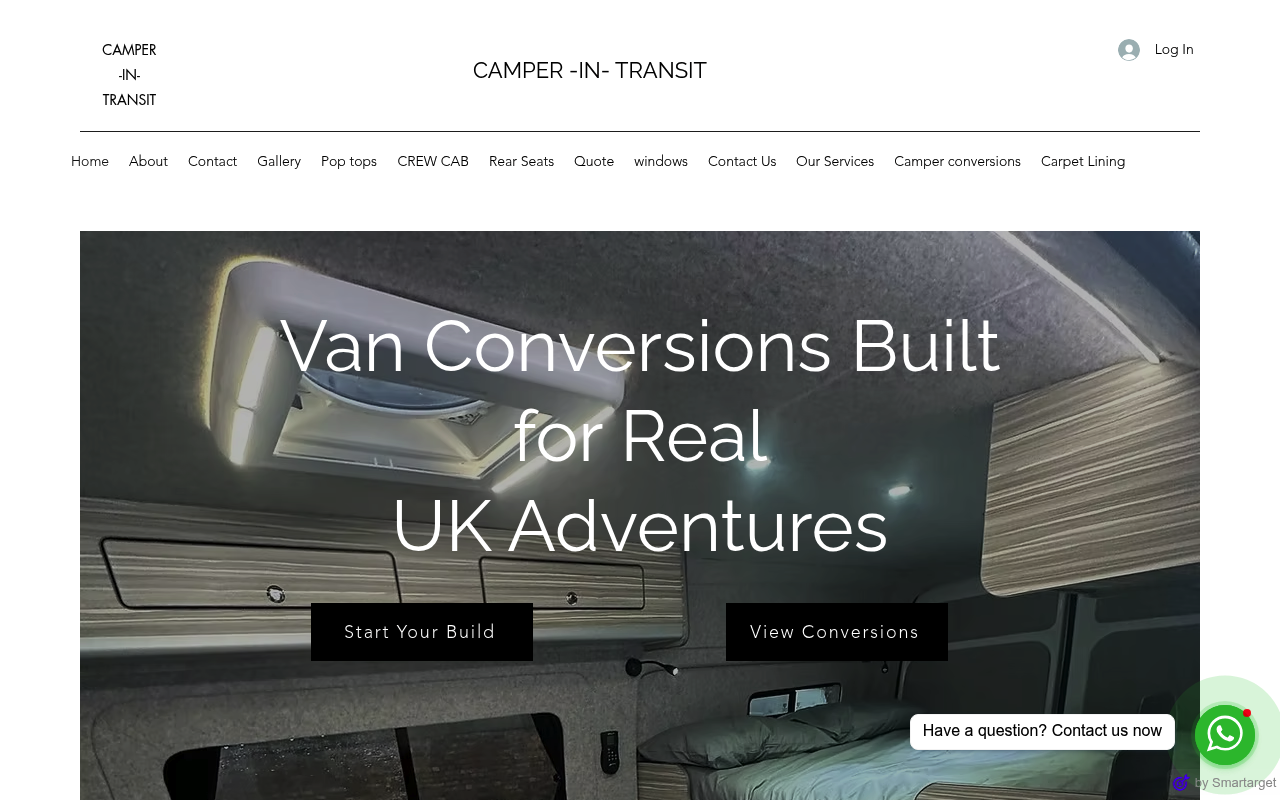

Camper in transit

Camperliners

Campers4journeys


CamperWorx Ltd


Coastal Campers
Key Facts About Campervan Soundproofing
- ✓ A professional job involves applying vibration-damping mats to all large metal panels before adding a closed-cell foam acoustic barrier.
- ✓ Professional sound deadening for a medium-wheelbase panel van typically costs between £900 and £2,500 fitted in the UK.
- ✓ A complete soundproofing treatment on an empty van usually takes a specialist between two and four full working days.
- ✓ Specialists use rollers to ensure 100% adhesion of damping mats, a critical performance step often missed in DIY applications.
- ✓ Buyers choose between basic butyl matting for vibration or add mass-loaded vinyl for ultimate low-frequency sound blocking.
- ✓ This treatment is crucial as it dramatically reduces road noise and panel resonance, transforming the vehicle into a quieter space.
- ✓ The closed-cell foam layer also acts as a vital vapour barrier and thermal insulator, improving year-round climate control.
Why Choose Professional Campervan Soundproofing?
Professional acoustic treatment goes far beyond the DIY approach of simply applying sound deadening mats. It’s a huge job. A professional installer uses a multi-layered system to tackle different types of noise, from panel resonance to road drone. In practice, this means applying butyl rubber mats to stop vibrations, followed by a closed-cell foam layer that acts as a thermal and acoustic barrier. For a truly quiet ride, some specialists even add a third layer of mass-loaded vinyl to block low-frequency sounds. As a result, you get a vehicle that’s not just less rattly, but genuinely peaceful at motorway speeds. The time saved is also significant; what takes an expert a day or two can consume several weekends for a first-time builder.
When vetting a specialist, ask what specific materials they use and why. A quality builder will explain their choice of products for each layer, not just offer a single-solution-fits-all approach. A red flag is any installer who can’t detail how they treat difficult areas like wheel arches, door cavities, and the cab floor, as these are major sources of noise ingress. For most Transit or Sprinter-sized builds, a comprehensive sound deadening and insulation package should cost between £800 and £2,500 and take one to three days to fit. A quote significantly below this range may indicate a rushed job or the use of inferior, single-layer materials that won't deliver the desired results.
Finding the right expert is crucial for a successful outcome. CamperBrain simplifies this search by connecting users with vetted, highly-rated specialists. You can directly compare portfolios, viewing detailed photos of their multi-stage application process on different base vehicles. Customer reviews provide honest feedback on the real-world difference the treatment made to road noise and overall comfort. This allows you to find a local provider who not only has proven expertise but also understands the specific acoustic challenges of your van model, ensuring your investment results in a quiet, comfortable living space for the road ahead.
Find Campervan Soundproofing Specialists by Location
North West England
Yorkshire and the Humber
West Midlands
South East England
East Midlands
Frequently Asked Questions
What exactly is campervan soundproofing?
How much does professional soundproofing cost for a campervan?
How long does a soundproofing installation usually take?
Can I just do the soundproofing myself?
What kinds of vans is soundproofing suitable for?
What are the main benefits of soundproofing a van?
How can I find a campervan soundproofing specialist?
What should I look for in a quality soundproofing provider?
Related Services
Expert Insights
"A professional sound deadening package ranges from £800 to £2,500 fitted. For most builders, this investment pays off by dramatically reducing road noise and driver fatigue on long journeys."
"Effective treatment uses two distinct layers. A butyl-based mat stops panel vibration, while closed-cell foam over it acts as a crucial barrier against airborne road and wind noise."
"Soundproofing is step one. It must be done after the strip-out but before insulation or wiring. In practice, a full treatment on a Transit-based build is a one to three-day job if done correctly."
"Focus your efforts on the source. As a result, prioritizing the wheel arches, doors, and cab floor yields far better noise reduction than simply wallpapering the entire interior with one material."
Ready to Get Started with Campervan Soundproofing?
Get free, no-obligation quotes from verified specialists. Compare prices and reviews to find the perfect match for your project.
Get Free Quotes