Campervan Toilets Specialists
The UK's most comprehensive directory of campervan toilets specialists. 102 verified companies, independently rated and reviewed.

Added byJoe Tannorella··
Reviewed and verified for accuracy
Find Your Perfect Converter
No obligation • Compare multiple quotes
Best Campervan Toilets Specialists
Ranked by verified Google ratings and customer reviews. We track 102 companies offering campervan toilets across the UK — here are the highest rated.


Albatross Conversions


Atlas Sporthomes ltd

AV Camper Conversions
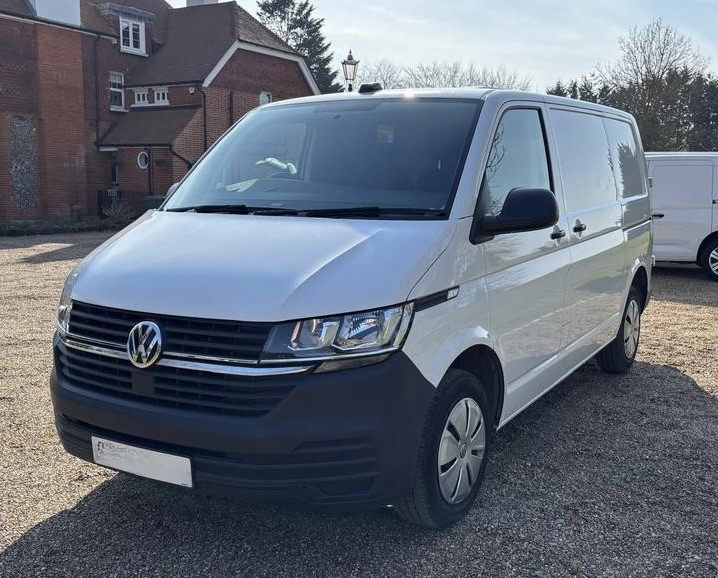

Bath VW Campers


Born Wild Vans
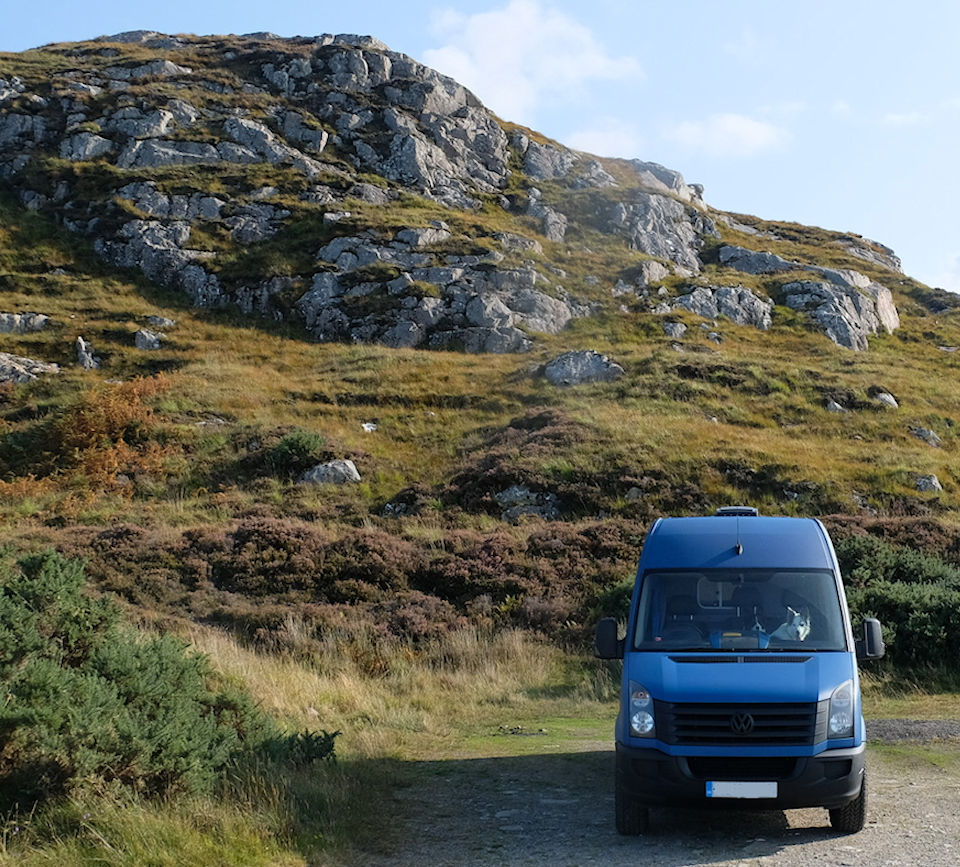
Bowland Camper Conversions


camper_versions®


Campervan Warehouse Ltd
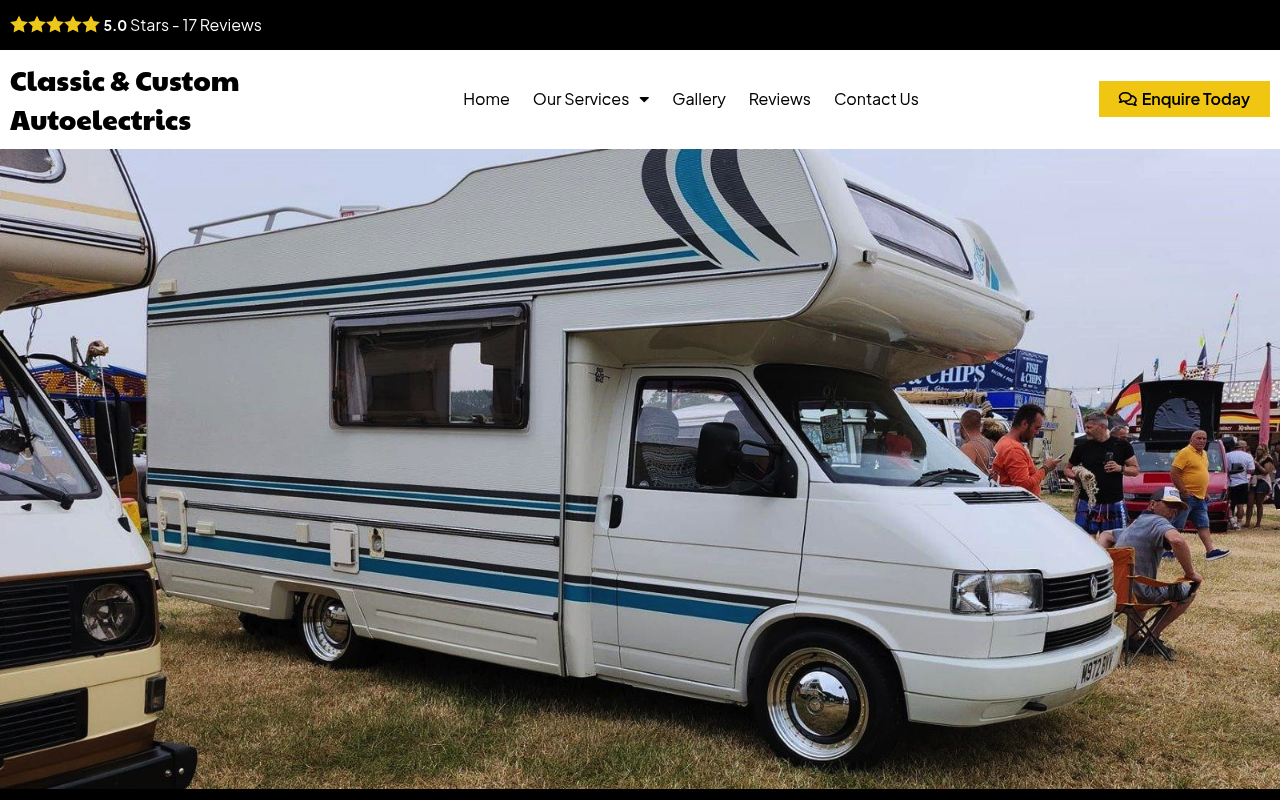
Classic & Custom Autoelectrics


Cooped Up Campers
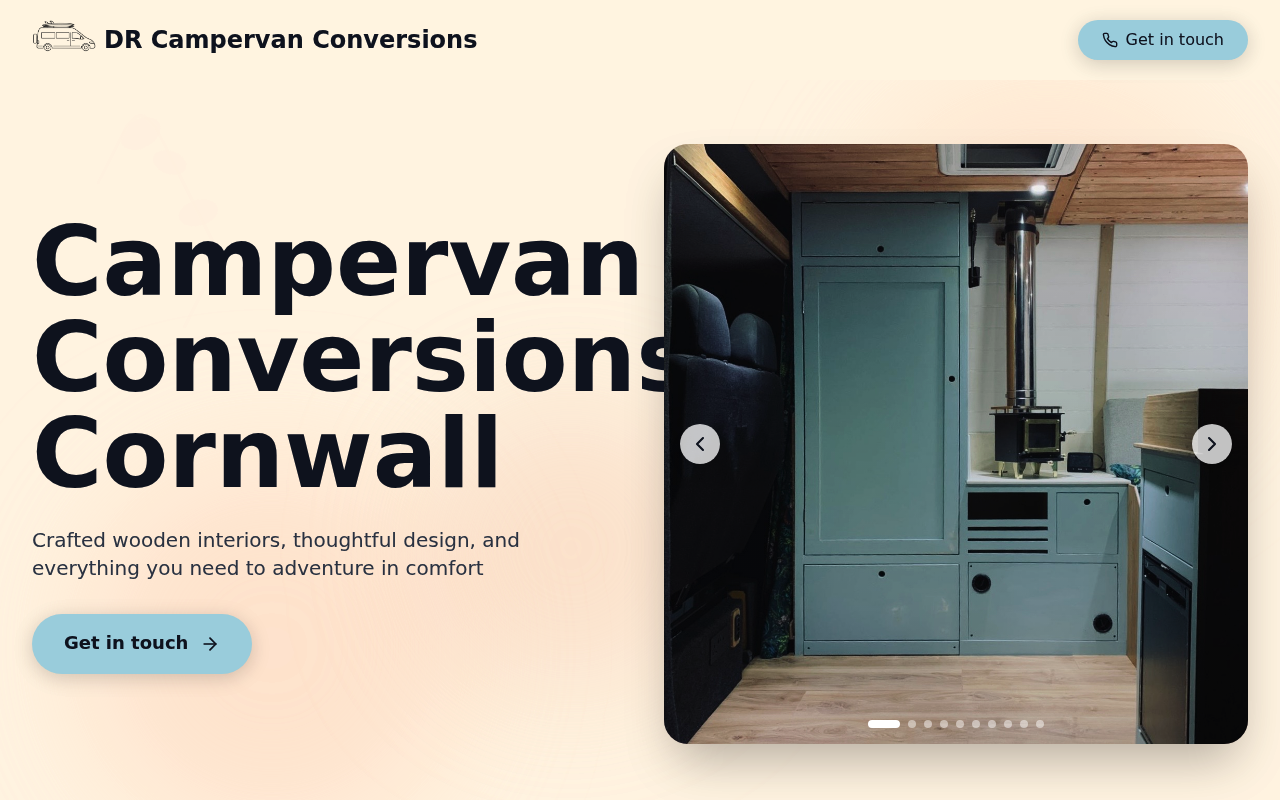
DR Campervan Conversions

Freedom Van Conversions
Key Facts About Campervan Toilets
- ✓ Professional fitting involves securely mounting the unit, plumbing any flush systems, and cutting precise external hatches for cassette access.
- ✓ A basic cassette toilet installation costs £800–£2,000, while complex composting systems often exceed £2,500 when fitted.
- ✓ A simple porta potti setup is quick, but installing a fully plumbed cassette toilet typically requires one to three days.
- ✓ Experts guarantee a perfectly sealed, leak-proof external hatch, a high-risk cut that many DIY builders understandably avoid.
- ✓ Builders choose between cassette toilets needing regular disposal points and pricier composting units that offer longer off-grid autonomy.
- ✓ A fixed toilet is a critical step for self-containment, often required for DVLA motor caravan reclassification in the UK.
Why Choose Professional Campervan Toilets?
Installing a toilet seems simple until it isn't. While a basic porta potti just needs a secure spot, a fitted cassette or composting toilet requires absolute precision. A professional installation guarantees watertight seals around the floor and walls, preventing slow leaks that rot your van's structure from the inside out. Pros also handle ventilation correctly, cutting a discreet, weatherproof hole in the van's body for an extractor fan or vent pipe. This is non-negotiable for composting toilets to eliminate odours. In practice, this means you avoid the costly nightmare of fixing water damage and a lingering smell that no amount of air freshener or the best toilet fluid can hide.
When vetting a specialist, ask specific questions about their process. Enquire how they seal the shower tray or floor penetration and what materials they use. For composting models, ask how and where they will install the 12V electrical systems for the fan and external vent. A good builder will explain their method for securing the unit so it withstands rough roads. Vague answers are a major red flag. For most Transit-based builds, expect a cassette toilet installation to take one or two days and cost between £800–£1,500, including the unit. A more complex composting system often requires two to three days, with a final price tag of £1,500–£2,500 depending on the model.
Finding the right installer used to be a gamble. CamperBrain simplifies the search by connecting you with vetted conversion companies. Instead of relying on a single quote, you can browse portfolios to see examples of their previous bathroom and toilet installations. This allows you to find specialists with direct experience in the exact system you want, whether it’s a Thetford cassette or a high-end composting unit. As a result, you can read detailed reviews from other van owners, confirming the builder's skill in creating a functional, leak-proof, and long-lasting toilet solution. You hire them based on proven results, not just promises.
Find Campervan Toilets Specialists by Location
North West England
Yorkshire and the Humber
West Midlands
South East England
East Midlands
Frequently Asked Questions
What does a campervan toilet installation service include?
How much does it cost to have a toilet professionally installed?
How long does a campervan toilet installation take?
Can I install a campervan toilet myself?
What vans are suitable for a fixed toilet installation?
What are the main benefits of a professional toilet installation?
How do I find the right campervan toilet specialist?
What should I look for in a quality toilet installation?
Related Articles

Campervan toilet solutions – chemical, cassette, composting, and more
Campervan toilet solutions – chemical, cassette, composting, and more

Best campervan portable toilet - Thetford Porta Potti 365 review
Best campervan portable toilet - Thetford Porta Potti 365 review
Related Services
Expert Insights
"For most Transit or Sprinter-based builds, a simple porta potti under £150 is the practical choice. In contrast, a fixed cassette toilet requires cutting the vehicle body and adds a full day of labor."
"Composting toilets are a major upgrade, costing between £800 and £1,200 for the unit alone. This means you eliminate the need for chemical disposal points, extending potential off-grid trips by weeks."
"The reality of cassette toilets is frequent emptying, typically every two to four days at a designated disposal point. As a result, many full-timers now favor composting models which separate liquids and solids."
"Don't underestimate the layout impact. A fixed toilet demands a permanent cubicle, often consuming 80x60cm of floor space, while a portable unit can be cleverly hidden within a bench seat."
Ready to Get Started with Campervan Toilets?
Get free, no-obligation quotes from verified specialists. Compare prices and reviews to find the perfect match for your project.
Get Free Quotes