Campervan Towbars Specialists
The UK's most comprehensive directory of campervan towbars specialists. 50 verified companies, independently rated and reviewed.

Added byJoe Tannorella··
Reviewed and verified for accuracy
Find Your Perfect Converter
No obligation • Compare multiple quotes
Best Campervan Towbars Specialists
Ranked by verified Google ratings and customer reviews. We track 50 companies offering campervan towbars across the UK — here are the highest rated.


Custom Camper Solutions

Custom Design Campervans

Eternity Campers
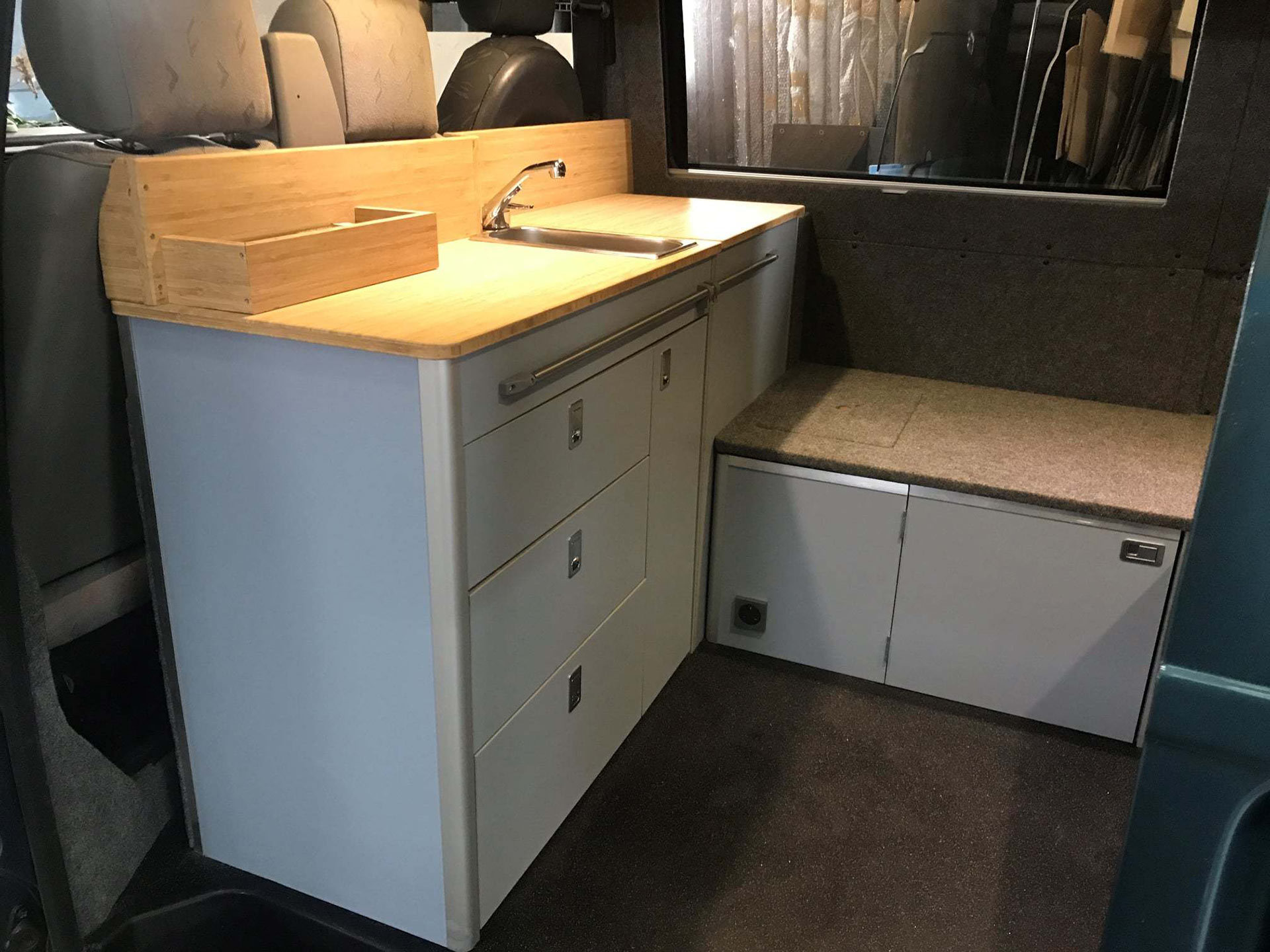
F.A.B. Van & Camper Conversions


First Step Vehicle Solutions

Grizzly Custom Vans Ltd

Key Auto Solutions
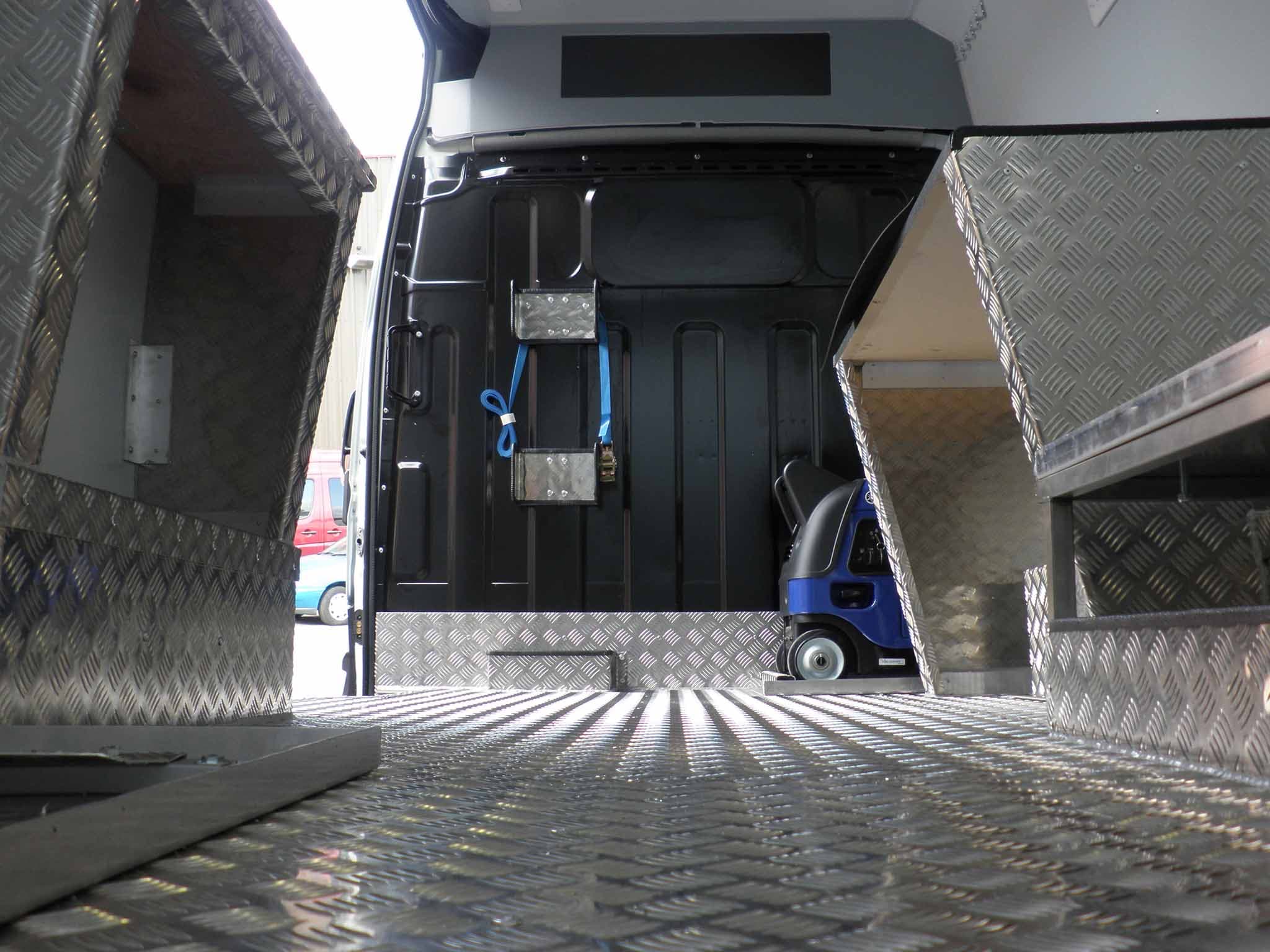
Morevan Vehicle Conversions
NB Fleet Services Ltd

OXCampers
Pratt's Campervans
T1 Conversions
Key Facts About Campervan Towbars
- ✓ A professionally fitted towbar costs £600–£1,800, its final price reflecting the base vehicle and electrical system complexity.
- ✓ Installation takes a specialist four to eight hours, including the complex integration of dedicated, vehicle-specific wiring systems.
- ✓ A steel towbar assembly adds 25-40 kg of dead weight, directly reducing the vehicle's critical payload allowance.
- ✓ Professionals code the new wiring to the vehicle's ECU, which is essential for modern stability control systems to function correctly.
- ✓ Buyers choose between fixed or detachable towbars, with detachable units preserving the van's original lines when not in use.
- ✓ Custom conversions often require modified brackets to clear underslung water tanks, spare wheels, or non-standard bumpers.
Why Choose Professional Campervan Towbars?
Fitting a towbar seems straightforward. Bolting it to the chassis looks simple, but the reality is far more complex with modern vans. A professional installation ensures the towbar is correctly mounted to the vehicle's structural points, a critical safety issue. More importantly, it addresses the electronics. Professionals use vehicle-specific wiring looms that integrate directly with the van’s CAN bus system, its central nervous network. A DIY job using a generic bypass relay can fail to activate trailer stability programs or disable your existing parking sensors, creating a significant risk.
When vetting a specialist, ask direct questions. Inquire if they use vehicle-specific wiring kits and if their price includes coding the vehicle's computer to recognize the new hardware. A vague answer or a refusal to code the electronics is a major red flag. For most Transit or Ducato-based builds, expect a professional fitting to cost between £800 and £2,500, depending on the complexity of the electrics and the towbar type. The job typically takes one to three days. This investment buys peace of mind that the work is done safely, protecting both your build and its warranty.
Finding a fitter with conversion experience is crucial. A standard auto electrician may not understand the unique campervan electrical systems or modified chassis of a converted vehicle. CamperBrain's platform connects users with specialists who regularly work on these specific builds. Their profiles showcase past towbar installations, and customer reviews often detail how well the electrics were integrated. As a result, you can confidently choose a provider who knows the challenges of a fully-loaded campervan conversion, ensuring everything from the trailer lights to the van’s fire & CO safety systems works perfectly together.
Find Campervan Towbars Specialists by Location
North West England
Yorkshire and the Humber
West Midlands
South East England
East Midlands
Frequently Asked Questions
What exactly is a campervan towbar fitting service?
How much does fitting a towbar on a campervan cost?
How long does it take to fit a campervan towbar?
Can I fit a towbar to my van myself?
What are the main benefits of adding a towbar to my van?
Will a towbar fit any type of campervan?
What should I look for in a towbar installation specialist?
Related Services
Expert Insights
"Remember the payload penalty. A heavy-duty towbar and its subframe can easily weigh 30–50 kg, a significant reduction from your available build weight before you add any furniture."
"Don't just budget for the steel. Expect a fitted towbar to cost £800–£2,500, as modern CAN bus systems require vehicle-specific wiring looms that integrate with the onboard computer."
"While the metalwork seems simple, the electrics are not. For most builders, professional fitting is the only safe route, as incorrect wiring can damage the ECU, costing thousands to repair."
"Match the bar to the mission. A fixed flange towbar is robust for heavy trailers, but a detachable swan neck offers a cleaner look and is ideal for a modern 2-4 bike carrier."
Ready to Get Started with Campervan Towbars?
Get free, no-obligation quotes from verified specialists. Compare prices and reviews to find the perfect match for your project.
Get Free Quotes