Campervan Fire & CO Safety Specialists
The UK's most comprehensive directory of campervan fire & co safety specialists. 38 verified companies, independently rated and reviewed.

Added byJoe Tannorella··
Reviewed and verified for accuracy
Find Your Perfect Converter
No obligation • Compare multiple quotes
Best Campervan Fire & CO Safety Specialists
Ranked by verified Google ratings and customer reviews. We track 38 companies offering campervan fire & co safety across the UK — here are the highest rated.

Bearwood Campers


Country Road Campers


Custom Camper Solutions

Eternity Campers


GB Camper Conversions

Kustom Interiors Cornwall
Lincoln Van Conversions
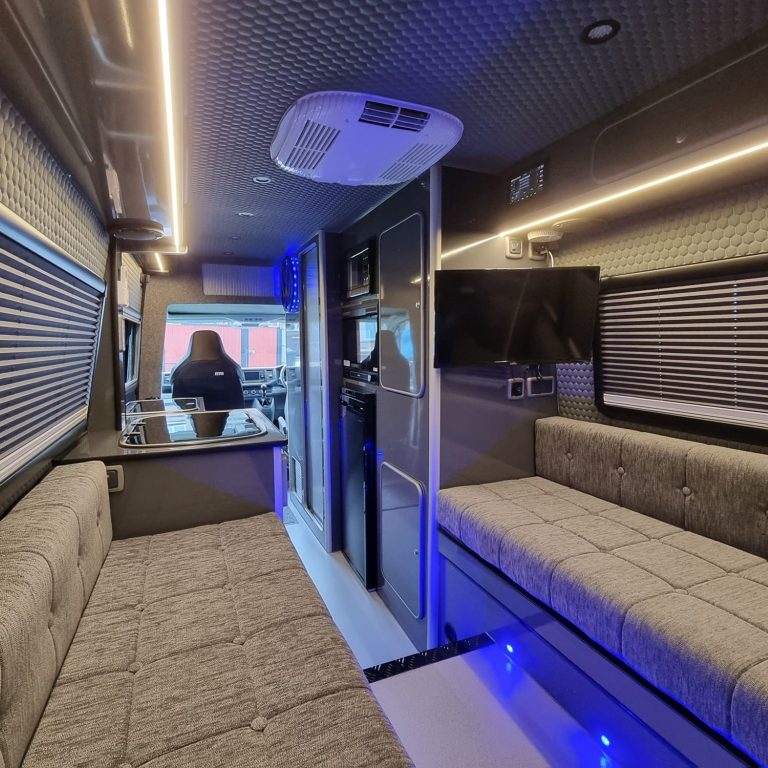

LS Conversions Ltd
Pratt's Campervans

Roam Campervans

Ultravans

Vanlord UK Limited
Key Facts About Campervan Fire & CO Safety
- ✓ Professional installation places CO, smoke, and fire safety equipment based on the vehicle’s specific risks and layout.
- ✓ A full, professionally fitted safety package typically costs between £150 and £400, including certified hardware.
- ✓ This is a quick job; a specialist can fully equip most vans in just one to three hours.
- ✓ Unlike many DIY attempts, a pro ensures all alarms meet specific BS EN standards for mobile environments.
- ✓ Buyers choose between simple battery units or hard-wired 12V alarms running from the leisure electrical system.
- ✓ The confined space of a van makes rapid fire or CO detection critical, as conditions can become lethal in seconds.
Why Choose Professional Campervan Fire & CO Safety?
Installing safety gear seems straightforward. You buy an alarm and an extinguisher. The reality is that professional installation prevents critical, often unseen, mistakes. A specialist understands airflow and gas behaviour inside a small, insulated space, ensuring a carbon monoxide alarm is placed correctly relative to your heater and sleeping area—not just stuck on the nearest wall. They also select the right type of fire extinguisher for your specific risks, whether it's a lithium battery bank or a propane hob, and mount it securely so it won't become a dangerous projectile in a collision. In practice, a pro install means your safety equipment is located intuitively and functions correctly even when you are disoriented by smoke or fumes, a benefit that is impossible to value until the moment you need it.
When vetting a specialist, ask about their experience with your specific van model and heating system. A good fitter can explain precisely why they recommend a certain location for a smoke alarm or CO detector, referencing BS EN 50291 standards for alarms and BS EN3 for extinguishers. They should discuss the different fire suppression needs for campervan gas systems, diesel, and electrical systems. A major red flag is a one-size-fits-all quote without first understanding your layout and appliances. For most builds, a comprehensive safety installation, including hard-wired alarms and extinguisher mounting, should take between a few hours and a full day. Expect to pay between £150 and £400 for a professional to supply and fit high-quality smoke, CO, and fire safety equipment.
Finding the right expert is about matching skills to your specific build. CamperBrain allows you to filter for companies that list fire and CO safety as a core competency, not just an add-on service. This means you can directly compare quotes from experienced installers who understand the unique safety challenges of a mobile living space. By reviewing their past projects and ratings, you can assess the quality of their work and ensure they have the right expertise for your vehicle. As a result, you connect with a provider who will install your safety systems correctly the first time, providing genuine peace of mind on the road.
Find Campervan Fire & CO Safety Specialists by Location
North West England
Yorkshire and the Humber
West Midlands
South East England
East Midlands
Frequently Asked Questions
What does campervan fire and CO safety installation involve?
How much does professional fire and CO safety fitting cost?
How long does it take to install fire and CO safety gear?
Can I just install fire and CO safety equipment myself?
Is fire and CO safety equipment needed for all van types?
What are the main benefits of proper fire and CO safety?
How can I find a specialist for fire and CO safety?
What makes a good fire and CO safety installer?
Related Articles
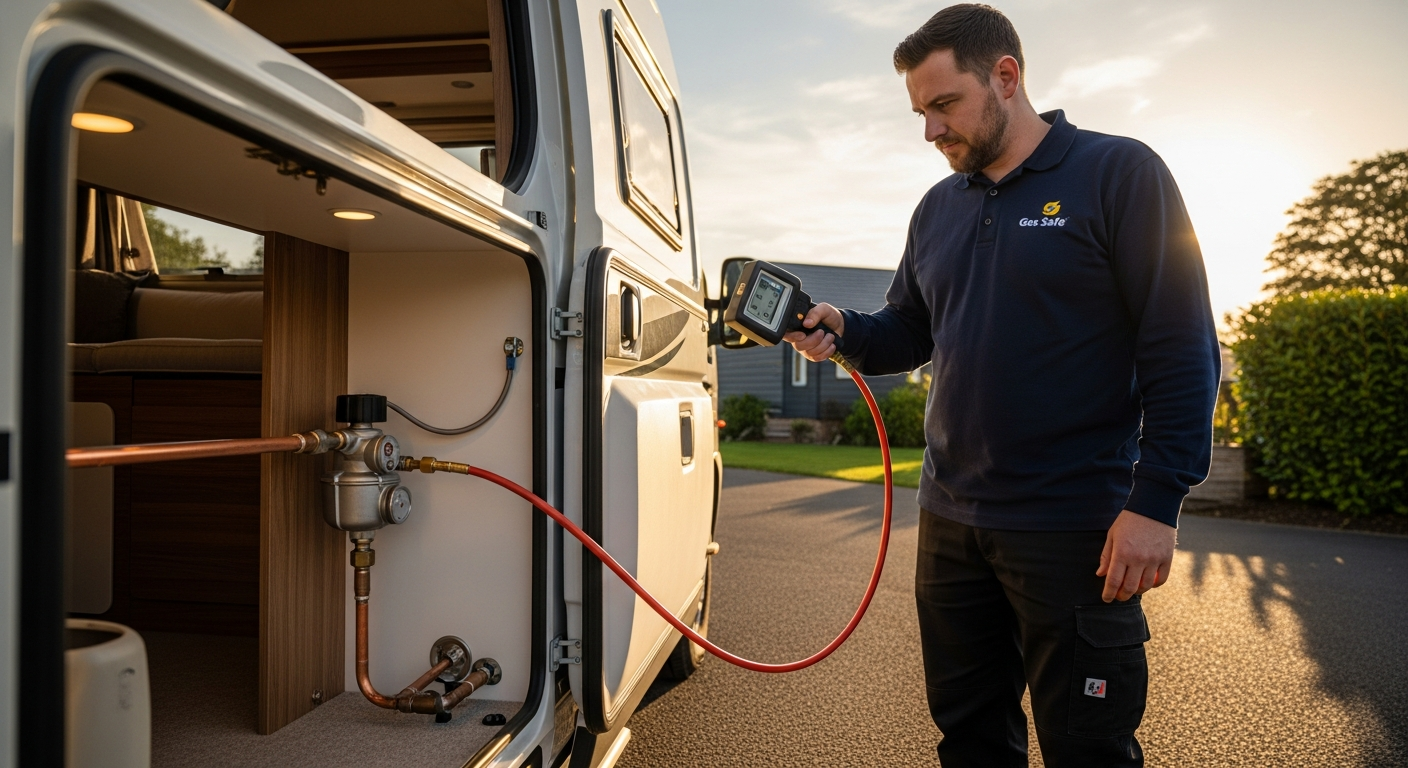
Related Services
Expert Insights
"Don't just grab any extinguisher. For most builds, a 2kg dry powder model is a versatile start, but for lithium battery systems, a dedicated AVD extinguisher provides critical, specialized protection."
"Detector placement is non-negotiable. For reliable coverage in a typical LWB Sprinter, install one smoke alarm near the sleeping area and a separate CO alarm lower down, around knee-height, near any gas appliances."
"Carbon monoxide is a silent threat. A quality, low-level CO alarm is essential, as many home units only trigger above 50 ppm—a potentially dangerous threshold in a small, enclosed vehicle."
"Think of safety as a complete system. While a £10 detector is a start, a professional setup integrates both smoke and low-level CO alarms, often costing £80 to £150 for reliable, certified units."
Ready to Get Started with Campervan Fire & CO Safety?
Get free, no-obligation quotes from verified specialists. Compare prices and reviews to find the perfect match for your project.
Get Free Quotes