Campervan Habitation Checks Specialists
The UK's most comprehensive directory of campervan habitation checks specialists. 47 verified companies, independently rated and reviewed.

Added byJoe Tannorella··
Reviewed and verified for accuracy
Find Your Perfect Converter
No obligation • Compare multiple quotes
Best Campervan Habitation Checks Specialists
Ranked by verified Google ratings and customer reviews. We track 47 companies offering campervan habitation checks across the UK — here are the highest rated.


Hippo Campers Ltd


Knowmans Leisure

Landseer Leisure

Lomond Campers


Mobile Motorhome & Caravan Services Ltd


Northern Conversions


Reformer Vans
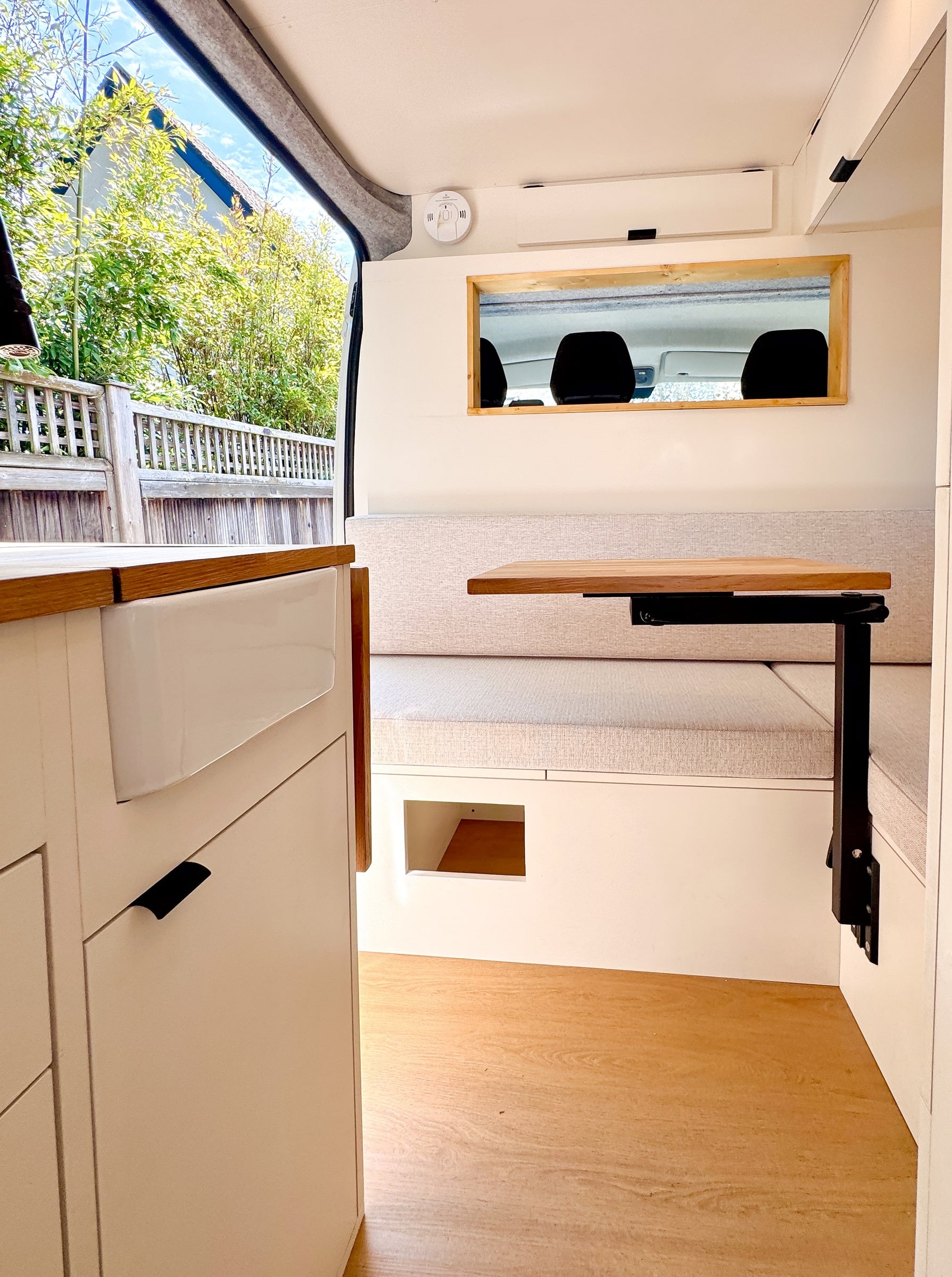
Tatanka Campers

Teign Caravan Services


Touring Services

Cambridge Campervans


Campervandom
Key Facts About Campervan Habitation Checks
- ✓ A full habitation check systematically tests all living systems, from gas and 12V/240V electrics to water and damp ingress.
- ✓ Expect to pay £180–£300 for a professional check, with costs varying based on the vehicle's size and system complexity.
- ✓ A thorough inspection requires two to four hours, allowing an engineer to meticulously examine every system without rushing the job.
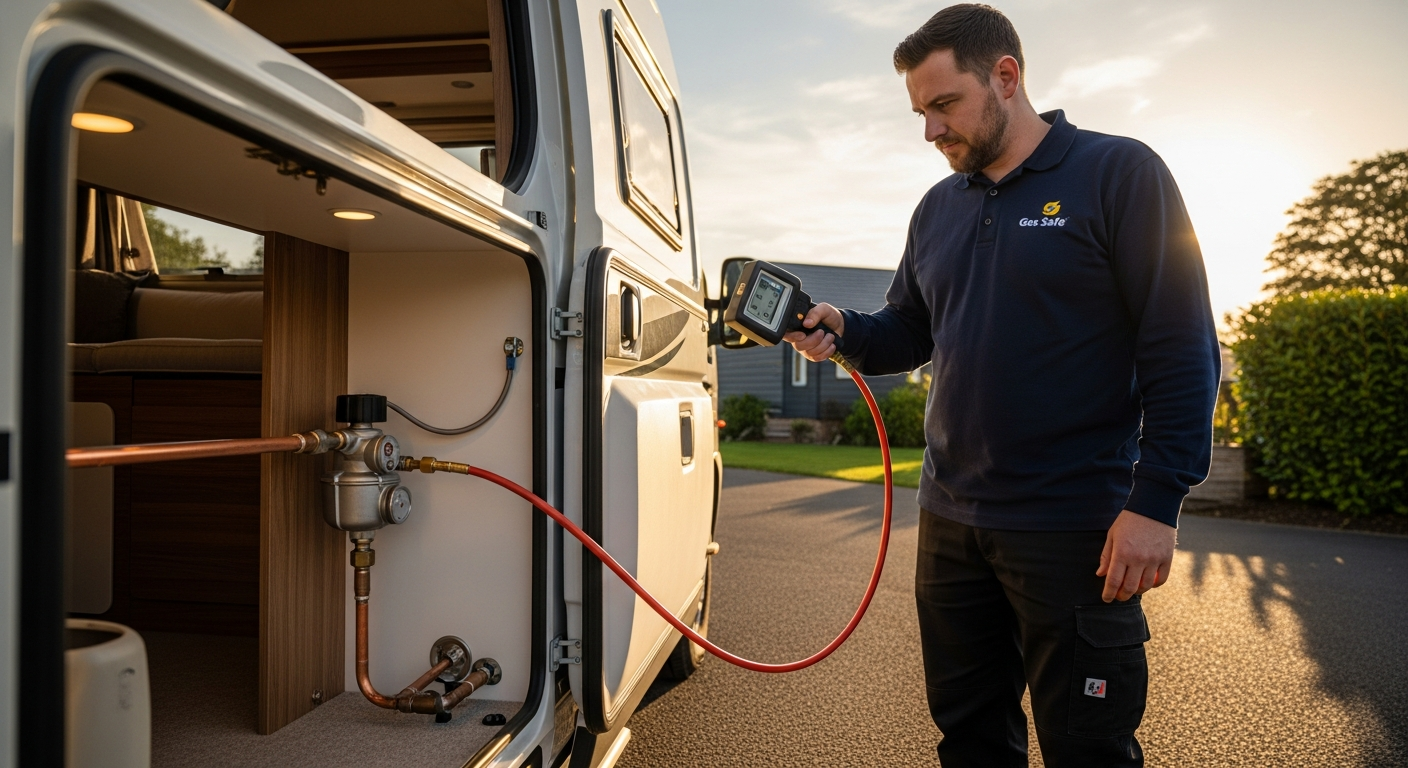
- ✓ Professionals use calibrated tools like manometers for gas pressure tests, ensuring a level of safety and accuracy beyond DIY capabilities.
- ✓ Choosing an Approved Workshop Scheme (AWS) check is crucial, as many insurers and manufacturers require it for warranty validation.
- ✓ Annual checks are vital for catching gas leaks or electrical faults, preventing catastrophic failures in a confined living space.
- ✓ The final report provides a legal record of safety, which is essential for resale value and sometimes required by campsites.
Why Choose Professional Campervan Habitation Checks?
A habitation check is not a vehicle MOT. It digs deeper into the living systems that make your conversion a home, and a professional inspection provides a level of detail a DIY check can never match. While you can spot a dripping tap, a qualified technician uses calibrated equipment to test for invisible gas leaks, check for carbon monoxide risks, and run diagnostics on your 12V and 240V electrical systems. They use specialized moisture meters to find developing damp inside wall panels long before it becomes visible, potentially saving you thousands in structural repair bills. This means catching small issues with the water heater or fridge before they fail mid-trip, ensuring your safety and the vehicle's long-term value.
Finding the right specialist involves asking specific questions. A good starting point is to ask if they are part of the Approved Workshop Scheme (AWS), which sets a high industry standard. You should also request a full checklist of what their service includes; it must cover gas, water, and electrical systems, a comprehensive damp report, and checks on all appliances and safety equipment like fire extinguishers. In practice, a thorough check takes between two and four hours and typically costs from £150 to £300, depending on the complexity of your build. A major red flag is any technician unwilling to provide a detailed, written report with damp readings and system pressures.
This is where a curated directory becomes essential. Instead of cold-calling random garages, CamperBrain allows you to filter specialists who focus on conversion vehicles and read their verified customer reviews. You can directly compare what each service includes, see their qualifications, and get a clear sense of their expertise before making contact. As a result, you can confidently book a technician who understands the unique systems in your build, from diesel heaters to complex solar setups, ensuring the job is done right the first time.
Find Campervan Habitation Checks Specialists by Location
North West England
Yorkshire and the Humber
West Midlands
South East England
East Midlands
Frequently Asked Questions
What is a campervan habitation check?
How much does a habitation check cost for a campervan?
How long does a campervan habitation check take?
Can I do my own campervan habitation check?
What vans need a habitation check?
What are the benefits of getting a habitation check?
How do I find a habitation check specialist?
What should I look for in a habitation check provider?
Related Articles
Related Services
Expert Insights
"Never treat the annual gas safety check as optional. A tiny, undetectable leak from a poorly fitted compression joint is a silent killer, making that £150 inspection an absolute necessity for any build."
"Moisture ingress will destroy a conversion from the inside out. The real value of a habitation check is the professional damp report, which finds hidden water with a calibrated meter before it causes £1,000+ in structural rot."
"Your battery's voltage reading says nothing about its safety. A proper 12V system inspection confirms correct fuse ratings and cable gauges, preventing the kind of electrical fire that often starts in an overloaded consumer unit."
"A documented service history is crucial for resale value. In practice, a buyer will pay 10-15% more for a vehicle with a full, stamped history of habitation checks, as it proves professional maintenance."
Ready to Get Started with Campervan Habitation Checks?
Get free, no-obligation quotes from verified specialists. Compare prices and reviews to find the perfect match for your project.
Get Free Quotes